
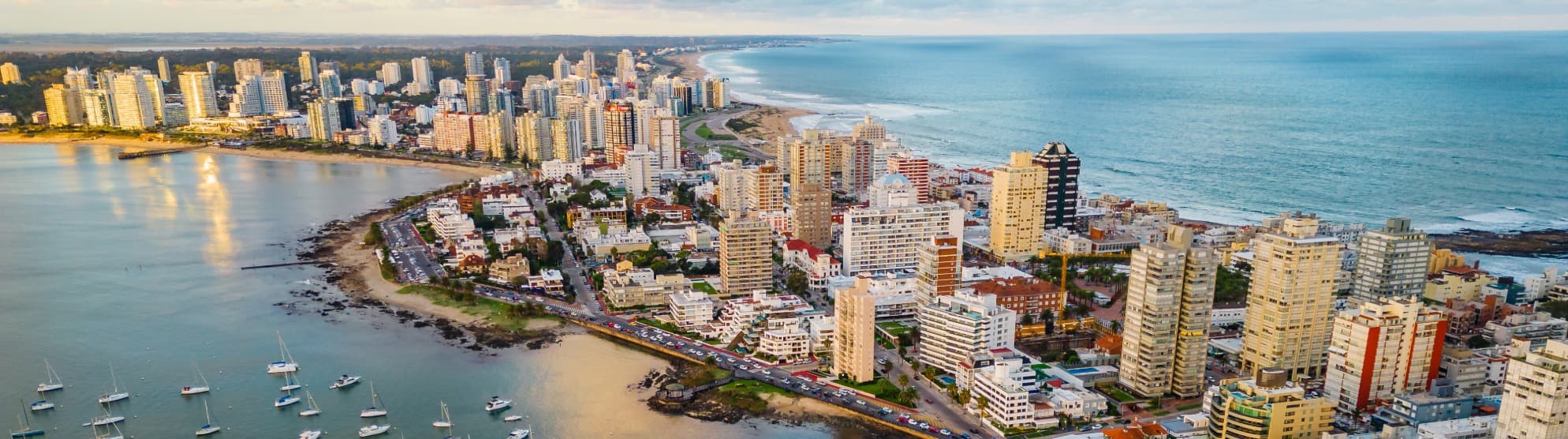
Emigrating to Uruguay
Visa, safety, costs, and climate in Uruguay: a reality check
Price Calculator
Price Calculator
A few steps to your personal price
Step 1 of 3
Don't know your moving volume? In the next step, simply describe your move in your own words — our AI estimates the volume for you.
- Route
- Size
- Contact
Where is your move going?
Enter the loading and unloading address — we calculate the route for your move.
Don't know your moving volume? In the next step, simply describe your move in your own words — our AI estimates the volume for you.
- Truck
- Container
- Plane
Non-binding and free — a survey only comes if you want one.
Emigrating to Uruguay: The most important answers first
✓ Visa-free entry: Entry without a visa is possible; registration is required for longer stays.
✓ Economically stable: The economy is smaller than in many other countries of emigration, but it is investor-friendly and well-digitized.
✓ Security situation generally stable: However, crime in Montevideo has increased noticeably in recent years.
✓ Nationally structured healthcare system: Good care in Montevideo; complex treatments sometimes require travel abroad.
✓ Climate: moderately warm: Distinct seasons; storms, floods, and summer wildfires are possible.
✓ Language skills: Spanish is the national language; Montevideo is considered the cultural center.
✓ Special feature: The world’s longest carnival, lasting more than 50 days.
✓ Moving with pets: Thorough preparation required
Make moving easy with DACHSER & KOLB. Use the moving cost calculator. Get a quote and consultation. Book a tour. Move.
Facts about Uruguay

Capital City
Montevideo

Population
3.42 million

Surface Area
109,494.96 mi² or 176,215 km²

Continent
South America

Official Language
Spanish

Currency
Uruguayan peso (UYU)

What are the customs, visa, and entry requirements for Uruguay?
For tourist stays, entry into Uruguay is permitted for up to 90 days without a visa. Those who wish to stay longer, work, or settle permanently must apply for temporary or permanent residency, depending on their purpose. For household goods, Uruguayan authorities require, among other things, a personal statement, a copy of your passport, an inventory list, proof of migration, and proof that residency has already been applied for.
Documents required for entry:
- Passport: Yes
- Temporary passport: Yes
- ID card: No
- Temporary ID card: No
- Child passport: Yes
Tip for expats: When moving to Uruguay, your residency plans should come first. If you enter the country as a tourist but intend to stay permanently, you should prepare your residency application, supporting documents, and household goods simultaneously from the very beginning.
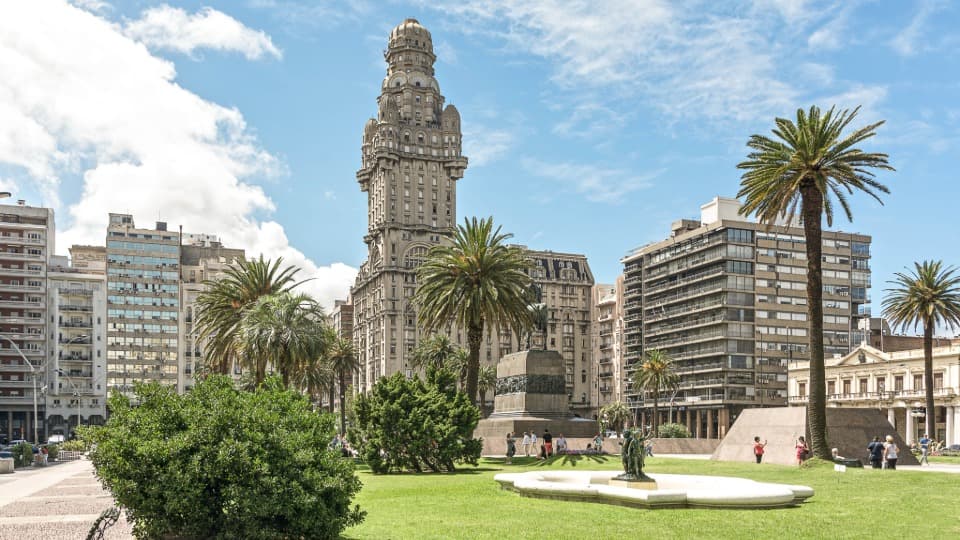
What is the economic situation and standard of living like in Uruguay?
Uruguay is economically smaller than many traditional emigration destinations, but it is stable, investor-friendly, and well-digitized. The country thus offers good living conditions, solid infrastructure, and predictable business conditions, but it is not a low-cost location—especially in Montevideo, along the coast, and in sought-after urban areas.
Key facts at a glance:
- Growth: Average GDP growth of 2–3% per year (2012–2025).
- Income distribution: Gini coefficient = 40.0 (0 = perfect equality; 100 = maximum inequality)
- Opportunities in services, IT, logistics, energy, and healthcare
- Good living conditions, but not a low-budget destination
Tip for expats: Uruguay is economically attractive, but not a bargain in terms of cost of living. Anyone moving to Montevideo, Punta del Este, or the coast should realistically factor in rent, daily living expenses, private healthcare, and transportation costs.
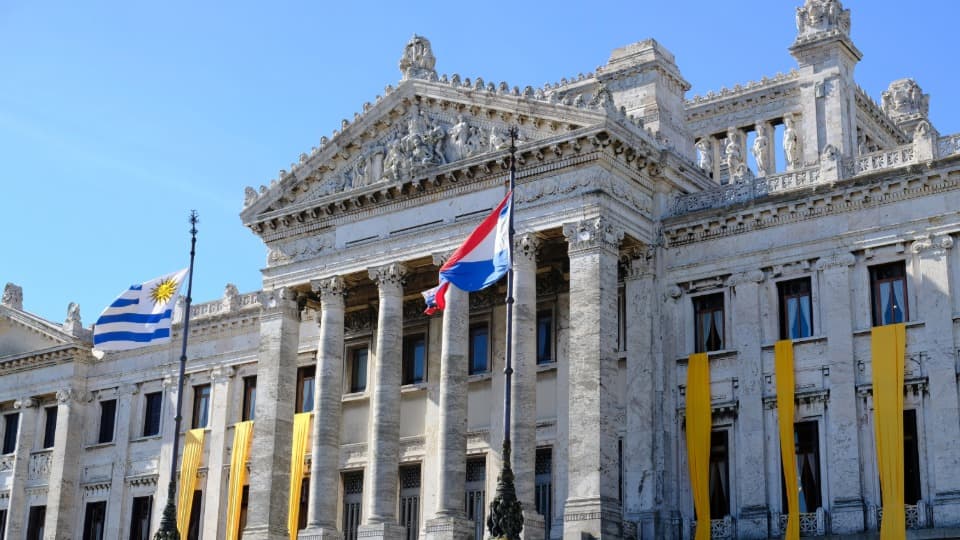
How safe is Uruguay for expats?
Uruguay is institutionally stable, but safety should not be romanticized. Crime in Montevideo has increased noticeably, with a focus on robbery and theft, some of which involve the use of firearms. Certain areas of the Old Town and downtown, as well as some nightlife districts in Montevideo, are particularly high-risk.
What expats should know:
- Crime in Montevideo has recently risen
- Focus on robbery and theft
- Partly increasing use of firearms
- Old Town and downtown are more sensitive
- Good residential area remains important
- Be more cautious at night and in outlying areas
Tip for expats: Uruguay is not a high-risk country, but safety is a local issue. Especially in Montevideo, the combination of residential area, routes, and daily routine strongly determines one’s actual sense of safety.

What is the healthcare system like in Uruguay?
Uruguay has a well-structured national healthcare system known as the Sistema Nacional Integrado de Salud (SNIS). High-quality medical care is not available in all parts of the country outside of Montevideo. In some cases, complex medical cases are even transferred to neighboring countries. For expats, access to the healthcare system, insurance coverage, and choice of location are therefore crucial.
Healthcare at a glance:
- SNIS as the central healthcare system
- public and private providers
- FONASA as a key funding component
- Good care, especially in Montevideo
- Complex cases sometimes treated outside the country
- Supplementary and evacuation insurance recommended
Tip for expats: Uruguay has a good healthcare system, but the level of care varies by region. Anyone planning to live outside Montevideo should factor in medical accessibility and private supplementary coverage from the outset.
Are you planning to move to Uruguay?
With structured preparation, you can avoid financial surprises. Our moving cost calculator provides clarity — it's simple, convenient, and takes just a few steps.

What is the climate like in Uruguay?
Uruguay has a temperate, warm, and humid climate with four distinct seasons and an annual average temperature of around 17 °C. During the summer months, the country can experience droughts, floods, severe storms, and bush and forest fires. For expats, the climate is generally predictable, but not as “mild and uneventful” as it is often portrayed.
What the climate means for your daily life:
- moderately warm, humid climate
- four distinct seasons
- Warm summers, significantly cooler winters
- Precipitation relatively evenly distributed
- The north is usually warmer than the south
- Storms, floods, and summer fires are possible
Tip for expats: Uruguay has a pleasant climate, but it should not be underestimated. Your place of residence, building design, and infrastructure should also be evaluated with regard to wind, humidity, and seasonal weather extremes.
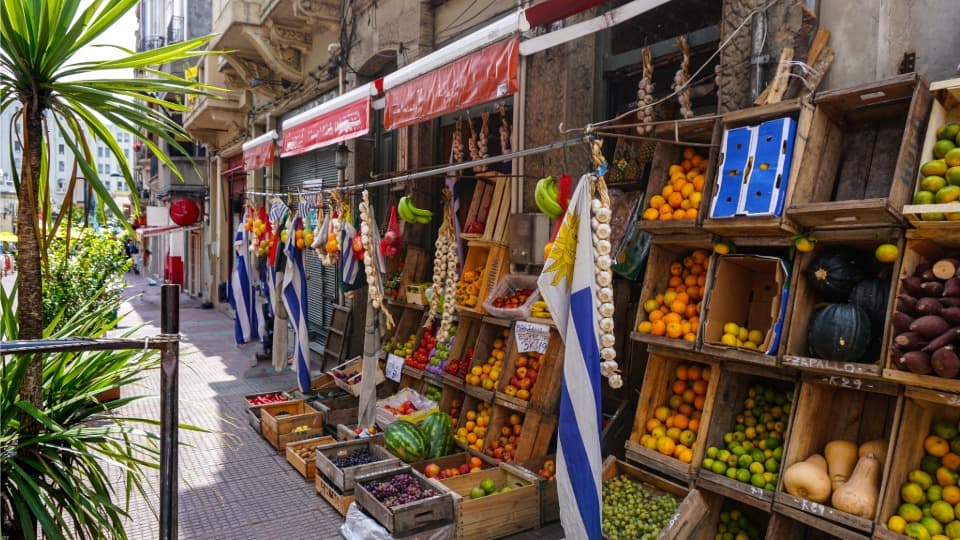
What shapes the language, culture, and daily life in Uruguay?
In everyday life in Uruguay, there’s no getting around Spanish—it’s the official language. At the same time, Uruguay’s culture is deeply shaped by mate, asado, soccer, murga, and candombe. The country often seems orderly, urban, and relaxed in daily life, but anyone looking to settle in long-term shouldn’t rely solely on the expat bubble.
What really helps in everyday life:
- Spanish is clearly the language of daily life
- Mate is a visible part of daily life
- Asado and soccer shape social routines
- Candombe and Murga are deeply rooted in the culture
- Montevideo is the country’s cultural center
- Social integration happens through language and everyday practice
Tip for expats: English gets you by in certain situations, but Spanish is what really helps you settle in. Those who take language and everyday culture seriously build lasting relationships in Uruguay much faster.
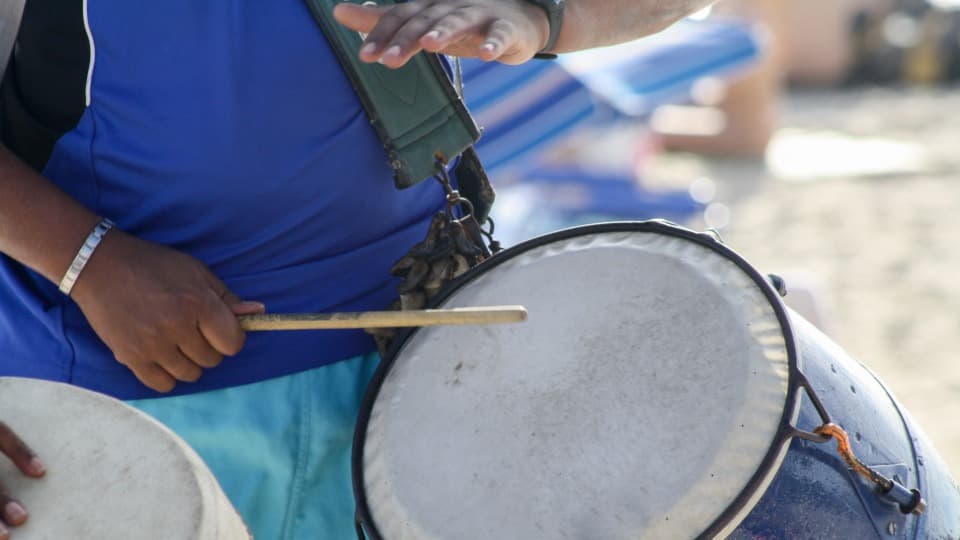
What makes Uruguay a unique destination?
Uruguay stands out not only for its stability and quality of life, but also culturally. The Uruguayan Carnival is considered the longest in the world, lasting more than 50 days. Particularly distinctive is the candombe, whose drumming tradition and social space are internationally recognized as cultural heritage. It is precisely this blend of laid-back coastal culture, Montevideo, music, and everyday life that makes Uruguay special.
In detail:
- Longest carnival in the world
- More than 50 days of carnival season
- Candombe as a defining cultural form
- Over 2,000 drums at the Llamadas
- Montevideo as the cultural heart
- short distances, rich cultural density
Tip for expats: Uruguay doesn’t score points for volume, but for identity. Anyone looking for a country with a strong everyday culture, the sea, music, and comparatively clear structures will find an unusually well-rounded package here.

What should you bear in mind when moving to Uruguay with animals?
Moving to Uruguay with animals requires more preparation than many people expect. In addition to transportation, veterinary certificates, deadlines, vaccinations, and animal welfare must be carefully coordinated.
What you should keep in mind:
- Check vaccination status early on, rabies vaccination required
- Prepare all veterinary documents
- Train your pet to use the transport crate before the flight
- Coordinate entry and flight requirements
- Minimize stress for the animal on moving day
- Actively support the animal in settling into its new home
- Dogs: Additional parasite testing is important
Tip for expats: When moving pets to Uruguay, the country itself isn’t the problem – it’s the accuracy of the documentation. If you coordinate vaccination status, certificates, and deadlines early on, you’ll have the process well under control.

Who is Uruguay a good destination for as a place to emigrate?
Uruguay is particularly well-suited for people seeking stability, a manageable size, proximity to the coast, and a relatively predictable daily routine. As such, the country is especially well-suited for retirees, self-employed individuals, remote workers, and families. Uruguay is less suitable for low-budget emigration without language training or for people expecting an extremely dynamic, big-city environment.
Checklist before moving to Uruguay:
✓ Check entry requirements and residency regulations for Uruguay
✓ Secure health insurance and medical care in Uruguay in a timely manner
✓ Determine a suitable place to live in Uruguay and arrange initial housing
✓ Plan a relocation budget for Uruguay, including a buffer
✓ Prepare thoroughly for the move to Uruguay with household goods, documents, and residency paperwork
✓ Build up Spanish language skills to make daily life in Uruguay easier
Conclusion: Uruguay stands out for its stability, laid-back coastal culture, and high quality of life compared to other South American countries. The country is particularly attractive to people seeking reliability, the ocean, well-organized structures, and a quieter lifestyle.
FAQs for emigrating to Uruguay
Do I need a visa to move to Uruguay?+
German citizens do not need a visa for tourist stays of up to 90 days. However, anyone who wishes to live, work, or stay in Uruguay on a long-term basis needs a temporary or permanent residence permit.
How long can I stay in Uruguay without a visa?+
German citizens can generally enter the country without a visa for up to 90 days. Shortly before the visa expires, it is generally possible to apply for a one-time extension from the immigration authorities.
Is Uruguay a good country to emigrate to?+
Uruguay is considered politically and institutionally stable and offers a relatively predictable environment. The country is particularly appealing to people who are looking for well-organized structures and a more peaceful daily life.
Is Uruguay expensive?+
Uruguay is not a typical low-cost destination for expats. Especially in Montevideo and in popular coastal areas, housing and living expenses should be calculated realistically.
How safe is Uruguay for expats?+
Uruguay is generally safe, but the U.S. Department of State notes an increase in crime in Montevideo, particularly robberies and thefts. The neighborhood you choose to live in therefore remains an important factor.
Do I need to speak Spanish in everyday life in Uruguay?+
Yes, Spanish is the everyday language in Uruguay. If you plan to stay for the long term, deal with government agencies, and build social connections, you’ll get much further with Spanish.
Can I move to Uruguay with my dog or cat?+
Yes, that is possible. Among other things, you will need an official veterinary certificate, a valid rabies vaccination, and, depending on the situation, additional veterinary documentation. For initial vaccinations, there is a minimum waiting period before entry.
Are you interested in moving to Uruguay or another destination country?
Then do not hesitate and contact us today.

Related topics

Relocation Service for Individuals
With our relocation service for private individuals, DACHSER & KOLB ensures a relaxed new start abroad and accompanies you throughout your private move from start to finish – personally, reliably, and worry-free.

Relocation Service for Expats
Support for international professionals during onboarding at the new destination. We assist your expats with home search, administrative procedures, and visa processes for a fully secure and smooth “soft landing”.

International Move
Have you been bitten by the travel bug and would like to emigrate? Then you have come to the right place and your belongings are in the best of hands. For many years there has been nothing we would rather do than organize international removals across continents. Whether by ship, by plane or over land.