
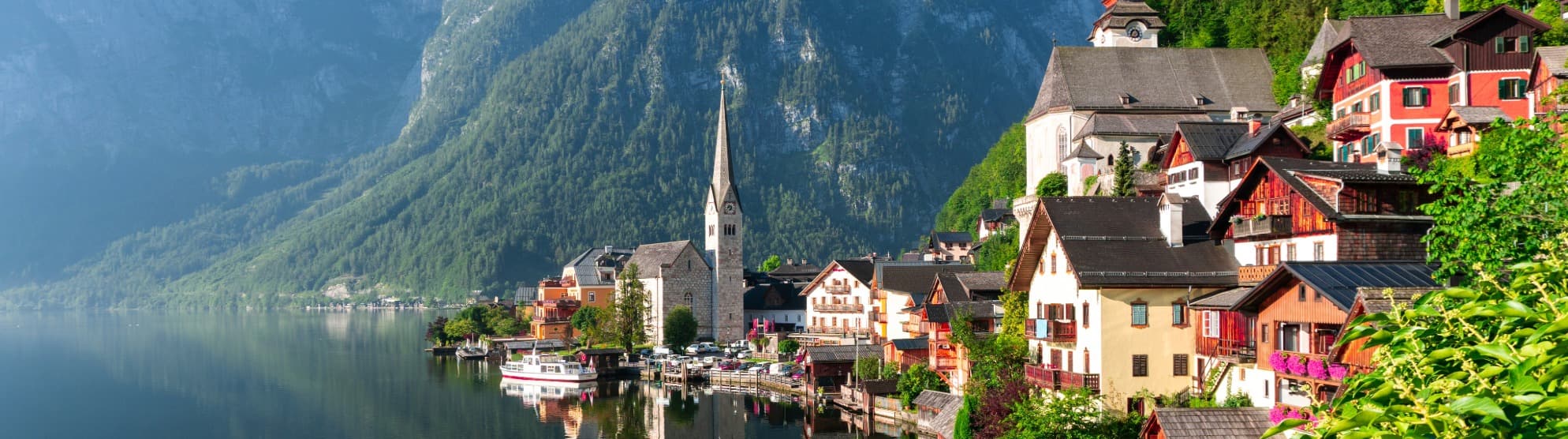
Emigrating to Switzerland
Visa, safety, costs, and climate in Switzerland: a reality check
Price Calculator
Don't know your moving volume? In the next step, simply describe your move in your own words — our AI estimates the volume for you.
- Route
- Size
- Contact
Where is your move going?
Enter the loading and unloading address — we calculate the route for your move.
Don't know your moving volume? In the next step, simply describe your move in your own words — our AI estimates the volume for you.
- Truck
- Container
- Plane
Non-binding and free — a survey only comes if you want one.
Emigrating to Switzerland: The most important answers first
✓ Visa-free entry: Entry without a visa is possible; longer stays require registration and authorization.
✓ Very strong economy: Opportunities primarily in services, pharmaceuticals, finance, and industry.
✓ Very stable security situation: Low crime rate, but be aware of natural hazards in Alpine regions.
✓ High-quality healthcare system: Basic insurance is mandatory; supplemental coverage is advisable depending on your needs.
✓ Diverse regional climate: The Alps, the Swiss Plateau, and Ticino offer noticeably different conditions.
✓ Language skills: Daily life is characterized by German, French, Italian, or Romansh, depending on the region.
✓ Unique features: The Alps, direct democracy, and four distinct language regions make Switzerland unique.
✓ Moving with pets: Thorough preparation, microchipping, and rabies vaccination are essential.
Make moving abroad easy with DACHSER & KOLB. Use the moving cost calculator. Get a quote and consultation. Book a tour. Move.
Facts about Switzerland

Capital City
Bern

Population
8.70 million

Surface Area
25,653.31 mi² or 41,285 km²
Continent
Europe

Official Language
Romansh, French, German, Italian

Currency
Swiss Frank (CHF)
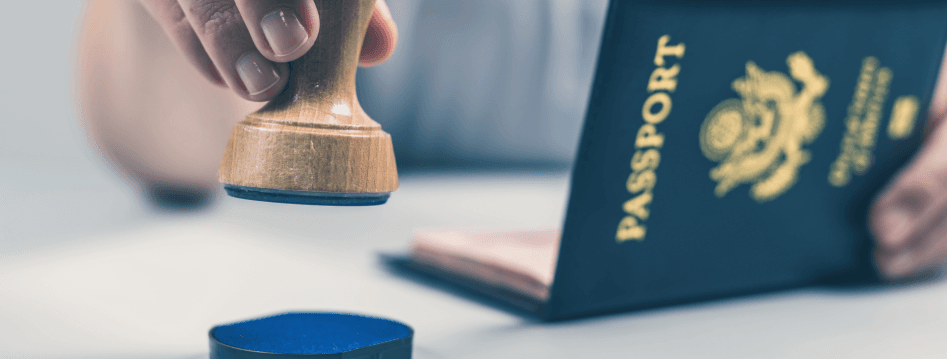
What are the customs, visa, and entry requirements for Switzerland?
Entry into Switzerland is straightforward for German nationals. However, when it comes to actual emigration, it is not tourist entry that matters, but the correct residency status: Different rules apply to EU/EFTA citizens than to many third-country nationals, and registration and permit requirements apply in cases of employment, self-employment, or extended stays.
Documents required for entry:
- Passport: Yes
- Temporary passport: Yes
- ID card: Yes
- Temporary ID card: Yes, within its validity period; see notes.
- Child’s passport: Yes
Tip for expats: When moving to Switzerland, clarify the residency and registration requirements first, then plan your move. If you prepare your employment contract, municipal registration, and household documents simultaneously, you’ll get off to a much smoother start.
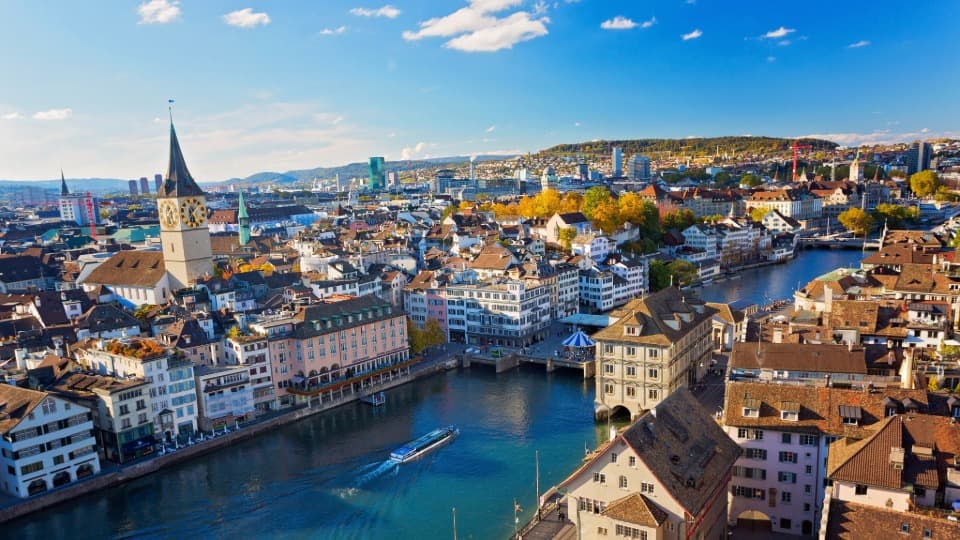
Economy in Switzerland: What opportunities are there for expats?
Economically, Switzerland is one of the strongest countries in Europe. At the same time, the cost of living remains very high by European standards, which means that while good incomes offer real opportunities, everyday life is also correspondingly expensive.
Key facts at a glance:
- Very high economic growth, averaging 6–7% GDP growth per year (1980–2024).
- Income distribution: Gini coefficient = 33.8 (0 = perfect equality; 100 = maximum inequality)
- Strong service sector, plus finance, pharmaceuticals, tourism, and industry
- Internationally oriented economy with high productivity
- Very high purchasing power, but also very high cost of living
- Housing costs and rents are a key factor in many metropolitan areas
- Good opportunities, especially in urban centers and specialized industries
- Living conditions vary noticeably depending on the canton and city
Tip for expats: Switzerland is economically attractive, but not a low-budget destination. Anyone moving to Zurich, Geneva, or Zug should realistically calculate rent, health insurance, transportation, and childcare costs and plan for a sufficient financial buffer.
Safety in Switzerland: What do expats need to know?
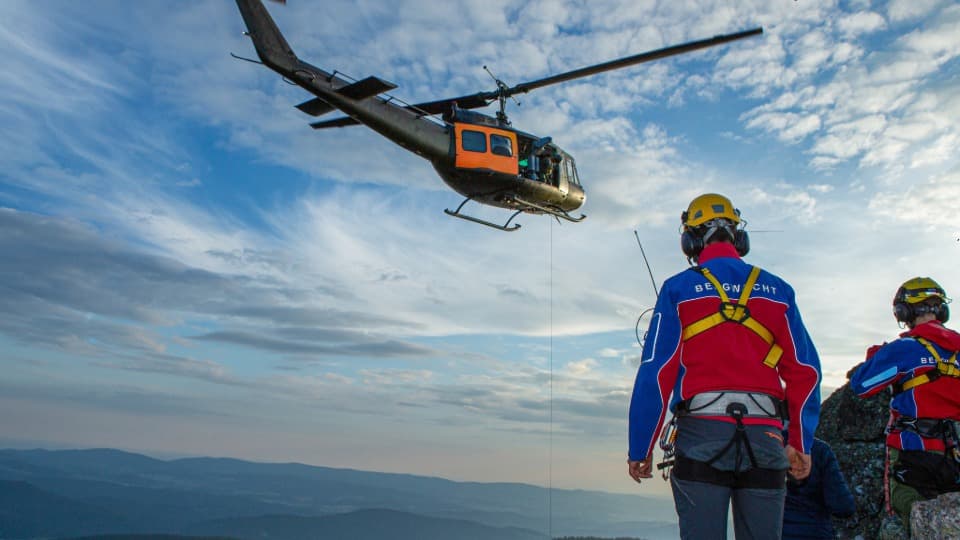
Switzerland is generally considered a very safe country. More relevant to daily life than traditional violent crime are petty thefts in crowded areas, as well as natural hazards in the Alps such as avalanches, rockfalls, heavy rain, and sudden changes in weather.
What expats should know:
- Crime rate overall low
- Pickpocketing especially at train stations, on trains, and in crowded areas
- Weather in the mountains can change quickly
- Avalanches, landslides, and heavy rain are regional concerns
- Alpine regions require greater risk awareness than cities
Tip for expats: In Switzerland, safety is often a matter of location. Those who live in mountainous regions or spend a lot of time in nature should consistently keep weather, slope conditions, and seasonal risks in mind in their daily lives.

What is the healthcare system like in Switzerland?
The healthcare system in Switzerland is efficient but expensive. Anyone moving to Switzerland must obtain health insurance within three months. Basic coverage is mandatory, while supplemental coverage is optional. For expats, it is important to note that high-quality care comes with high premiums, deductibles, and regional variations in costs.
At a glance:
- Health insurance is mandatory for residents of Switzerland.
- Coverage must be obtained within three months of taking up residence.
- Free choice of health insurer within the system
- Premiums and deductibles are a significant cost factor in daily life
- Healthcare is very good overall, but not cheap
Tip for expats: Don’t wait until the last minute to sort out your Swiss health insurance. Comparing premiums, deductibles, your canton of residence, and potential supplemental coverage early on will save you money later.
Are you planning to move to Switzerland?
With structured preparation, you can avoid financial surprises. Our moving cost calculator provides clarity — it's simple, convenient, and takes just a few steps.
Moderate or alpine – what is the climate like in Switzerland?
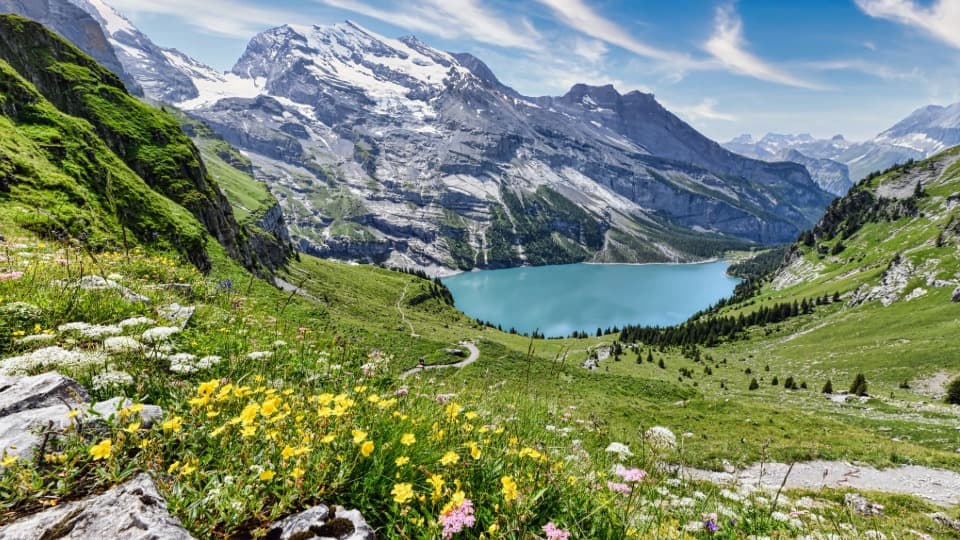
The climate in Switzerland is much more diverse than many people initially think. The Alps, lakes, valleys, and linguistic regions result in significant differences between the north and south, between high-altitude areas and the lowlands, and between the inner-Alpine valleys and the major cities of the Swiss Plateau.
What the climate means for your daily life:
- Overall, the climate is temperate to alpine
- The north and the Swiss Plateau are often cooler and wetter than Ticino
- Föhn is a typical weather phenomenon in the Alpine regions
- Winter sports regions and high-altitude areas have significantly different conditions than cities on the lake
- Extreme weather with heavy rain, heat, and less snow is becoming more common
Tip for expats: When choosing a place to live in Switzerland, always consider the climate. Zurich, Lugano, Zermatt, and Geneva offer completely different conditions for daily life, mobility, and leisure.
Diversity in Switzerland? – Language, culture, and everyday life
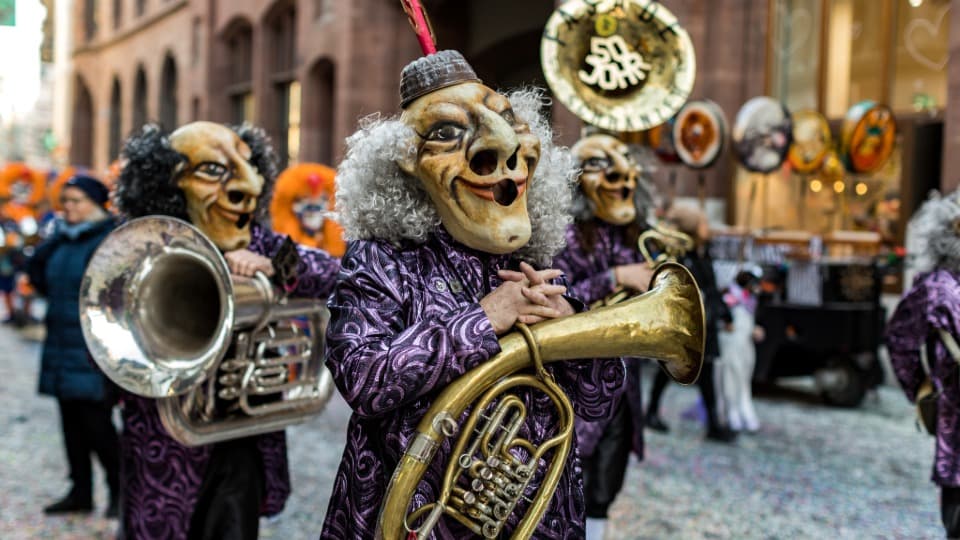
Switzerland is more linguistically and culturally diverse than it often appears from the outside. With four official languages, strong cantonal identities, and regional differences in everyday life, the country is highly organized but by no means homogeneous. Local festivals and a rich culture of enjoyment also play a major role. Clubs, neighborhood life, and regional identity are highly valued as well.
What really helps in everyday life:
- Four official national languages: German, French, Italian, and Romansh
- German is the most widely spoken, often as Swiss German in everyday life
- Language and region significantly influence administration, culture, and social norms
- Punctuality, reliability, and reserve characterize daily life in many places
- Integration is largely driven by language and local customs
- local festivals and traditions are important
Tip for expats: In Switzerland, simply “knowing German” is often not quite enough. Those who take the respective language region seriously and understand regional customs will find it much easier to integrate socially and professionally.
What makes Switzerland so special as a destination for emigrants?
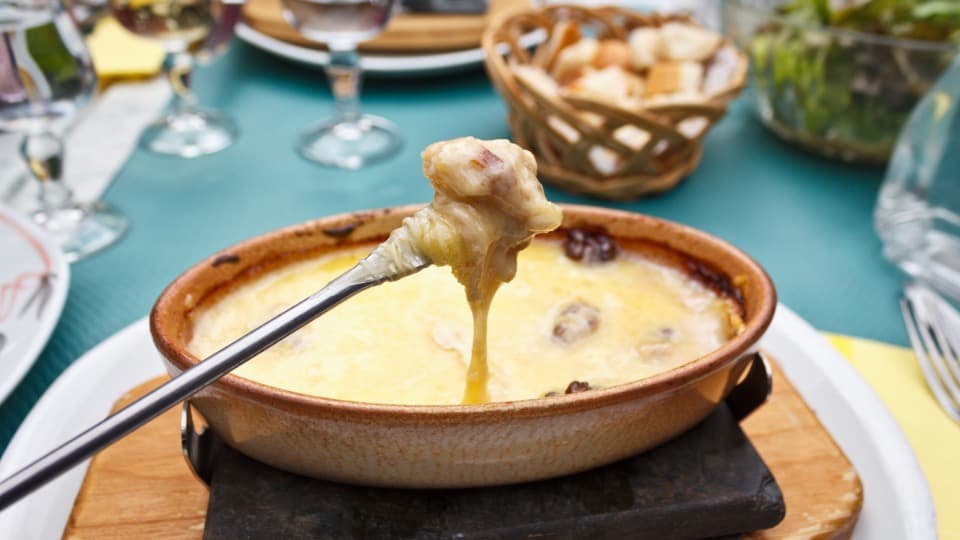
Switzerland is distinguished not only by the Alps, direct democracy, and four linguistic regions, but also by its strong regional culture. Local customs, traditional festivals, and world-renowned products such as Swiss cheese and chocolate make the country a unique experience even in everyday life.
In detail:
- direct democracy is a defining feature of the political system
- Cantons and municipalities enjoy a high degree of autonomy
- four languages shape everyday life and identity
- the Alps have a massive impact on the landscape, leisure activities, and climate
- deep historical culture and modern infrastructure coexist closely
- Cheese and chocolate as part of everyday identity
Tip for expats: If you really want to settle in Switzerland, you should not only understand the language of the region but also actively experience local festivals, markets, and traditions. It is often through these that the first genuine connections in everyday life are formed.
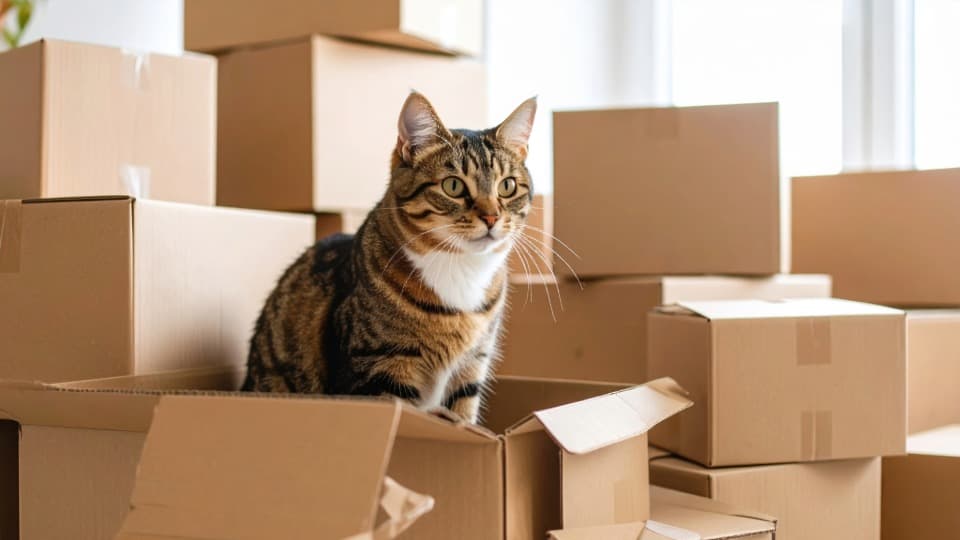
What should you bear in mind when moving to Switzerland with animals?
Moving with pets to Switzerland requires more advance planning than many people expect. In addition to transportation, veterinary documentation, deadlines, vaccinations, and animal welfare must be carefully coordinated. Of particular importance are the microchip, pet passport, valid rabies vaccination, and the specific entry requirements.
What you should keep in mind:
- Check vaccination status well in advance; rabies vaccination is mandatory
- Prepare complete veterinary documentation
- Get the pet carrier used to it before the flight
- Coordinate entry and flight requirements
- Minimize stress for the pet on moving day
- Actively support the pet’s adjustment to the new home
- A microchip is a key component of entry requirements
- When traveling from the EU, a correctly completed pet passport is generally required
Tip for expats: Care is essential when moving a pet to Switzerland. Checking vaccination status, microchip, passport, and country-of-origin regulations thoroughly before transport helps avoid stress at the border.
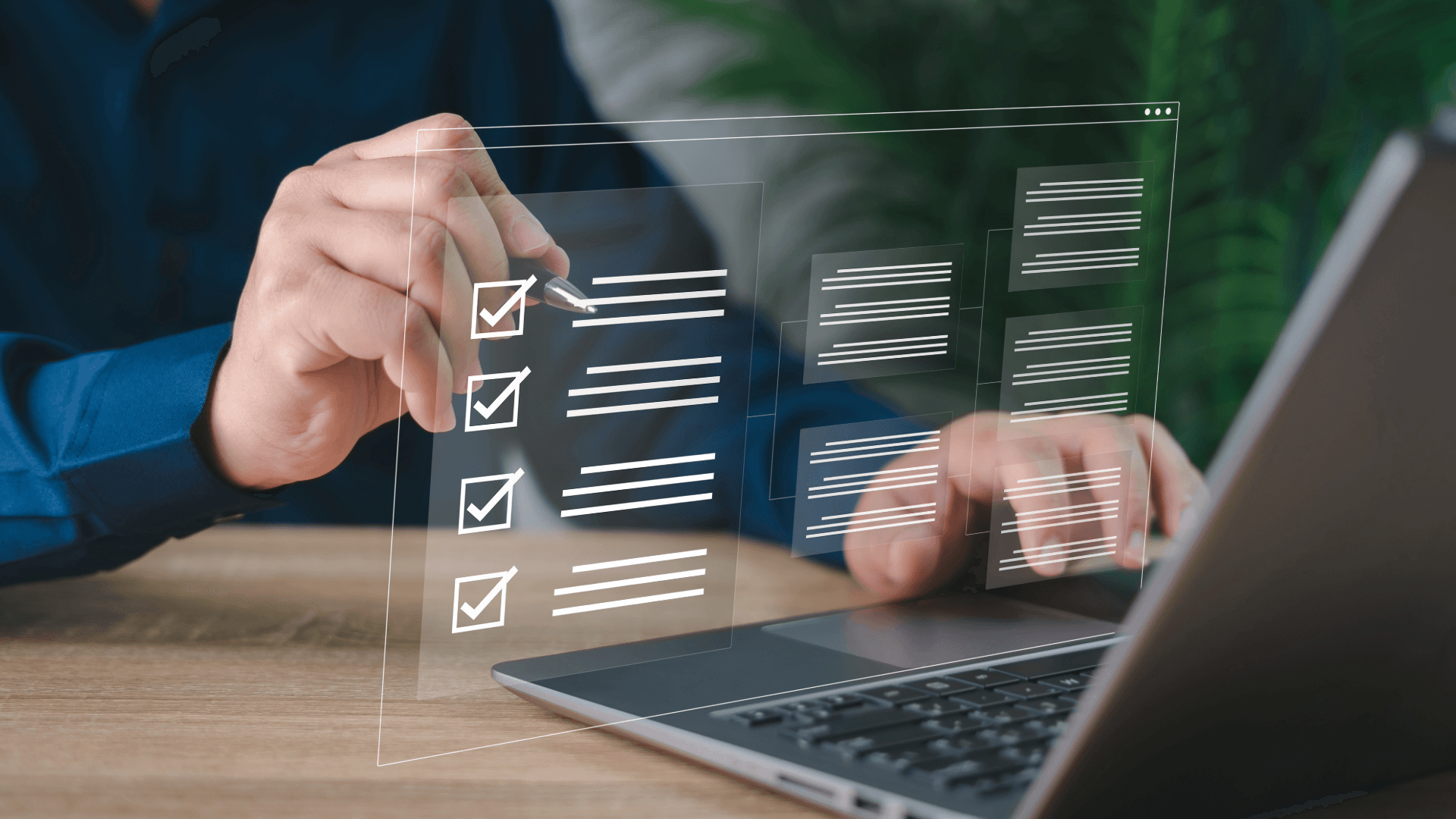
For whom is Switzerland a suitable destination for emigration?
Switzerland is particularly well-suited for people seeking stability, reliability, and a high quality of life – and who are willing to accept higher living costs in exchange. The country is especially suitable for skilled professionals, cross-border commuters considering a move, well-organized families, and expats who value a structured environment.
Checklist before moving to Switzerland:
✓ Check entry requirements and residency regulations for Switzerland
✓ Secure health insurance and medical care in Switzerland
✓ Determine a suitable place to live in Switzerland and arrange initial housing
✓ Plan a relocation budget for Switzerland, including a buffer
✓ Prepare thoroughly for the move to Switzerland, including household goods and documents
✓ Use English and make daily life easier with a little Greek
Conclusion: Switzerland impresses with its reliability, strong infrastructure, and an exceptionally high quality of life. The country is particularly attractive to people seeking stability, security, and a well-organized environment – and who are willing to accept higher living costs as a result.
FAQs for emigrating to Switzerland
Do I need a visa to move to Switzerland?+
German citizens may enter Switzerland without a visa. However, those who plan to stay longer or work in Switzerland must register and, depending on the length of their stay, apply for a residence permit.
How long can I stay in Switzerland without registering?+
EU/EFTA citizens may generally stay in Switzerland for up to three months without a permit if they are not working. Those who work or stay longer must comply with the applicable registration and permit requirements.
Do I need to register after entering Switzerland?+
Yes. EU/EFTA citizens must register with their municipality of residence no later than 14 days after entering the country; if they are employed, they must also register before starting work.
Is Switzerland an expensive place to move to?+
Yes, Switzerland is one of the countries with a very high cost of living. Rent, health insurance, and day-to-day living expenses, in particular, should therefore be factored into your budget early on and in a realistic manner.
How does health insurance work in Switzerland?+
Anyone living in Switzerland must take out health insurance within three months. Basic coverage is mandatory; supplemental insurance can be added as needed.
Can I import my household goods into Switzerland duty-free?+
Yes, this is generally possible when relocating your residence. One of the requirements is that the items brought in must have been used personally for at least six months prior to the move and must continue to be used.
Can I move to Switzerland with my dog or cat?+
Yes, moving to Switzerland with a dog or cat is generally quite feasible. It is particularly important to have a microchip, a pet passport or the appropriate entry documents, and a valid rabies vaccination. Additional requirements may apply for pets coming from certain third countries.
Are you interested in moving to Switzerland or another destination country?
Then do not hesitate and contact us today.

Related topics
Relocation Service for Individuals
With our relocation service for private individuals, DACHSER & KOLB ensures a relaxed new start abroad and accompanies you throughout your private move from start to finish – personally, reliably, and worry-free.

Relocation Service for Expats
Support for international professionals during onboarding at the new destination. We assist your expats with home search, administrative procedures, and visa processes for a fully secure and smooth “soft landing”.
International Move
Have you been bitten by the travel bug and would like to emigrate? Then you have come to the right place and your belongings are in the best of hands. For many years there has been nothing we would rather do than organize international removals across continents. Whether by ship, by plane or over land.