
Emigrating to the Netherlands
Visa, safety, cost of living & climate in the Netherlands — a reality check
Price Calculator
Price Calculator
A few steps to your personal price
Step 1 of 3
Don't know your moving volume? In the next step, simply describe your move in your own words — our AI estimates the volume for you.
- Route
- Size
- Contact
Where is your move going?
Enter the loading and unloading address — we calculate the route for your move.
Don't know your moving volume? In the next step, simply describe your move in your own words — our AI estimates the volume for you.
- Truck
- Container
- Plane
Non-binding and free — a survey only comes if you want one.
Moving to the Netherlands: The most important answers first
✓ Visa-free entry: a valid national ID card or passport is sufficient; for a permanent move, registration with the local municipality is required.
✓ Economically strong: an international and efficient location with solid growth.
✓ Overall good safety situation: petty crime occurs mainly in major cities and in heavily frequented areas.
✓ Well-organised healthcare system: basic insurance is mandatory, and access requirements and deadlines must be clarified properly.
✓ Maritime climate: mild winters and rather cool summers, with changeable weather and frequent rain throughout the year.
✓ Language skills: Dutch is key for long-term integration, while English is generally sufficient for everyday life.
✓ Special feature: a combination of high quality of life, cycling culture, short distances, and water management expertise.
✓ Moving with pets: Generally very manageable within the EU, but certain requirements must be observed.
Relocating made easy with DACHSER & KOLB. Use our moving cost calculator. Receive a quote and consultation. Book a tour. Move.
Facts about the Netherlands

Capital City
Amsterdam

Population
18.13 million

Surface Area
41,850 km²
Continent
Europe

Official Language
Dutch

Currency
Euro (EUR)
What are the customs, visa, and entry requirements for the Netherlands?
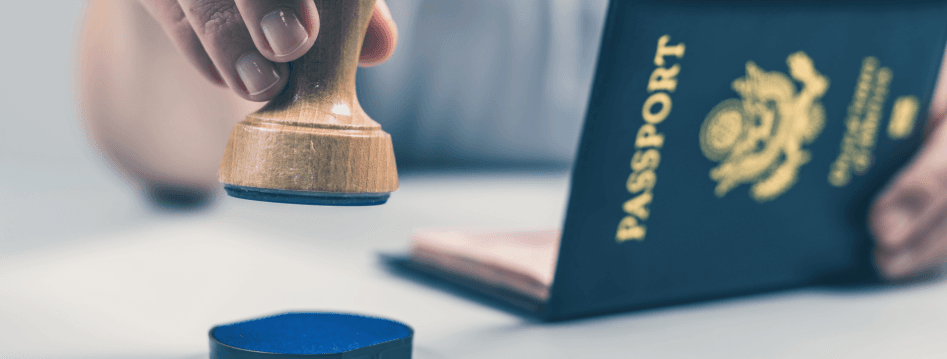
For German nationals, moving to the Netherlands is comparatively straightforward. The Netherlands is a member of both the EU and the Schengen Area, so a valid national ID card or passport is sufficient for entry. However, anyone planning to move to the Netherlands permanently should prepare not only for entry itself, but also for municipal registration, the BSN process (the issuing of the personal Citizen Service Number), and the rules relating to household goods at an early stage and with proper care.
Documents required for entry:
- Passport: Yes
- Temporary passport: Yes
- National ID card: Yes
- Temporary national ID card: Yes, must be valid
- Child’s passport: Yes
Tip for expats: First clarify your residence status, registration, and BSN, then organise housing and household goods. Entry into the Netherlands is simple, but following the right operational sequence saves time and prevents friction with authorities, insurance providers, and the start of employment.
Are the Netherlands economically attractive and how high is the cost of living?
The Netherlands remain economically attractive, above all as a stable, international, and efficient location rather than a purely low-cost destination. The European Commission expects real GDP growth of 1.3% in 2026, driven mainly by private consumption, while the labour market is expected to remain tight despite slightly rising unemployment. What matters most for expats is this: the Netherlands offer strong opportunities in internationally oriented sectors, but the overall price level is high, especially when it comes to housing, services, and life in the major cities.
Key facts at a glance:
- Economy with solid GDP growth of 1.3%
- Income distribution: Gini coefficient = 25.7 (0 = perfect equality; 100 = maximum inequality)
- Key sectors: high tech, life sciences, agrifood, chemicals, and logistics
- The Randstad region with Amsterdam, Rotterdam, Utrecht, and The Hague is the main economic core area
- High cost of living, especially for housing in metropolitan areas
Tip for expats: The Netherlands are not a low-cost destination from an economic perspective. Anyone planning to move there should not only compare salary and rent, but also factor in health insurance, deposits, mobility, and the very different housing costs from one region to another.
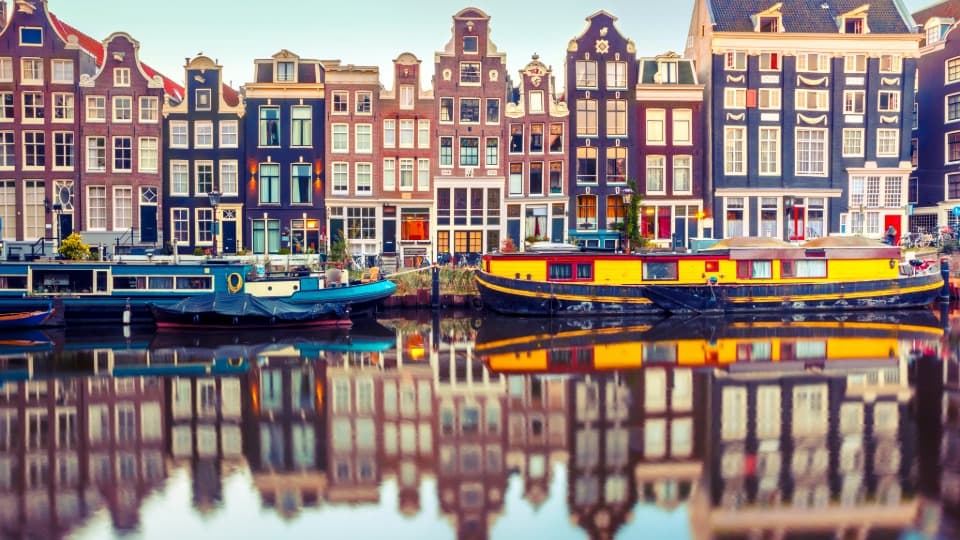
How safe is the Netherlands for expats?
The Netherlands is generally considered a safe destination for expats. In practical terms, the risk profile is less about serious violent crime and more about pickpocketing in major cities, scams in tourist areas, and the everyday challenges of a very dense traffic environment. In cities with heavy bicycle traffic and high public transport usage, staying alert is a real part of daily life.
What expats should know:
- Petty crime occurs mainly in large cities
- Extra caution is advisable at tourist hotspots, railway stations, and on public transport
- Scams can occur in Amsterdam
- Keep documents and valuables stored securely
- Dense traffic and a strong cycling culture shape daily mobility
- Parking and traffic regulations are enforced strictly
Tip for expats: In the Netherlands, safety is less a national issue than an everyday one. Anyone who plans their residential area, commute, cycling routes, parking, and the handling of valuables properly can significantly reduce operational risks.

What is the healthcare system like in the Netherlands?
The healthcare system in the Netherlands is well organised and high-performing, but it works differently from that in many other countries. Anyone who lives or works in the Netherlands is generally required to take out Dutch basic health insurance; there is a four-month deadline to do so, but coverage applies from the date of arrival or the start of employment. Basic insurance covers services such as the GP, hospital care, and medication.
Important before moving:
- Dutch basic health insurance is generally mandatory
- Deadline: insurance must be arranged within 4 months
- Coverage applies retroactively from the start date
- Registration with the municipality is necessary
- The GP is the main entry point into the system
- Supplementary insurance is optional
Tip for expats: In the Netherlands, the real risk is not the quality of healthcare, but organising access properly. Anyone who clarifies registration, BSN, health insurance, and their first medical points of contact early will have a much smoother start.
Are you planning to move to the Netherlands?
With structured preparation, you can avoid financial surprises. Our moving cost calculator provides clarity—it's simple, convenient, and takes just a few steps.
What is the climate like in the Netherlands?
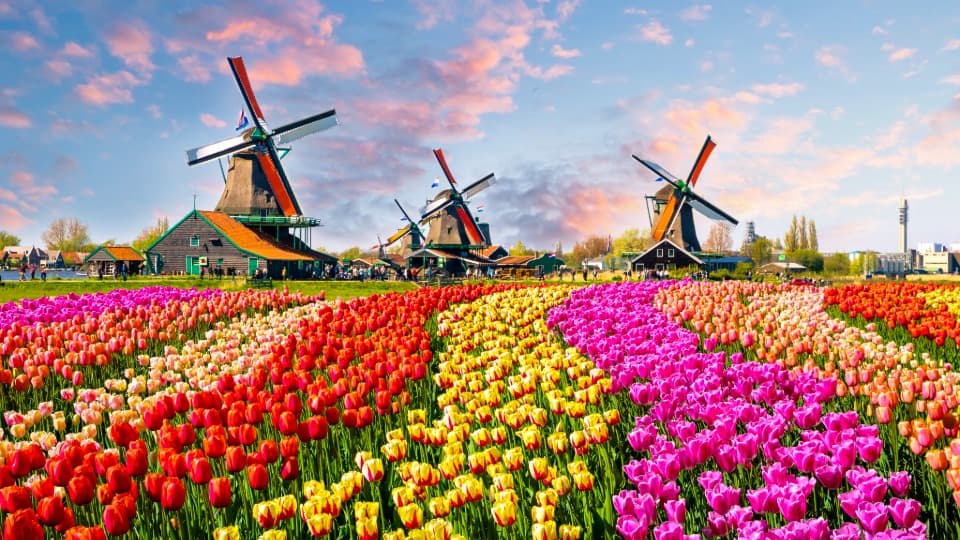
Anyone moving to the Netherlands will be living in a temperate maritime climate. Winters are generally mild, summers are usually cool to moderately warm, and rain is a realistic part of life all year round. On paper, the climate may not seem extreme, but in everyday life it is strongly shaped by wind, damp conditions, and frequent weather changes.
What this climate means for everyday life:
- Mild winters
- Rather cool summers
- Rain in every season
- Wind is a real everyday factor
- Weather changes often happen at short notice
- Functional clothing matters more than seasonal romanticism
Tip for expats: The Dutch climate is not dramatic, but it is operationally relevant. Anyone who does not think in weatherproof terms when it comes to mobility, clothing, cycling, and housing will quickly underestimate the impact of wind and rain on everyday life.
What shapes language, culture, and everyday life in the Netherlands?
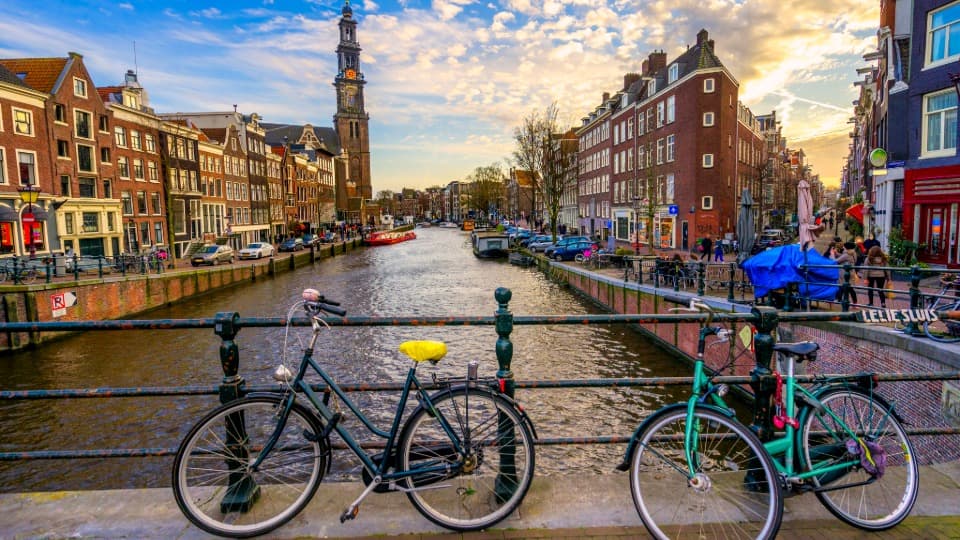
Anyone moving to the Netherlands should not see the country only as liberal and international. Besides language, everyday life is shaped above all by directness, independence, strong organisation, and a deeply rooted cycling and planning culture. Daily life is often efficient, punctual, and pragmatic, while openness, time spent in public spaces, and a good work-life balance also play an important role.
What really helps in everyday life:
- Dutch is a clear advantage in everyday life
- English works well in many situations
- Communication is usually direct and pragmatic
- Punctuality and self-organisation matter a great deal
- Cycling culture shapes mobility and daily routines
- Everyday life is often structured, efficient, and planning-oriented
Tip for expats: In the Netherlands, it is often possible to get by well with English in everyday life, but culture and daily routines are strongly shaped by personal responsibility, directness, and reliability. Anyone who understands this early and develops their language skills accordingly will usually settle in more quickly.
What makes the Netherlands particularly attractive as a destination for expats?
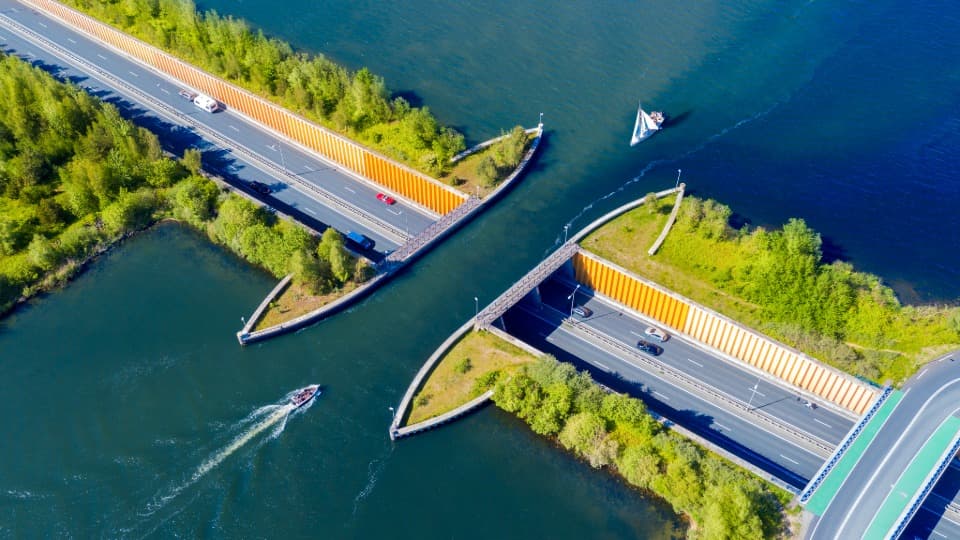
The Netherlands stands out as a destination for expats above all because of its combination of infrastructure, cycling culture, and water management expertise. The country is highly organised, distances are short, cycling is not leisure but everyday life, and water management is a central part of the national identity. It is exactly this combination of structure, everyday efficiency, and quality of life that makes the Netherlands distinctive.
In detail:
- Cycling culture as a genuine everyday model
- Very dense infrastructure
- High everyday efficiency
- Water management as a national core competence
- Short distances between home, work, and essential services
- A strong balance between urban life and everyday predictability
Tip for expats: The Netherlands does not work because of size, but because of system. Anyone who values short distances, clear processes, cycling-based mobility, and a strongly organised environment will find a very resilient relocation destination here.
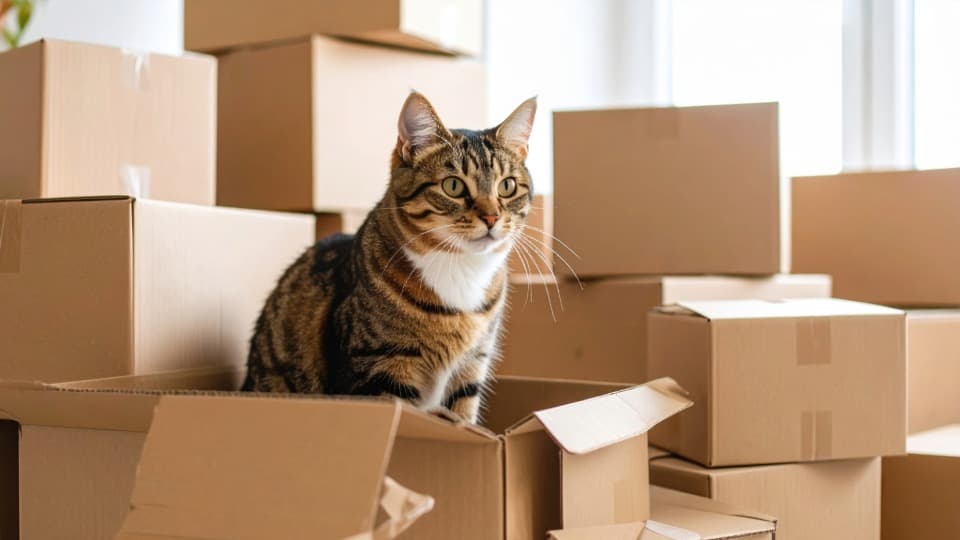
What should you bear in mind when moving to the Netherlands with pets?
Moving with pets to the Netherlands is generally very manageable within the EU, but it should be prepared properly and well in advance. Harmonised EU rules apply to dogs and cats: identification, an EU pet passport, and a valid rabies vaccination are mandatory. If you are entering from a non-EU country, additional certificates, health documents, and further requirements may apply depending on the country of origin.
What you should keep in mind:
- Arrange a veterinary health certificate
- Provide full proof of vaccination status
- Train your pet to use the travel crate before the flight
- Check airline and transit rules separately
- Minimise stress for the pet on moving day
- Actively support your pet’s adjustment to the new home
- Young animals under 15 weeks are not eligible for entry
- Microchip or a permitted older tattoo
Tip for expats: When moving with pets, success depends not on improvisation, but on timing. Starting early reduces stress, helps avoid formal errors, and ensures a much smoother process overall.
Who are the Netherlands best suited for as a emigration destination?
The Netherlands are particularly well suited to people who value structure, internationality, good infrastructure, and a high quality of life. The country is especially suitable for skilled professionals, commuters, expats in international sectors, families, and people who can cope with a high cost level and a well-organised, rather direct everyday culture. The Netherlands are less suitable for anyone expecting a low-cost relocation destination or significantly warmer weather. This assessment is based on residence logic, access to healthcare, the labour market, everyday culture, and the overall cost structure.
Checklist before moving to the Netherlands:
✓ Clarify visa, passport, and entry requirements
✓ Take out health insurance
✓ Plan your place of residence, housing, and transition phase
✓ Create a realistic budget, including a financial buffer
✓ Prepare your household goods and customs documents
✓ Focus on improving your Dutch language skills
Conclusion: The Netherlands are a strong destination for expats who genuinely want predictability, infrastructure, international connectivity, and a high quality of life — not just as an image, but as part of everyday life.
FAQs for emigrating to the Netherlands
Do I need a visa to move to the Netherlands?+
German nationals do not need a visa to enter the Netherlands. However, anyone planning to live there permanently should take care of registration, residence formalities, and the further administrative steps at an early stage.
What documents do I need to enter the Netherlands?+
A valid national ID card or passport is sufficient for entry into the Netherlands. If you are planning a permanent move, you should also make sure that all documents relating to registration, BSN, and the move itself are properly prepared.
Is the Netherlands a good country for expats?+
The Netherlands is particularly well suited to people who value good infrastructure, internationality, predictability, and a high quality of life. At the same time, high housing costs, a tightly structured everyday life, and a rather direct communication style should be assessed realistically.
How economically attractive is the Netherlands?+
The Netherlands is considered economically strong, internationally connected, and efficiently organised. Good opportunities exist above all in areas such as high tech, logistics, life sciences, chemicals, and agrifood.
How high is the cost of living in the Netherlands?+
The cost of living in the Netherlands is generally high. Housing, health insurance, mobility, and everyday life in metropolitan areas in particular can be significantly more expensive than in many other European countries.
Is the Netherlands a safe country to live in?+
Overall, the Netherlands is considered a safe country. As in many urban regions, petty crime, pickpocketing, and scams can occur, especially in major cities and tourist areas.
How good is the healthcare system in the Netherlands?+
The healthcare system in the Netherlands is well organised and high-performing. The key point is to arrange the mandatory basic health insurance in good time and to clarify access, deadlines, and your first points of contact properly.
Can you get by with English in the Netherlands, or should you speak Dutch?+
In everyday life, it is often possible to get by well with English in the Netherlands, especially in cities and in international work environments. For long-term integration, local networks, and better job opportunities, however, Dutch is a clear advantage.
What do I need to consider when moving to the Netherlands with a dog or cat?+
Moving to the Netherlands with pets is generally very manageable within the EU. The key requirements are a microchip, a valid rabies vaccination, and the correct veterinary documents.
Who is the Netherlands particularly suited to as a destination for expats?+
The Netherlands is particularly well suited to skilled professionals, families, commuters, and expats looking for a well-organised, international, and infrastructure-rich environment. It is less suitable for anyone expecting a low-cost relocation destination or significantly more peace, space, and quiet.
Are you interested in moving to the Netherlands or another destination country?
Then do not hesitate and contact us today.
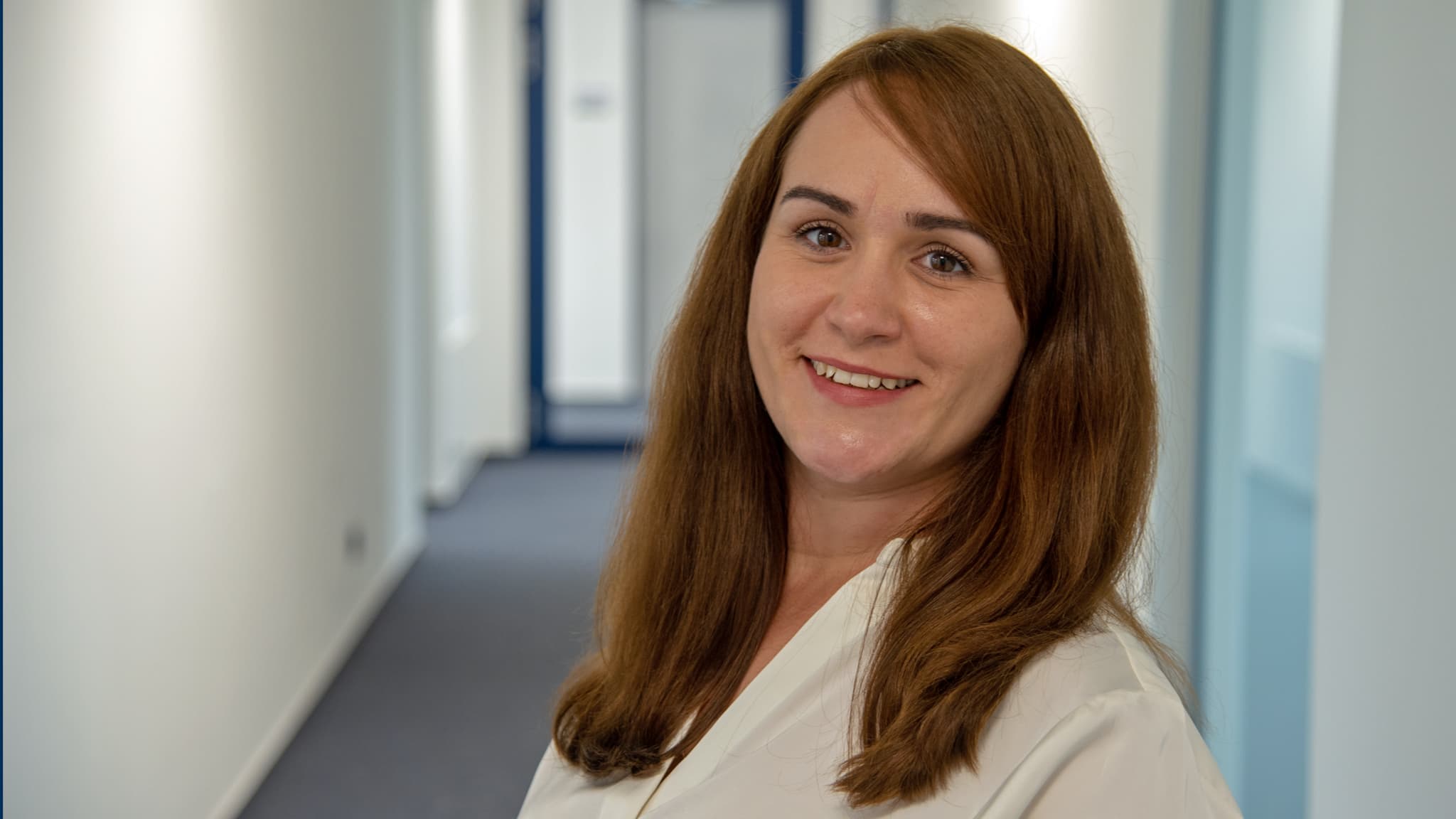
Donna Draganov
Teamlead Customer Service & Sales - ROAD
- +49 831 59 206 - 220
- ed.blok-reshcad@vonagard.annod
Related topics

Relocation Service for Individuals
With our relocation service for private individuals, DACHSER & KOLB ensures a relaxed new start abroad and accompanies you throughout your private move from start to finish – personally, reliably, and worry-free.

Relocation Service for Expats
Support for international professionals during onboarding at the new destination. We assist your expats with home search, administrative procedures, and visa processes for a fully secure and smooth “soft landing”.

International Move
Have you been bitten by the travel bug and would like to emigrate? Then you have come to the right place and your belongings are in the best of hands. For many years there has been nothing we would rather do than organize international removals across continents. Whether by ship, by plane or over land.