

Emigrating to Japan
A reality check on visas, safety, costs, and climate in Japan
Price Calculator
Price Calculator
A few steps to your personal price
Step 1 of 3
Don't know your moving volume? In the next step, simply describe your move in your own words — our AI estimates the volume for you.
- Route
- Size
- Contact
Where is your move going?
Enter the loading and unloading address — we calculate the route for your move.
Don't know your moving volume? In the next step, simply describe your move in your own words — our AI estimates the volume for you.
- Truck
- Container
- Plane
Non-binding and free — a survey only comes if you want one.
Emigrating to Japan: The most important answers first
✓ Visa-free short stays: up to 90 days; emigration is only possible with the appropriate residency status.
✓ Cost of living is not cheap: Tokyo is expensive overall, but costs vary by region.
✓ Mixed safety picture: low rates of everyday crime, high risk of natural disasters.
✓ Very strong healthcare system: public health insurance is mandatory for emigration.
✓ Very varied climate: ranging from cold, snowy winters to humid, hot summers, depending on the region.
✓ Language skills: Japanese is absolutely essential.
✓ Unique feature: A combination of cultural depth and technological modernity.
✓ Moving with pets: Feasible, but formally demanding with clear requirements.
Make moving abroad easy with DACHSER & KOLB. Use the moving cost calculator. Get a quote and consultation. Book a viewing. Move.
Facts about Japan

Capital City
Tokyo

Population
122.85 million

Surface Area
337,975 km²
Continent
Asia

Official Language
Japanese

Currency
Yen (JPY)

What are the customs, visa, and entry requirements for Japan?
Anyone wishing to emigrate to Japan should clearly distinguish between entry and residency. While German citizens can visit Japan for up to 90 days without a visa, genuine emigration to Japan requires the appropriate residency status—such as for work, study, family, or business. In many cases, the process involves obtaining a Certificate of Eligibility, which must be applied for before a visa is issued.
Documents required for entry:
- Passport: Yes
- Temporary passport: Yes
- ID card: No
- Temporary ID card: No
- Child passport: Yes
Tip for expats: First, obtain residency status; then establish your residence; then move your belongings. If you don’t follow this clear sequence, you risk delays with your visa, customs clearance, and local registration.
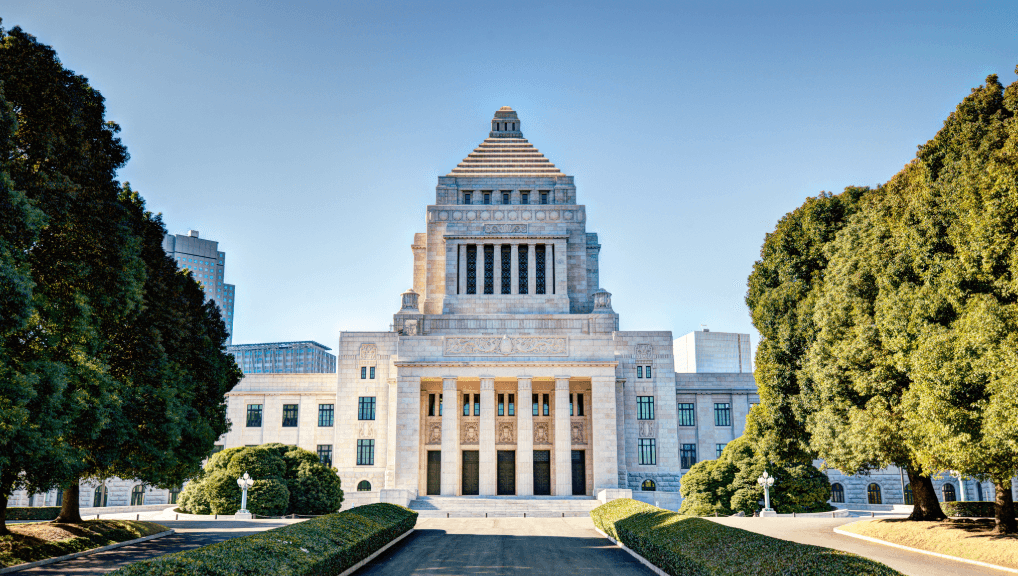
Is Japan an attractive place to do business, and what is the cost of living like?
Japan remains one of the world’s largest economies and is attractive to skilled workers, expats, and companies, particularly in the technology, industrial, research, and international corporate sectors. At the same time, life in Japan is predictable but not necessarily affordable—Tokyo and other major metropolitan areas, in particular, are driving up the costs of housing, transportation, and daily living.
Key facts at a glance:
- Established market with an average GDP growth of 0.4% per year
- Income distribution: Gini coefficient = 34.0 (0 = perfect equality; 100 = maximum inequality)
- Strong economic hub in Asia – opportunities for skilled workers, IT, engineering, and management
- Tokyo significantly more expensive than many regional cities
- Housing costs often the biggest budget driver
Tip for expats: Anyone wishing to live in Japan should not only factor in monthly expenses. In Japan, initial costs such as security deposits, real estate agent fees, furniture, insurance, and initial administrative procedures are key to a stable start.

How safe is Japan for expats?
By international standards, Japan is considered a very safe country. For expats, however, the key point is this: the main concern isn’t conventional crime, but rather the combination of very low rates of everyday crime and, at the same time, real natural hazards such as earthquakes, typhoons, heavy rain, or regional restricted zones around Fukushima.
What expats should know:
- Low crime rate
- Petty crime possible in major cities
- Nightlife districts with higher risk
- Fact in earthquakes and typhoons
- Fukushima region remains sensitive
- Use emergency apps and warning systems
Tip for expats: Safety in Japan means, above all, crisis preparedness. Those who consider their place of residence, commuting routes, and emergency routines can reduce everyday risks far more effectively than through crime prevention alone.

How does the healthcare system work in Japan?
Japan’s healthcare system is efficient, comprehensive, and well-organized. The most important point for expats is this: Anyone living in Japan long-term must enroll in the public insurance system—either through their employer or through National Health Insurance after registering their residence. Many services are covered, but a copayment is typically required.
Before emigrating:
- Universal Health Insurance System
- Employer-based plan or National Health Insurance
- Enrollment after registering your residence
- Mandatory for many long-term residents
- Usually a 30% copayment
- Private supplemental insurance may be advisable
Tip for expats: Before leaving your home country, you should clarify when your health insurance coverage will take effect in Japan. Especially during the initial phase between arrival, registration, and starting a job, having proper insurance coverage is critical.
Are you planning to move to Japan?
With a structured plan, you can avoid unexpected financial surprises. Our moving cost calculator provides clarity – it’s simple, convenient, and takes just a few steps.

What is the climate like in Japan?
The climate in Japan is not a minor consideration but a key factor in choosing a location. The north is significantly colder and receives more snow; eastern and western Japan have hot, humid summers; and the south has a subtropical climate. In addition, there are typhoon risks in late summer and weather-related restrictions on daily life.
The climate at a glance:
- Hokkaido: cold, snowy
- Eastern Japan: hot and humid in summer
- Eastern Japan: very hot and humid
- South/Okinawa: subtropical
- Typhoon season particularly relevant
- Weather can affect mobility
Tip for expats: Your place of residence and the timing of your move should not be chosen solely based on your professional situation. Climate, humidity, winter harshness, and natural hazards directly impact living comfort, health, and daily operations.
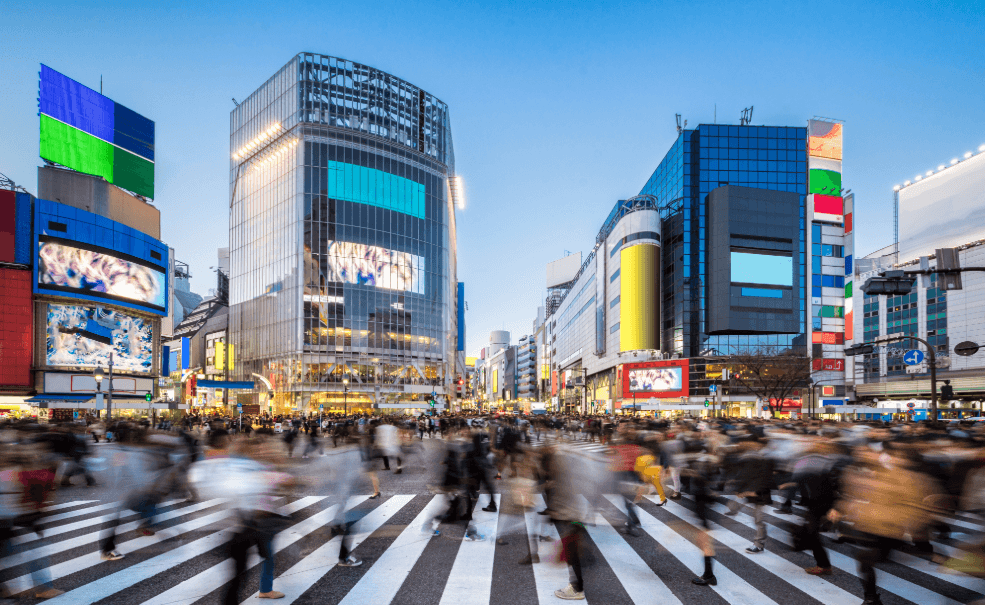
Language, culture, and daily life in Japan: What should expats know?
Anyone moving to Japan should not underestimate the cultural learning curve. Japan uniquely blends tradition and modernity, while respect, punctuality, reserve, and clear social rules are deeply ingrained in everyday life. While you can get by in certain situations in international contexts without knowing Japanese, the language is a clear advantage when dealing with government agencies, the housing market, and integration.
What really helps in everyday life:
- Japanese is absolutely essential
- Politeness and punctuality define social interactions
- Rules and routines are taken seriously
- Taking off shoes is often expected
- Less direct communication is common
- Dealing with government agencies is often language-sensitive
Tip for expats: In Japan, Japanese isn’t just a bonus—it’s nearly indispensable in many areas of life. Even basic language skills significantly reduce friction when it comes to housing, registration, healthcare, and employment.
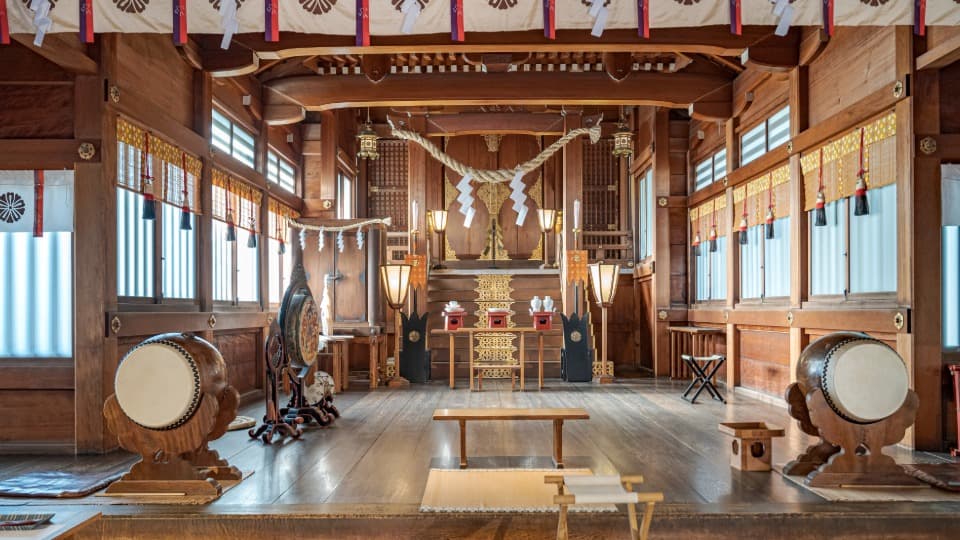
What makes Japan unique?
Japan stands out above all for its combination of cultural depth, technological modernity, and a highly organized daily life. It is precisely this blend that makes the country attractive to many: traditional values, modern infrastructure, a strong sense of security, and a daily life that revolves around reliability, order, and quality.
In detail:
- A blend of tradition and modernity
- Very strong infrastructure
- High level of daily order
- Quality consciousness in many areas
- Clean, functional environment
- International fascination with culture and design
Tip for expats: Japan is a particularly good fit for people who like structure and are willing to adapt to local standards. Those seeking maximum spontaneity will likely find daily life to be rather tightly scheduled.

What should you keep in mind when moving to Japan with pets?
Moving with pets to Japan is possible, but involves a complex administrative process. Japan has very strict veterinary regulations: a microchip must be implanted before the first rabies vaccination, two valid rabies vaccinations are required, along with an antibody test, a waiting period, and timely advance notification. If you miss any deadlines or fail to provide the required documentation, you risk having your pet placed in quarantine or sent back.
What you should keep in mind:
- Check vaccination status well in advance
- Prepare complete veterinary documentation
- Get the pet carrier used to before the flight
- Coordinate entry and flight requirements
- Minimize stress for the animal on moving day
- Actively support acclimatization at the new home
Tip for expats: When moving with pets, it’s not about improvisation, but timing. Starting early reduces stress, avoids procedural errors, and ensures a significantly smoother process.

Who is Japan a good destination for as a place to emigrate to?
Moving to Japan is particularly well-suited for people who value structure, security, and reliability and are willing to actively adapt. Japan is especially suitable for skilled professionals, expats with employer-sponsored visas, students with a clear plan, and people who are not only enthusiastic about the country but also handle rules, language, and formalities in a professional manner.
Checklist before moving to Japan:
✓ Clarify visa, passport, and entry procedures
✓ Set up healthcare and insurance coverage
✓ Plan location, housing, and transition phase
✓ Calculate a realistic budget, including a buffer
✓ Prepare moving goods and customs documents
✓ Improve Japanese language skills in a targeted manner
Conclusion: Japan is an excellent destination for well-prepared individuals—but not a place for improvisation. Those who plan thoroughly can live there very stably; those who jump in on a whim create unnecessary friction.
FAQ – What do I need to know about emigrating to Japan?
As a German citizen, do I need a visa for Japan?+
German citizens generally do not need a visa for short-term stays of up to 90 days. However, anyone who wishes to move to Japan to work, study, or live there long-term needs the appropriate residency status.
What is the security situation in Japan like?+
Japan is among the countries with a high level of public order and relatively low rates of everyday crime. At the same time, natural hazards such as earthquakes, typhoons, and extreme weather conditions should be taken into account when planning to move abroad.
What should expats know about healthcare in Japan?+
Healthcare in Japan is modern and well-organized. For those planning a longer stay, enrolling in the health insurance system is essential, as it is important to secure coverage in case of illness as early as possible.
Is it realistic to live in Japan without knowing Japanese?+
In certain international contexts, English can get you far, but in everyday life, it quickly reaches its limits. When dealing with government agencies, looking for housing, addressing medical issues, and integrating into society, knowledge of Japanese is virtually indispensable in Japan.
What is the cost of living like in Japan?+
The cost of living in Japan varies greatly depending on the region and lifestyle. Especially in metropolitan areas like Tokyo, rent and daily expenses are usually significantly higher than in smaller cities or rural areas.
Is it easy to bring pets to Japan?+
It is generally possible to import dogs and cats into Japan, but only under strictly defined conditions. These include vaccinations, documentation, waiting periods, and veterinary requirements, all of which must be arranged well in advance.
Who might be interested in moving to Japan?+
Japan is particularly appealing to people who value a well-organized environment, clear rules, and a high degree of stability. Those who are open to cultural differences, willing to embrace linguistic challenges, and planning for the long term will often find that Japan offers ideal conditions for a fresh start.
Are you interested in moving to Japan or another destination?
Then don’t hesitate to contact us today.

Related topics

Relocation Service for Individuals
With our relocation service for private individuals, DACHSER & KOLB ensures a relaxed new start abroad and accompanies you throughout your private move from start to finish – personally, reliably, and worry-free.

Relocation Service for Expats
Support for international professionals during onboarding at the new destination. We assist your expats with home search, administrative procedures, and visa processes for a fully secure and smooth “soft landing”.

International Move
Have you been bitten by the travel bug and would like to emigrate? Then you have come to the right place and your belongings are in the best of hands. For many years there has been nothing we would rather do than organize international removals across continents. Whether by ship, by plane or over land.