
Emigrating to India
Visa, safety, costs, and climate in India: a reality check
Price Calculator
Price Calculator
A few steps to your personal price
Step 1 of 3
Don't know your moving volume? In the next step, simply describe your move in your own words — our AI estimates the volume for you.
- Route
- Size
- Contact
Where is your move going?
Enter the loading and unloading address — we calculate the route for your move.
Don't know your moving volume? In the next step, simply describe your move in your own words — our AI estimates the volume for you.
- Truck
- Container
- Plane
Non-binding and free — a survey only comes if you want one.
Emigrating to India: The most important answers first
✓ Visa required in advance: Entry only permitted with a valid visa; registration may also be required in some cases.
✓ Dynamic economy: Opportunities primarily in IT, industry, pharmaceuticals, and services.
✓ Mixed security situation: Stay alert in cities; certain regions are particularly sensitive.
✓ Two-tiered healthcare system: Good private clinics in major cities; supplemental coverage is usually advisable.
✓ Diverse climate: Heat, monsoon rains, and significant regional differences shape daily life.
✓ Language skills: English is often helpful, but regional languages remain important.
✓ Special feature: Festivals, spirituality, and cultural diversity make India unique.
✓ Moving with pets: Thorough preparation and complete pet documentation required.
Make moving easy with DACHSER & KOLB. Use the moving cost calculator. Get a quote and consultation. Book a tour. Move.
Facts about India

Capital City
New Dehli

Population
1.42 billion

Surface Area
2,042,447.11 mi² or 3,287,000 km²

Continent
Asia

Official Language
Hindi

Currency
Indian rupee (INR)

What are the customs, visa, and entry requirements for India?
Entry into India is not visa-free. A visa must be applied for prior to arrival, either through an Indian diplomatic mission abroad or as an e-visa—there is no visa-on-arrival option. In addition, a digital e-Arrival Card must be completed before entry, which replaces the former paper form, although paper forms are still accepted on a transitional basis. For longer stays and certain types of visas, registration with the relevant authorities is also required.
Documents required for entry:
- Passport: Yes
- Provisional passport: Yes
- ID card: No
- Provisional ID card: No
- Child’s passport: Yes
Tip for expats: When it comes to India, the visa and registration process must be in order first. If you don’t properly prepare your entry, registration, entry stamps, and household goods, you’ll face unnecessary delays right from the start.
What are the economic conditions and standard of living like in India for immigrants?
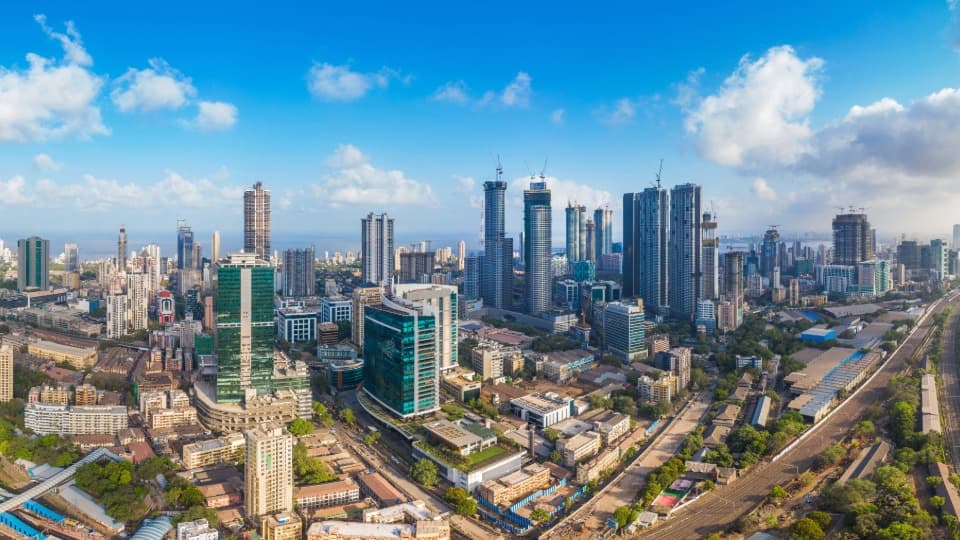
India is one of the world’s largest economies and remains one of the most dynamic growth markets. At the same time, significant disparities persist between affluent urban centers and regions with significantly weaker infrastructure. For expatriates, opportunities exist primarily in the IT, services, manufacturing, healthcare, and internationally oriented business sectors. However, living conditions vary greatly depending on region, income, and standard of living.
Key facts at a glance:
- Overall, a generally declining economy, with an average GDP growth rate of -1–2% per year (1970–2024).
- Income distribution: Gini coefficient = 25.5 (0 = perfect equality; 100 = maximum inequality)
- Very large domestic market with high economic dynamism
- Strong hubs for IT, services, industry, and pharmaceuticals
- Metropolises offer the most opportunities, but also higher costs
- Social disparities clearly visible in everyday life
- Housing standards, mobility, and air quality vary greatly depending on location
- Good international career opportunities, especially in large urban areas
Tip for expats: India is economically attractive, but only if you manage your expectations realistically. Anyone moving to Delhi, Mumbai, Pune, Hyderabad, or Bengaluru should consider not only rent but also mobility, air quality, private healthcare, and daily time commitments.
Safety in India: What do expats need to know?
India is not traditionally considered a high-risk country for expatriates, but safety remains a clear concern in everyday life. Petty crime occurs; in cities, aggressive tourist scams and overpriced fake travel agencies are a real problem; and in certain regions, the security situation is significantly more tense. Travel to Jammu and Kashmir is discouraged, travel to Manipur is strongly advised against, and increased caution is also advised in the immediate border area with Pakistan. In major cities and heavily frequented areas, large crowds, protests, and sensitive security situations should be taken into account.
What expats should know:
- Petty crime such as pickpocketing occurs
- Tourist scams are particularly relevant in major cities
- It is best to avoid demonstrations and crowds
- Increased security risks in Jammu and Kashmir as well as Manipur
- The situation is also sensitive in border areas with Pakistan
- Stay alert in markets, train stations, the metro, and near government buildings
Tip for expats: In India, safety depends heavily on the region, neighborhood, and your behavior. A structured daily routine with reliable transportation, minimal cash, and a sensible choice of location brings significantly more peace of mind than spontaneous improvisation.

What is the healthcare system like in India?
The healthcare system in India is sharply divided. In many large cities, medical care in key specialties ranges from good to very good, though it is significantly more expensive there. Outside major urban centers, care for emergencies and more complex treatments is often inadequate. For expatriates, therefore, good private health insurance with a repatriation option is practically a must.
At a glance:
- Large private clinics in major cities often offer high-quality care
- Outside major cities, care is significantly weaker
- Emergency and rescue services are not reliable everywhere
- High upfront payments before treatment are common
- Possible variations in medication quality and unreliable cold chains
- Air pollution is a health concern in many cities with populations over a million
- Mosquito protection remains important due to regionally varying malaria risks
Tip for expats: Anyone moving to India should always evaluate their place of residence from a medical perspective. Proximity to a good private clinic, insurance coverage, and a realistic plan for emergencies are more important than a lower rent.
Are you planning to move to India?
With structured preparation, you can avoid financial surprises. Our moving cost calculator provides clarity — it's simple, convenient, and takes just a few steps.
What is the climate like in India?
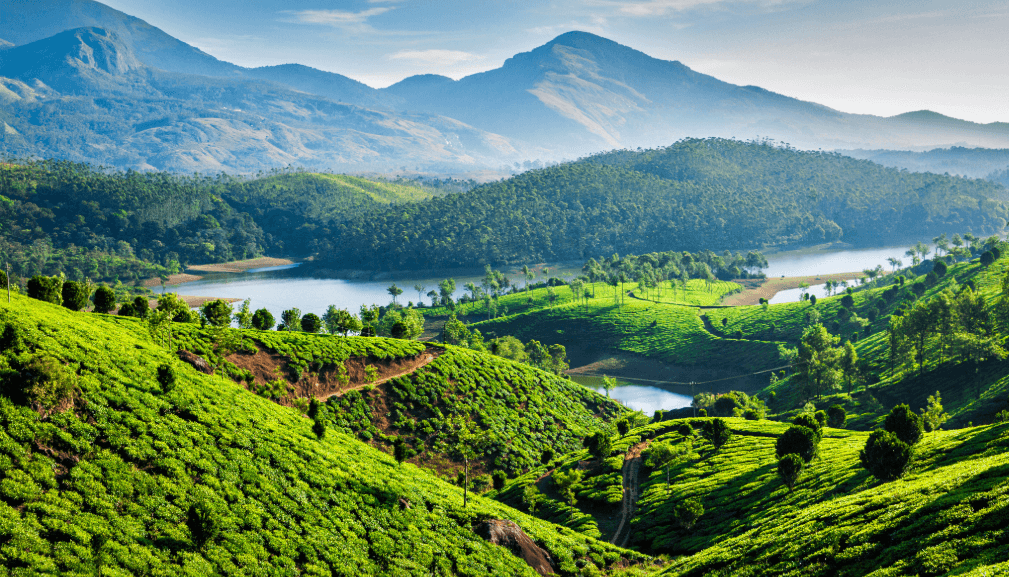
India does not have a uniform climate. From April to June, a hot dry season dominates in many regions, while from July to September, the monsoon affects large parts of the country. Seasonal variations are much more pronounced in the north than in the south. In addition, there are floods, landslides, and cyclones along the east coast, as well as regional differences between the Himalayas, the North Plains, the coasts, desert zones, and tropical regions.
What the climate means for your daily life:
- Hot dry season in many regions from April to June
- Monsoon season in large parts of the country from July to September
- Significantly stronger seasonal changes in the north
- Warmer and more consistent year-round in the south
- Floods and landslides are a concern during the monsoon
- Cyclones are a seasonal consideration, especially on the east coast
Tip for expats: India should never be viewed as a single country in terms of climate. Delhi, Goa, Bengaluru, Chennai, and the Himalayan region present completely different conditions for living, mobility, and health in everyday life.
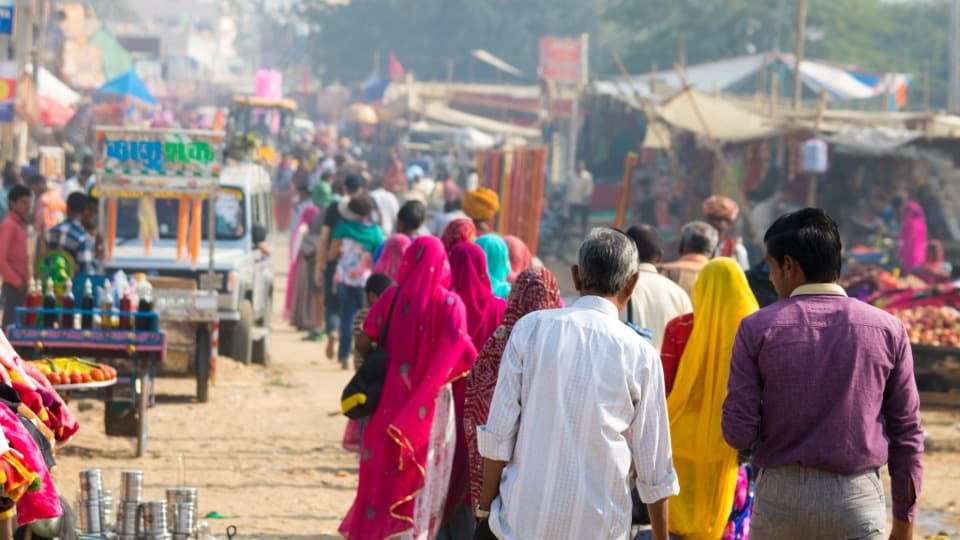
What shapes language, culture and daily life in India?
In everyday life, India is extremely diverse in terms of language and culture. Hindi and English play a major role in daily life across the country, yet the Constitution enshrines 22 languages in its Eighth Schedule, and depending on the region, very different everyday languages dominate. English goes a long way in urban and professional contexts, but it does not replace regional sensibilities. Daily life is strongly shaped by family, religion, festivals, hierarchies, pace, street life, and very different regional routines.
What really helps in daily life:
- English is widely usable in many urban and professional contexts
- Hindi is particularly prevalent in the north
- Regional languages often play the leading role in daily life
- Festivals and religious routines significantly shape the course of the year
- Hierarchies and respectful communication are important
- Depending on the region, daily life can feel significantly more direct, intense, and loud
- Many Indians are vegetarian for religious reasons
Tip for expats: In India, English gives you a good start, but true confidence in daily life comes only with cultural sensitivity. Those who respect regional differences and understand local communication patterns will settle in much faster.
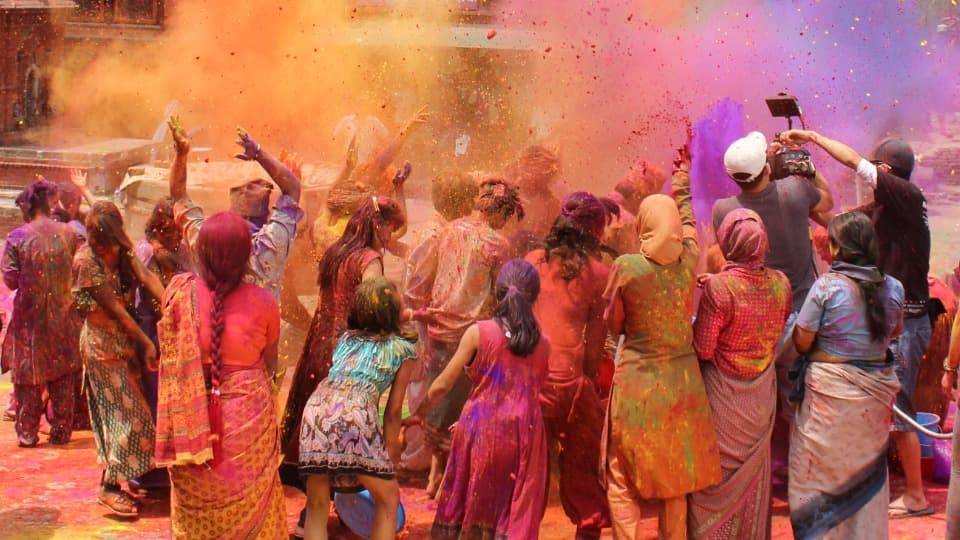
Festivals, spirituality and linguistic diversity – What makes India unique?
India stands out above all for its immense cultural richness. The country combines major religious festivals, spiritual sites, highly diverse regional identities, and an extraordinary linguistic diversity into a single destination for immigrants. It is precisely this blend of everyday spirituality, public festival culture, and cultural contrasts that makes India so distinctive.
In detail:
- A strong culture of festivals and celebrations throughout the country
- Religious and cultural diversity visible in everyday life
- 22 constitutionally recognized languages in the Eighth Schedule
- Many regions with distinct identities, cuisines, and daily routines
- Culture influences not only tourism but also everyday life directly
- India closely intertwines metropolises, spirituality, and tradition
Tip for expats: Those moving to India should not spend their first few weeks solely on finding housing, opening a bank account, and dealing with government agencies, but should also consciously experience festivals, markets, and different neighborhoods. That is exactly where you’ll most quickly develop a realistic sense of daily life, the pace, and cultural norms.

What should you bear in mind when moving to India with animals?
Moving with pets to India requires more advance planning than many people expect. In addition to transportation, veterinary certificates, deadlines, vaccinations, and animal welfare must be carefully coordinated. Generally, up to two pets are permitted if you can provide proof of your stay abroad and change of residence. In addition to the required documents, additional examinations or quarantine observations may be required in individual cases.
What you should keep in mind:
- Check vaccination status well in advance; rabies vaccination is mandatory
- Prepare complete veterinary documentation
- Get the pet carrier used to it before the flight
- Coordinate entry and flight requirements
- Minimize stress for the pet on moving day
- Actively support the animal’s adjustment to the new home
- Up to two animals per owner allowed
- Proof of stay abroad and change of residence required
Tip for expats: When moving pets to India, documentation is key. Vaccination status, health certificate, owner information, and travel dates should be complete and consistent before booking.
For whom is India a suitable destination for emigration?
India is particularly well-suited for people seeking a dynamic, culturally rich, and regionally diverse environment. The country is a good fit for professionals, entrepreneurs, expats with employer-sponsored packages, highly adaptable individuals, and anyone who views urban life, a fast pace, and cultural differences not as a burden but as part of the appeal.
Checklist before moving to India:
✓ Check entry requirements and residency regulations for India
✓ Secure health insurance and medical care in India
✓ Determine a suitable place to live in India and arrange initial accommodation
✓ Plan a relocation budget for India, including a buffer
✓ Prepare thoroughly for the move to India with household goods and documents
✓ Use English to make daily life in India easier
Conclusion: India captivates with its cultural depth, economic dynamism, and an extraordinary diversity of lifestyles. The country is particularly appealing to people who bring openness, adaptability, and a desire for an environment full of vivid impressions and new perspectives.
FAQs for emigrating to India
Do I need a visa to move to India?+
Yes. German citizens cannot enter India without a visa. Anyone who wishes to emigrate to India, work there, or stay for an extended period must obtain the appropriate visa before entering the country.
Do I need to register after entering India?+
For longer stays, registration is required. This must generally be done within 14 days of arrival if the stay lasts longer than six months.
Is India a good country to emigrate to?+
India can be an attractive destination for expats because the country is experiencing economic growth and offers a wide variety of lifestyles and work arrangements. At the same time, daily life and quality of life depend heavily on the region, income, infrastructure, and how well-prepared you are.
How safe is India for expats?+
The security situation varies greatly from region to region. In large cities, petty crime, attempted fraud, and large crowds are common, while certain regions are significantly more vulnerable than others.
How good is the healthcare system in India?+
In major cities, there are private hospitals ranging from good to excellent, but outside urban centers, medical care is often significantly poorer. For expats, therefore, good private health insurance is generally very important.
Is English sufficient for everyday life in India?+
English is clearly more useful in many urban and professional contexts. In everyday life, however, regional languages and cultural sensitivity remain important because India is linguistically and socially very diverse.
Can I move to India with my dog or cat?+
Yes, it is generally possible to move to India with a dog or cat. This requires complete documentation, including a health certificate, a valid rabies vaccination, and consistent owner information. Generally, up to two animals are permitted.
Are you interested in moving to India or another destination country?
Then do not hesitate and contact us today.

Related topics

Relocation Service for Individuals
With our relocation service for private individuals, DACHSER & KOLB ensures a relaxed new start abroad and accompanies you throughout your private move from start to finish – personally, reliably, and worry-free.

Relocation Service for Expats
Support for international professionals during onboarding at the new destination. We assist your expats with home search, administrative procedures, and visa processes for a fully secure and smooth “soft landing”.

International Move
Have you been bitten by the travel bug and would like to emigrate? Then you have come to the right place and your belongings are in the best of hands. For many years there has been nothing we would rather do than organize international removals across continents. Whether by ship, by plane or over land.