

Emigrating to Greece
Visas, Safety, Costs & Climate on the Greek Peninsula: A Reality Check
Price Calculator
Don't know your moving volume? In the next step, simply describe your move in your own words — our AI estimates the volume for you.
- Route
- Size
- Contact
Where is your move going?
Enter the loading and unloading address — we calculate the route for your move.
Don't know your moving volume? In the next step, simply describe your move in your own words — our AI estimates the volume for you.
- Truck
- Container
- Plane
Non-binding and free — a survey only comes if you want one.
Emigrating to Greece: The most important answers first
✓ Visa-free entry: ID card or passport accepted; registration required for longer stays.
✓ Strong economy: robust growth, though regional variations exist.
✓ Security situation generally stable: Greece is considered safe; be aware of weather conditions.
✓ Healthcare system accessible: Care provided with clear proof of insurance status; AMKA required for work.
✓ Mediterranean climate: Very hot summers and droughts, mild winters.
✓ Language skills: Tourist regions are English-friendly; Greek is necessary for daily life.
✓ Special feature: High diversity of islands, islets, and rocky islets.
✓ Moving with pets: Feasible with proper preparation.
Relocating made easy with DACHSER & KOLB. Use the moving cost calculator. Get a quote and consultation. Book a viewing. Move.
Facts about Greece

Capital City
Athens

Population
10.4 million

Surface Area
131.957 km²

Continent
Europe

Official Language
Greek

Currency
Euro (EUR)
What are the customs, visa, and entry requirements for Greece?
For German citizens, emigrating to Greece is significantly easier than moving to a non-EU country. As an EU citizen, you can enter Greece with a valid ID card or passport and initially stay there without a visa. If you plan to stay longer, you should ensure that your residence registration, insurance status, and documentation for housing, employment, or self-employment are properly arranged well in advance.
Documents required for entry:
- Passport: Yes
- Temporary passport: Yes
- ID card: Yes
- Temporary ID card: Yes, must be valid
- Child’s passport: Yes
Tip for expats: For Greece, the real hurdle is not entry itself, but the proper logistical preparation afterward. Those who first establish their residency status, health insurance, residential address, and financial matters will save time and stress later on.
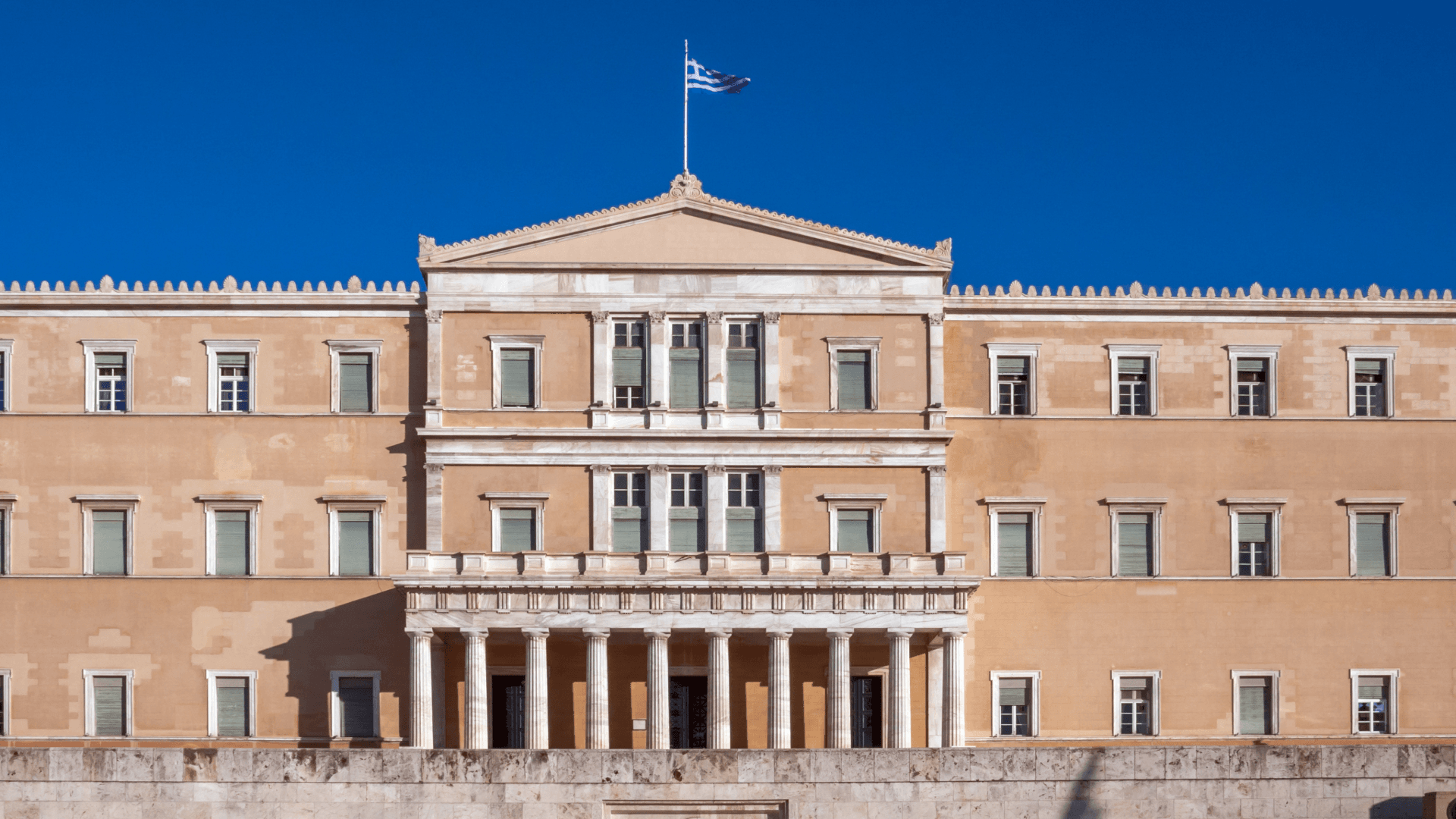
Is Greece an attractive place to do business, and what is the cost of living like?
Economically, Greece is no longer the crisis-stricken country depicted in many older headlines. According to the OECD, growth remains robust, though regional disparities in income, job opportunities, and cost of living are significant. The tourism, energy, logistics, IT, agriculture, and service sectors are particularly strong; living costs are especially high in tourist hotspots and sought-after locations.
Key facts at a glance:
- Economy with stable GDP growth of 2.1% since 2024
- Opportunities in tourism, energy, logistics, IT, and services
- Income distribution: Gini coefficient = 31.2 (0 = perfect equality; 100 = maximum inequality)
- Cost of living highly location-dependent; coastal and tourist regions are generally more expensive
- In less touristy regions, rents and daily living costs are often lower
Tip for expats: Greece does not function economically as a one-size-fits-all model. The business case must always be calculated based on region, industry, and income—not just on sun, sea, and lifestyle.

Safety in Greece: What do expats need to know?
Greece is generally considered a safe and livable place to visit and reside, but expats should consider safety in a broader sense than just crime. In major cities, pickpocketing and car break-ins are a concern, along with demonstrations, summer wildfires, extreme heat, regional flooding, and earthquake risks.
What expats should know:
- Pickpocketing, especially in Athens, Thessaloniki, and Piraeus
- Exercise particular caution on public transportation and at transportation hubs
- Demonstrations and traffic disruptions occur
- Increased risk of wildfires in the summer
- Greece is located in a seismically active zone
- Take local warning systems seriously in everyday life
Tip for expats: If you want to live there permanently, don’t choose your place of residence based solely on price and views. Infrastructure, evacuation routes, summer heat, access to medical care, and everyday mobility should all be on your list of considerations in Greece.

What is the healthcare system like in Greece?
The healthcare system in Greece combines public institutions under the ESY with private providers affiliated with EOPYY. EU citizens generally have access to healthcare services provided they can clearly prove their insurance status. Anyone who works or is insured in Greece, or who intends to work there, needs an AMKA social security number.
Important before moving:
- Public healthcare through ESY and EOPYY
- Clarify insurance status before departure
- AMKA is relevant for work, insurance, and daily life
- Prepare documents well in advance
- Private supplemental coverage may be a practical option
Tip for expats: The healthcare system is accessible, but only runs smoothly if proof of insurance and identification numbers are prepared in advance. Health care in Greece is therefore primarily a matter of paperwork and organization.
Are you planning to move to Greece?
With a structured plan, you can avoid unexpected financial surprises. Our moving cost calculator provides clarity—it’s simple, convenient, and takes just a few steps.
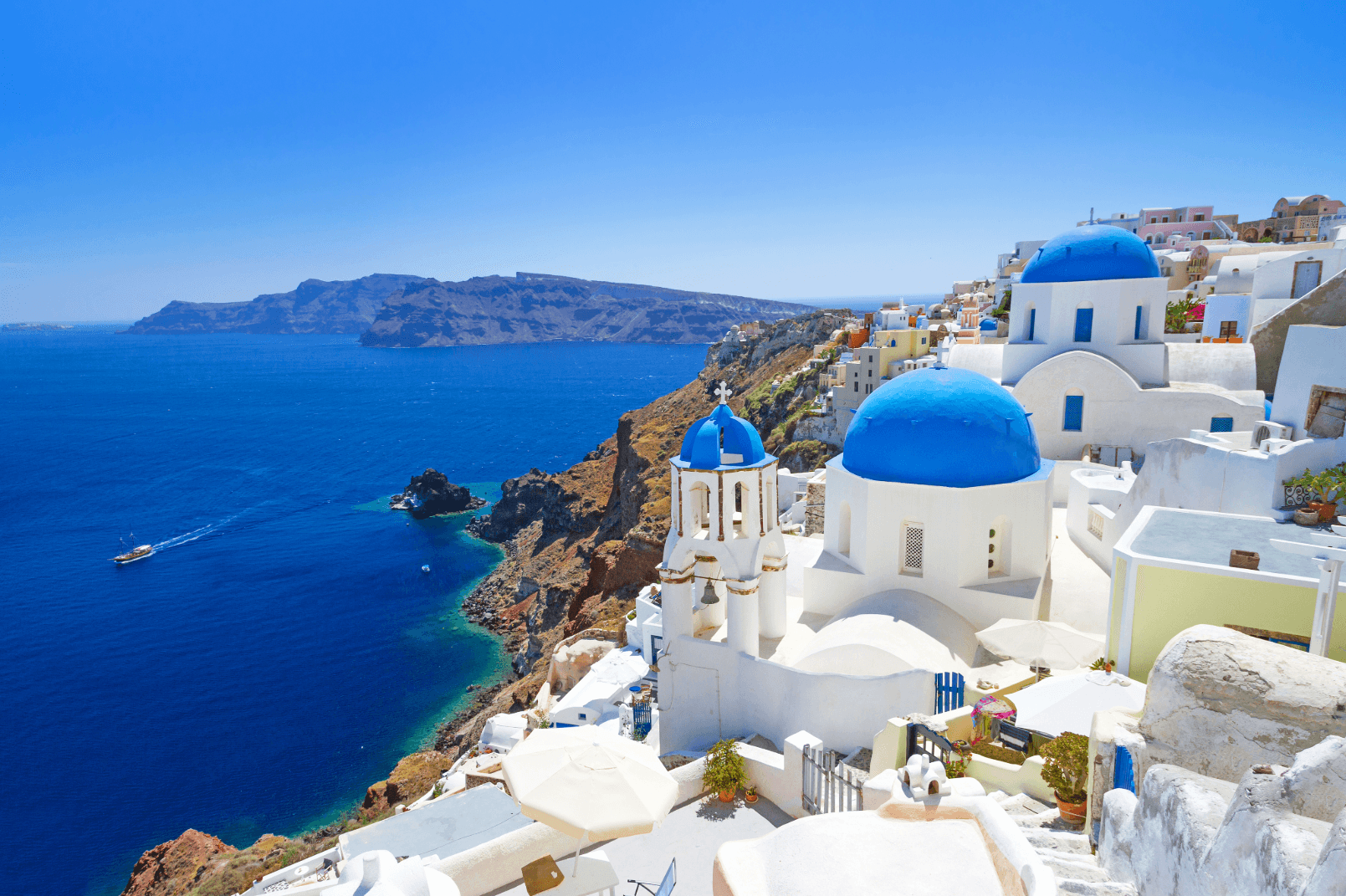
Hot summers, drought, and the risk of wildfires – What is the climate like in Greece?
The climate is one of the strongest factors attracting people to move to Greece. Mediterranean weather, plenty of sunshine, and mild winters make the country appealing. At the same time, this very climate brings with it certain challenges: very hot summers, drought, the risk of wildfires, and significant differences between the islands, the coast, the mainland, and the mountainous regions.
What the climate means for your daily life:
- Mediterranean climate with plenty of sunshine
- Hot, dry summers
- Milder, wetter winters
- Mountain regions are significantly cooler
- Summer winds like the Meltemi can provide regional relief
- Heat and fire risk are real location factors
Tip for expats: Anyone moving to Greece should not treat climate as a lifestyle choice, but as a location factor. Neighborhood, shade, water availability, accessibility, and summer resilience determine true quality of life.
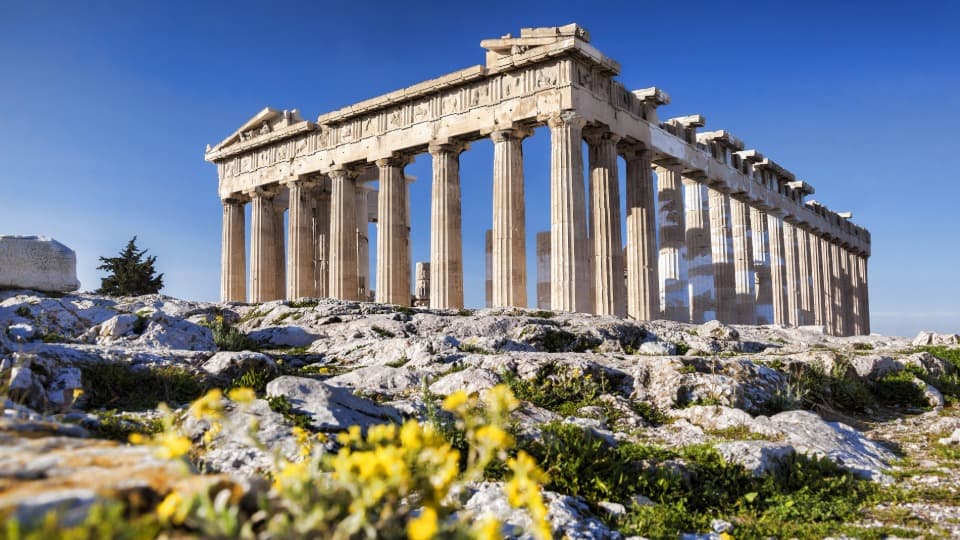
Living in Greece? – Language, culture, and daily life
Anyone moving to Greece needs more than just a positive attitude to get by in daily life. Greek is the official language and a clear advantage when dealing with government agencies, landlords, healthcare providers, and employers. In tourist areas and major cities, you can often get by with English, but true integration usually comes through language and local connections.
What really helps in everyday life:
- Greek is the official language
- Language skills make dealing with government agencies, work, and housing easier
- English is especially helpful in cities and tourist regions
- Hospitality is part of everyday culture
- Local networks speed up integration
- Patience with procedures and appointments pays off
Tip for expats: Those who plan to get by in Greece using only English often get stuck halfway. Even a solid basic knowledge of Greek is a real boost for daily life, building trust, and achieving independence.

What makes Greece so special?
Greece is not a typical destination for emigration for just one reason, but because of its unique combination of islands, proximity to the coast, history, and practicality within the EU.
Unique features of Greece:
- Great diversity: around 6,000 islands, islets, and rocky outcrops
- About 107 islands are inhabited
- No part of the country is more than 137 km from the sea
- Close connection between daily life and history
- Athens as a defining site of ancient democratic history
- Strong heritage in philosophy, art, and science
- High concentration of archaeological sites and UNESCO World Heritage Sites
Tip for expats: Those who move to Greece are not only moving to a sunny country, but to a cultural region with immense historical significance. Especially for people who value history, identity, and cultural depth, Greece is therefore more than just a beautiful place to live.

What should you keep in mind when moving to Greece with pets?
Moving with pets to Greece is relatively easy to plan within the EU. Nevertheless, there are clear requirements: a microchip, a valid rabies vaccination, and an EU pet passport are mandatory. When entering from a non-EU country, additional health and documentation requirements apply.
Pet owners should note the following:
- Check vaccination status well in advance
- Prepare complete veterinary documentation
- Get the pet carrier used to it before the flight
- Coordinate entry and flight requirements
- Minimize stress for the pet on moving day
- Actively support the pet’s adjustment to the new home
- Young animals without valid rabies protection are not permitted to enter Greece
Tip for expats: When moving with pets, it’s not about improvisation, but timing. Starting early reduces stress, avoids paperwork errors, and ensures a much smoother process.

For whom is Greece a suitable destination for emigration?
Greece is particularly well-suited for people who want to relocate easily under EU law and prioritize quality of life, climate, and proximity to the coast. The country is ideal for retirees, self-employed individuals with a solid business plan, remote workers with a stable income, and professionals in tourism-related, logistics, technical, or service-oriented fields
Checklist before moving to Greece:
✓ Clarify visa, passport, and entry requirements
✓ Set up healthcare and insurance coverage
✓ Plan your location, housing, and transition period
✓ Realistically calculate your budget, including a buffer
✓ Targetedly improve your Greek language skills
Conclusion: Greece isn’t a sure thing, but it’s a strong destination for people with realistic expectations.
FAQs on emigrating to Greece
As a German citizen, do I need a visa to visit Greece?+
No. German citizens can enter Greece with a valid ID card or passport; a visa is not required.
Do I need to register after entering Greece?+
For longer stays, you may be required to register. For stays of more than three months, factors such as health insurance, financial resources, or employment are particularly important.
How safe is Greece for expats?+
Greece is generally a destination where it’s easy to plan your trip. However, in major cities like Athens, Thessaloniki, and Piraeus, you should be especially vigilant against pickpocketing and scams.
Can I move to Greece with my dog or cat?+
Yes, that is generally possible. The most important requirements are a microchip, a valid rabies vaccination, and the correct travel documents; if these requirements are not met, animals may be turned away or placed in quarantine.
Is Greece a good country to emigrate to?+
For many, yes. Greece stands out for its proximity to the EU, its climate, high quality of life, and attractive opportunities in sectors such as tourism, the restaurant industry, and skilled trades; at the same time, one should not underestimate the bureaucracy, the process of selecting a location, and the necessary preparations.
Who is Greece particularly suited for?+
Greece is particularly well-suited for people who are looking for a high quality of life, sunshine, the sea, and cultural richness, and who are realistically planning a fresh start.
Is it possible to live in Greece without knowing Greek?+
In tourist areas and larger cities, you can often get by just fine with English. However, knowledge of Greek is a definite advantage when dealing with government agencies, visiting the doctor, and integrating into the local community over the long term.
Are you interested in moving to Greece or another destination country?
Then do not hesitate and contact us today.

Donna Draganov
Teamlead Customer Service & Sales - ROAD
- +49 831 59 206 - 220
- ed.blok-reshcad@vonagard.annod
Related topics

Relocation Service for Individuals
With our relocation service for private individuals, DACHSER & KOLB ensures a relaxed new start abroad and accompanies you throughout your private move from start to finish – personally, reliably, and worry-free.

Relocation Service for Expats
Support for international professionals during onboarding at the new destination. We assist your expats with home search, administrative procedures, and visa processes for a fully secure and smooth “soft landing”.

International Move
Have you been bitten by the travel bug and would like to emigrate? Then you have come to the right place and your belongings are in the best of hands. For many years there has been nothing we would rather do than organize international removals across continents. Whether by ship, by plane or over land.