
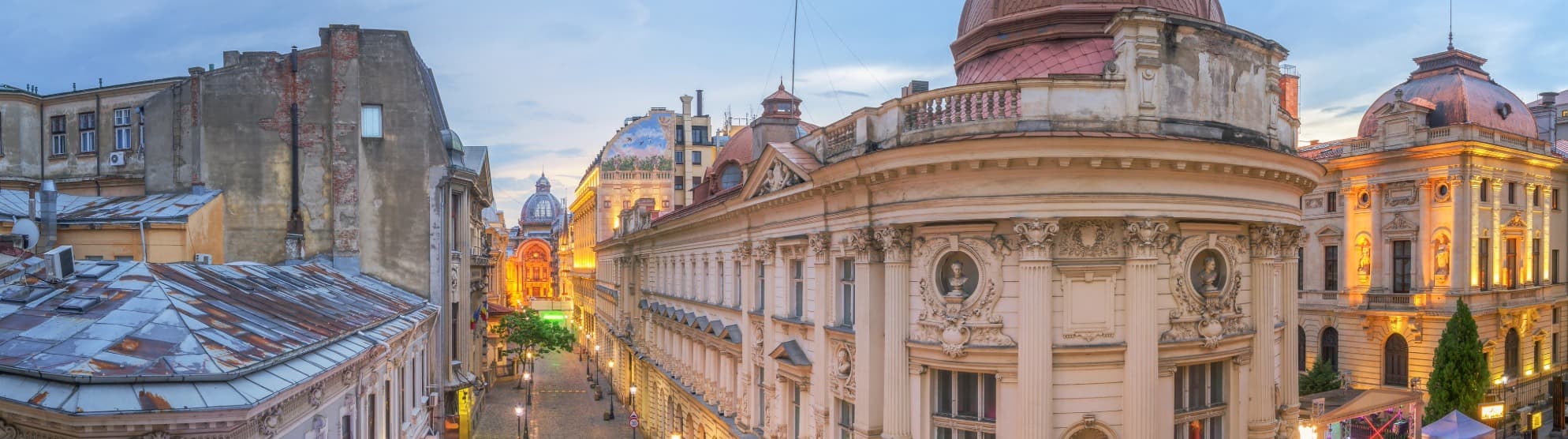
Emigrating to Romania
Visa, safety, costs, and climate in Romania: a reality check
Price Calculator
Don't know your moving volume? In the next step, simply describe your move in your own words — our AI estimates the volume for you.
- Route
- Size
- Contact
Where is your move going?
Enter the loading and unloading address — we calculate the route for your move.
Don't know your moving volume? In the next step, simply describe your move in your own words — our AI estimates the volume for you.
- Truck
- Container
- Plane
Non-binding and free — a survey only comes if you want one.
Emigrating to Romania: The most important answers first
✓ Visa-free entry: Entry without a visa is possible; longer stays require registration of residence.
✓ Promising economic opportunities: Opportunities primarily in IT, industry, energy, and services.
✓ Security situation generally stable: In daily life, be mindful of petty theft and urban safety.
✓ Healthcare system varies by region: Generally better in major cities; private supplemental coverage is often advisable.
✓ Climate with four seasons: Warm summers, cold winters, with significant regional variations.
✓ Language skills: Romanian dominates daily life; English is helpful, especially in cities.
✓ Special feature: The Carpathians, Transylvania, and the Danube Delta make Romania unique.
✓ Moving with pets: Good preparation, microchipping, and rabies vaccination are important.
Make moving easy with DACHSER & KOLB. Use the moving cost calculator. Get a quote and consultation. Book a tour. Move.
Facts about Romania

Capital City
Bucharest

Population
19.06 million

Surface Area
92,045.59 mi² or 238.397 km²

Continent
Europe

Official Language
Romanian

Currency
Romanian leu (RON)
What are the customs, visa, and entry requirements for Romania?
Entry into Romania is straightforward for German citizens: EU citizens may stay in Romania for up to three months without having to register their residence. For longer stays, registration of residence is required. Romania has been a full member of the Schengen Area since 2025, which further simplifies travel within the Schengen Area.
Documents required for entry:
- Passport: Yes
- Temporary passport: Yes
- ID card: Yes
- Temporary ID card: Yes, must be valid
- Child passport: Yes
Tip for expats: First clarify your residency status and registration, then plan your move. Those who prepare residence registration, employment matters, and household documents simultaneously will save themselves unnecessary delays later on.
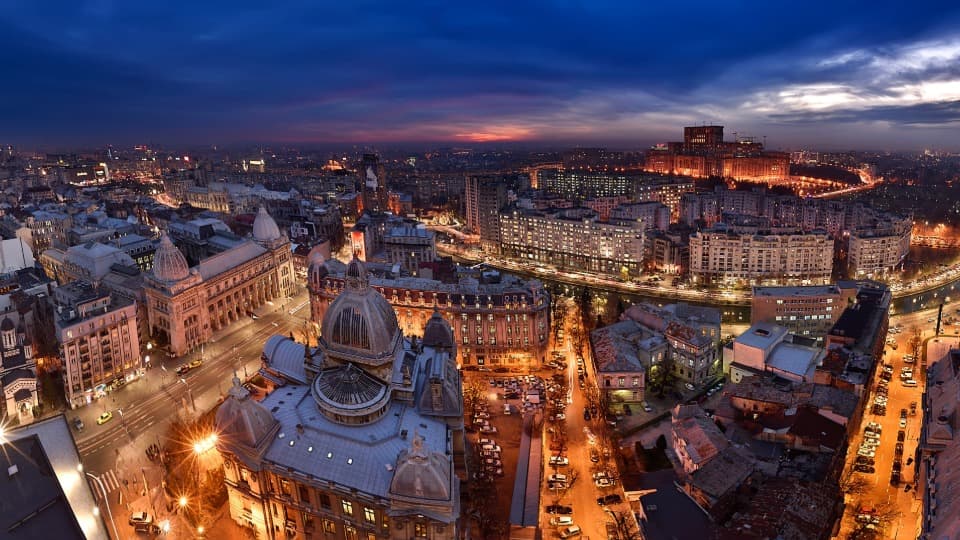
What are the economic conditions and standard of living like in Romania for expats?
Economically, Romania is one of the more dynamic markets in Southeast Europe. For expats, this means that Romania offers opportunities in IT, automotive, manufacturing, energy, and services; at the same time, wages, purchasing power, infrastructure, and quality of life vary significantly from region to region.
Key facts at a glance:
- Overall economy generally in decline, with an average GDP growth rate of -4% per year (1980–2025).
- Income distribution: Gini coefficient = 29.8 (0 = perfect equality; 100 = maximum inequality)
- Strong sectors: IT, automotive, manufacturing, energy, services
- Good opportunities, especially in Bucharest, Cluj-Napoca, Timișoara, Iași, and Brașov
- Cost of living often more moderate than in Western Europe
- Quality of housing and income vary greatly by region
- Cities are more attractive for careers, but more expensive for daily living
- Infrastructure outside the major centers is sometimes significantly weaker
Tip for expats: Romania is economically attractive, but success is not guaranteed. Those who factor in salary, rent, mobility, and private healthcare costs from the start will make a much better decision about where to settle.
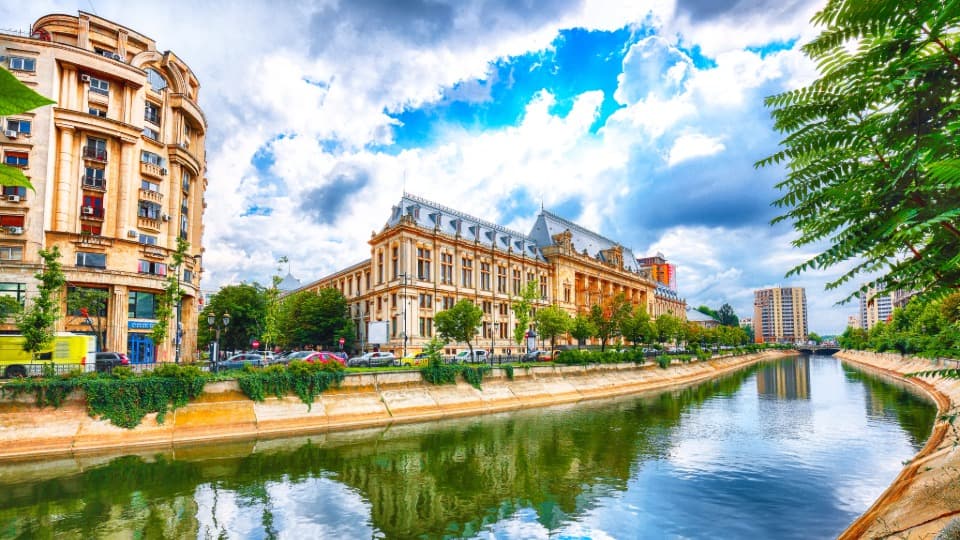
Safety in Romania: What do expats need to know?
Overall, Romania is considered a relatively safe country. In everyday life, petty theft, pickpocketing, and typical safety concerns in cities, train stations, and heavily touristed areas are more common than serious violent crime. In addition, there are regional natural hazards such as earthquakes, heavy rain, or winter traffic problems.
What expats should know:
- Overall security situation is stable
- Pickpocketing is possible at train stations and in tourist areas
- Keep documents and valuables secure in daily life
- Bucharest requires a bit more urban vigilance than smaller cities
- Earthquake risk should be considered in parts of the country
- Winter and mountainous regions require extra caution
Tip for expats: In Romania, it is often the specific location that matters, not the country as a whole. Those who pay attention to a good neighborhood, safe routes, and a realistic city profile will live a much more relaxed life.

What is the healthcare system like in Romania?
The healthcare system in Romania provides statutory coverage, but its effectiveness varies significantly by region. In larger cities, care is significantly better and private healthcare options are often more readily available, while access and quality outside urban centers can be noticeably poorer. For many expats, private supplemental coverage is therefore advisable.
At a glance:
- Statutory health insurance as a foundation
- Care in major cities is generally better than in rural areas
- The private sector is often more relevant for convenience and faster appointments
- The system remains heavily hospital-centered
- Primary care and prevention still have room for improvement
- Choice of location significantly influences access to medical care
Tip for expats: Always evaluate healthcare in Romania based on location. Those who live closer to a good urban center and plan for private supplementary options significantly reduce future risks.
Are you planning to move to Romania?
With structured preparation, you can avoid financial surprises. Our moving cost calculator provides clarity — it's simple, convenient, and takes just a few steps.
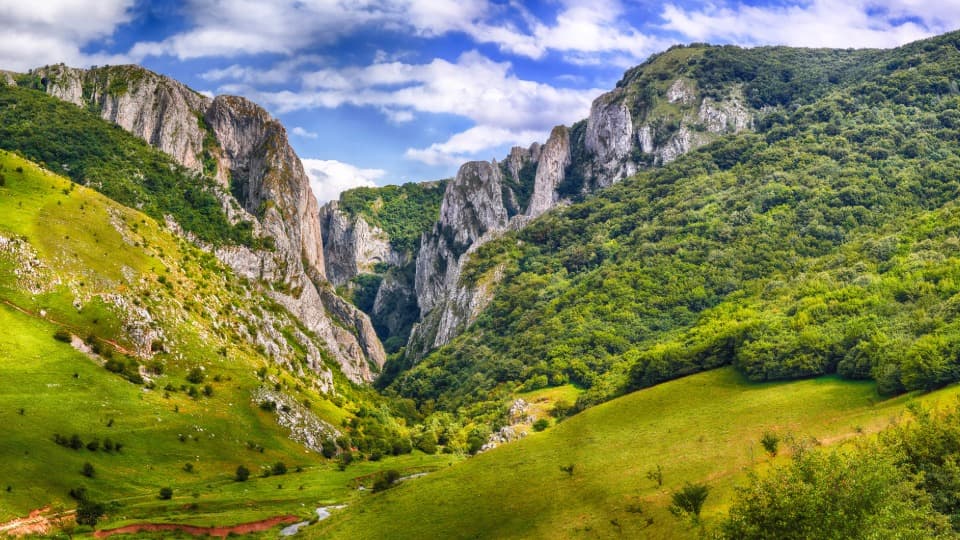
What is the climate like in Romania?
Romania has a temperate continental climate with four distinct seasons. Warm summers, cold winters, and significant regional differences between the Carpathians, the Black Sea coast, the Danube region, and the interior shape daily life. It is precisely this diversity that makes the country attractive, but it also places greater demands on where you live, your mobility, and your daily routine.
What the climate means for your daily life:
- four distinct seasons
- Summers warm to hot, especially in the south and east
- Winters cold, with heavy snowfall in mountainous regions
- Mountains significantly cooler than the lowlands and coast
- Black Sea coast with its own distinct climate
- Weather has a significant impact on mobility and living comfort
Tip for expats: In Romania, don’t choose where to live based solely on price or job opportunities. Bucharest, Cluj, Brașov, the coast, and rural regions offer very different conditions in terms of climate and practical daily life.
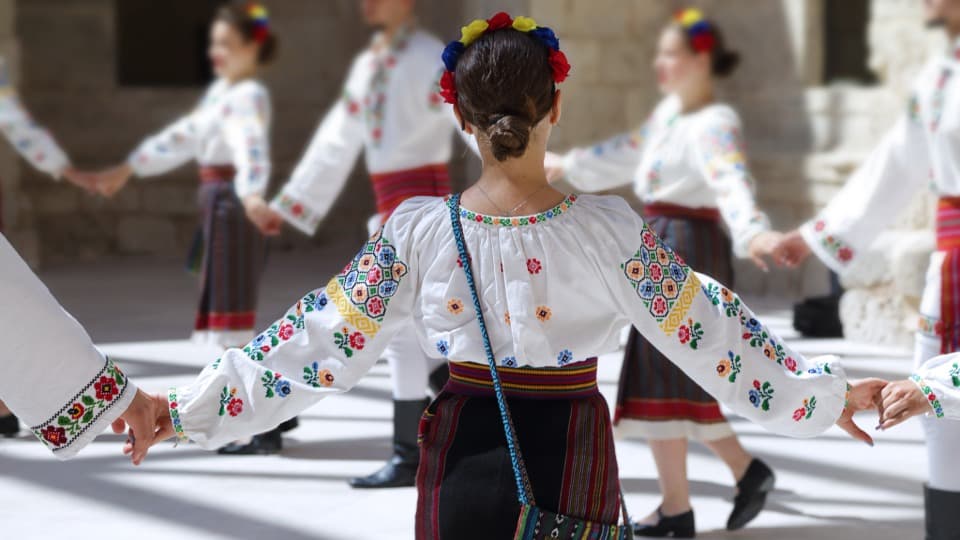
What shapes the language, culture and daily life in Romania?
Romanian is the official language and the primary gateway to daily life. At the same time, Romania is culturally diverse across its regions: Transylvania, Maramureș, Bukovina, Bucharest, and the coast can all feel quite different in everyday life. Added to this are local traditions, Orthodox holidays, and a strong sense of family, hospitality, and regional identity.
What really helps in daily life:
- Romanian is the clear language of daily life
- regional identities are strongly pronounced throughout the country
- Traditions and customs remain visible in daily life
- Orthodox holidays shape the course of the year in many places
- Hospitality is deeply rooted in the culture
- English is more useful in cities than in rural areas
Tip for expats: English gets you by in Romania in certain situations, but Romanian takes you much further. Those who take the language and regional customs seriously build trust and networks suitable for everyday life more quickly.
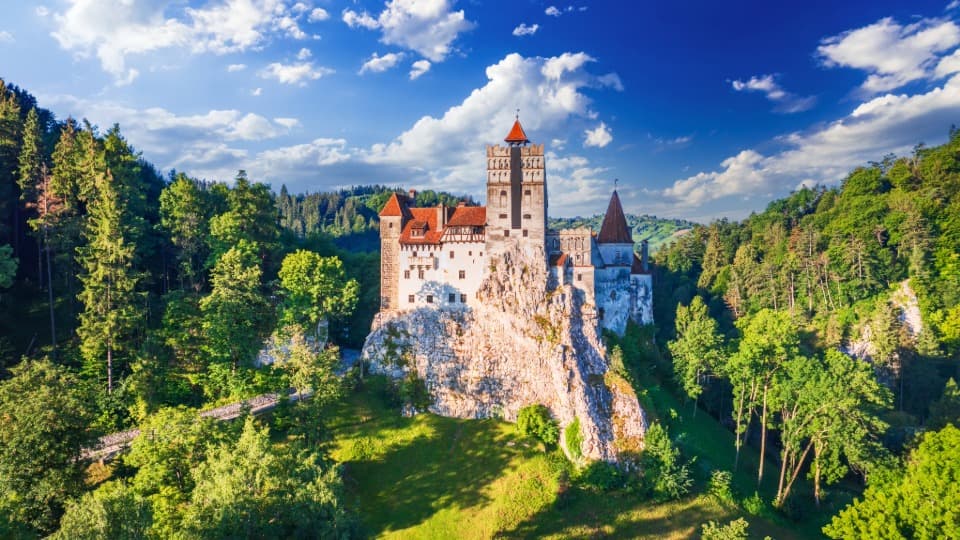
What makes Romania unique?
Romania stands out above all for its diverse landscapes and rich cultural heritage. The Carpathian Mountains, medieval towns in Transylvania, and the UNESCO-protected Danube Delta make the country particularly distinctive. It is precisely this blend of mountains, cultural heritage, unspoiled countryside, and urban transformation that constitutes one of Romania’s strongest locational advantages.
In detail:
- The Carpathians as a defining natural landscape
- Transylvania with a strong historical identity
- The Danube Delta as a UNESCO World Heritage Site
- Great scenic diversity in a relatively small area
- Medieval towns and villages with strong character
- Nature and culture are often close together
Tip for expats: Don’t just use your first few weeks in Romania for registration and apartment hunting—also take advantage of them for targeted weekend trips to different regions. Those who experience Bucharest, Transylvania, and, if possible, the Danube Delta will more quickly develop a realistic sense of where to make their home.
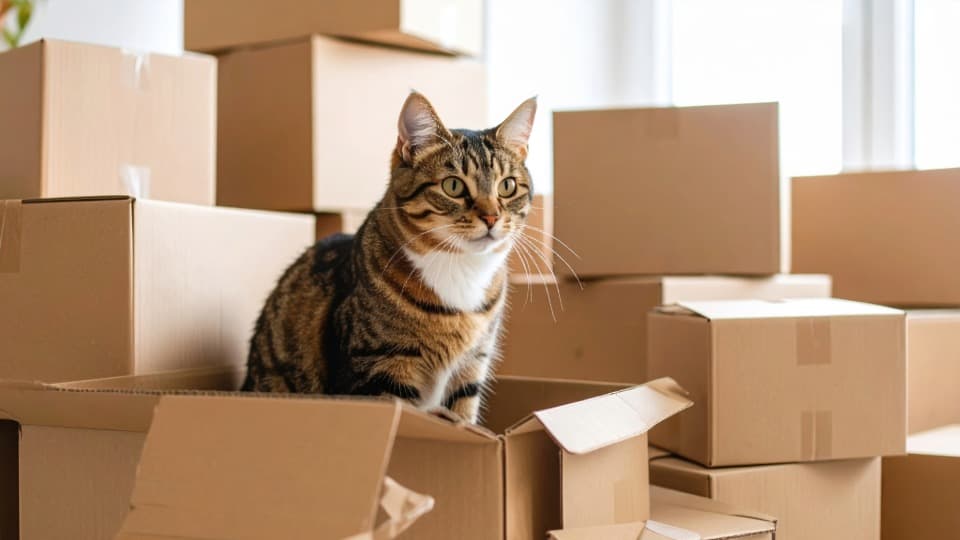
What should you keep in mind when moving to Romania with pets?
Moving with pets to Romania is generally quite feasible because EU regulations apply. The most important requirements are a microchip, a valid rabies vaccination, and the correct travel documents. Additional requirements may apply for other types of animals or for entries from non-EU countries.
What you should keep in mind:
- Check vaccination status well in advance; rabies vaccination is mandatory
- Prepare complete veterinary documentation
- Get the pet carrier used to it before the flight
- Coordinate entry and flight requirements
- Minimize stress for the pet on moving day
- Actively support the animal’s adjustment to the new home
- Microchip required
Tip for expats: Accuracy is key when moving pets to Romania. Vaccination status, microchip, and documents should be fully coordinated before transport to avoid unnecessary delays at the border.

For whom is Romania a suitable destination for emigration?
Romania is particularly well-suited for people who want to combine EU regulations, moderate costs, and a relatively affordable cost of living with cultural diversity. The country is especially suitable for remote workers, self-employed individuals, professionals in urban centers, well-organized families, and expats who not only want to live affordably but are also open to moving around the region.
Checklist before moving to Romania:
✓ Check entry requirements and residency regulations for Romania
✓ Secure health insurance and medical care in Romania
✓ Determine a suitable place of residence in Romania and arrange initial housing
✓ Plan an emigration budget for Romania, including a buffer
✓ Prepare thoroughly for the move to Romania with household goods and documents
✓ Learn basic Romanian to make daily life easier
Conclusion: Romania stands out with its EU framework, comparatively moderate cost of living, and an exciting mix of city life, nature, and tradition. The country is particularly attractive to people who think flexibly, are open to different regions, and are looking for a well-planned fresh start within Europe.
FAQs for emigrating to Romania
Do I need a visa to move to Romania?+
German citizens do not need a visa to enter Romania. However, anyone wishing to live in Romania for more than three months must register their stay.
Do I have to register in Romania if I move there?+
Yes. While EU citizens may initially stay in Romania for up to three months without having to register their residence, registration is required for longer stays.
Is Romania part of the Schengen Area?+
Yes. Romania has been a full member of the Schengen Area since January 1, 2025, including its land borders.
Is Romania a good country to emigrate to?+
Romania can be a very attractive destination for expats because it combines EU regulations, moderate living costs, and growing economic hubs. However, daily life and quality of life depend heavily on the region, place of residence, and personal preparation.
Is Romania safe for expats?+
Overall, Romania is considered a relatively safe country. In everyday life, pickpocketing, petty crime in cities, and regional natural hazards are more common than serious violent crime.
Do I need to know Romanian if I want to move to Romania?+
Yes, knowing Romanian is definitely an advantage in everyday life. In larger cities, English often gets you by, but Romanian is still much more helpful when dealing with government agencies, in daily life, and for deeper integration.
Can I move to Romania with my dog or cat?+
Yes, moving to Romania with a dog or cat is generally quite feasible. It is particularly important to have a microchip, a valid rabies vaccination, and the proper EU travel documents.
Are you interested in moving to Romania or another destination country?
Then do not hesitate and contact us today.

Related topics
Relocation Service for Individuals
With our relocation service for private individuals, DACHSER & KOLB ensures a relaxed new start abroad and accompanies you throughout your private move from start to finish – personally, reliably, and worry-free.

Relocation Service for Expats
Support for international professionals during onboarding at the new destination. We assist your expats with home search, administrative procedures, and visa processes for a fully secure and smooth “soft landing”.
International Move
Have you been bitten by the travel bug and would like to emigrate? Then you have come to the right place and your belongings are in the best of hands. For many years there has been nothing we would rather do than organize international removals across continents. Whether by ship, by plane or over land.