
Emigrating to New Zealand
Visa, safety, costs, and climate in New Zealand: a reality check
Price Calculator
Price Calculator
A few steps to your personal price
Step 1 of 3
Don't know your moving volume? In the next step, simply describe your move in your own words — our AI estimates the volume for you.
- Route
- Size
- Contact
Where is your move going?
Enter the loading and unloading address — we calculate the route for your move.
Don't know your moving volume? In the next step, simply describe your move in your own words — our AI estimates the volume for you.
- Truck
- Container
- Plane
Non-binding and free — a survey only comes if you want one.
Emigrating to New Zealand: The most important answers first
✓ Visa-free entry: Short stays of up to 3 months are possible with an NZeTA; longer stays require the appropriate visa.
✓ Stable economy: Opportunities are available primarily in services, agriculture, construction, and knowledge-based professions.
✓ Security situation generally stable: Petty theft is common in everyday life, but natural hazards are a greater concern.
✓ Healthcare system conditional: Public benefits are not automatically available to everyone; private insurance is often advisable.
✓ Climate varies by region: Subtropical in the north, cooler in the south, with rapid weather changes.
✓ Language skills: English dominates daily life; Māori culture is visibly embedded in public life.
✓ Special feature: Two islands, extreme natural diversity, and Māori culture make New Zealand unique.
✓ Moving with pets: Thorough preparation, permits, tests, and often quarantine are mandatory.
Make moving easy with DACHSER & KOLB. Use the moving cost calculator. Get a quote and consultation. Book a tour. Move.
Facts about New Zealand

Capital City
Wellington

Population
5.12 million

Surface Area
166,540.53 mi² or 268,021 km²

Continent
Australia and Oceania

Official Language
Māori, English, New Zealand Sign Language

Currency
New Zealand dollar (NZD)

What are the customs, visa, and entry requirements for New Zealand?
Travelers with a German passport heading to New Zealand must obtain an NZeTA in advance and are generally granted visa-waiver status upon entry for up to three months per stay. A total of up to six months is permitted within a 12-month period. Those who wish to work, stay permanently, or relocate their primary residence need an appropriate work or residence visa.
Documents required for entry:
- Passport: Yes
- Temporary passport: Yes
- ID card: No
- Temporary ID card: No
- Child passport: Yes
Tip for expats: In New Zealand, clarify your residency status first, then plan your move. If you prepare your NZeTA, visa application, place of residence, and household goods simultaneously, you’ll avoid unnecessary delays later on.
What are the economic conditions and standard of living like in New Zealand for expats?
New Zealand is economically smaller than many traditional emigration destinations, but it is stable and well-organized. New Zealand offers favorable conditions, but it is not a low-cost country. Housing and living expenses, in particular, are higher than many emigrants would expect.
Key facts at a glance:
- Solid growth, averaging 0.5–1% GDP growth per year (1986–2025).
- Income distribution: Gini coefficient = 31.8 (0 = perfect equality; 100 = maximum inequality)
- Stable economy with high purchasing power
- Key sectors: Services, agriculture and food industry, tourism, construction, and knowledge-based professions
- Auckland and Wellington generally offer more opportunities but are more expensive
- Smaller cities are often more affordable but have a smaller job market
- Housing costs remain a key factor in daily life
- Imported products can be significantly more expensive
Tip for expats: New Zealand is economically attractive, but that doesn’t automatically mean it’s affordable. Rent, transportation costs, private health insurance, and a financial cushion should be factored in from the start and taken into account when choosing where to live.
Safety in New Zealand: What do expats need to know?
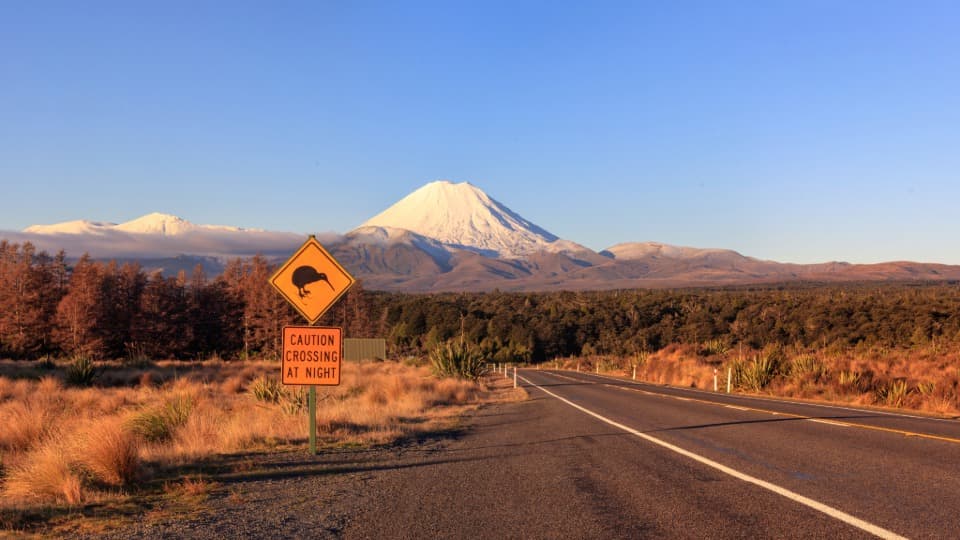
New Zealand is generally considered a relatively safe country. In everyday life, petty theft, car break-ins, and other issues requiring caution are more common than serious violent crime. For many expats, natural hazards such as earthquakes, volcanoes, floods, and severe weather events are a greater concern than traditional safety issues.
What expats should know:
- Security situation generally stable
- Secure valuables in vehicles and at tourist hotspots
- Earthquake risk affects the entire country
- Volcanoes are particularly relevant in parts of the North Island
- Heavy rain, floods, and landslides can affect daily life in certain regions
- Natural hazards should be considered when choosing a place to live and planning for emergencies
Tip for expats: In New Zealand, safety is often less a matter of crime and more a matter of preparation. Those who take their emergency plan and local natural hazards seriously will live a much more relaxed life.

What is the healthcare system like in New Zealand?
New Zealand’s healthcare system is publicly funded, but it is not automatically fully accessible to every newcomer. Publicly funded healthcare services are available only to certain groups of people, such as residents, citizens, and some visa holders with the appropriate status or a longer period of stay. For many immigrants, private health insurance is therefore a wise choice.
At a glance:
- publicly funded care is status-dependent
- Residents and certain long-term visa holders have better access
- Family doctors and primary care play a major role in daily life
- private coverage can reduce wait times and gaps in care
- Outside major urban centers, healthcare services are less readily available
- Thorough preparation for choosing insurance and a doctor saves trouble later
Tip for expats: Always consider your residency status when planning healthcare in New Zealand. Clarifying before you move whether public benefits apply and what private coverage is necessary helps prevent gaps immediately after arrival.
Are you planning to move to New Zealand?
With structured preparation, you can avoid financial surprises. Our moving cost calculator provides clarity — it's simple, convenient, and takes just a few steps.
What is the climate like in New Zealand?
New Zealand does not have a uniform climate. The north has a subtropical climate, while the south is significantly cooler, with alpine conditions in the mountainous regions. The seasons, wind, rain and temperature differ noticeably between the North and South Islands, which directly affects housing, transportation, and leisure activities.
What the climate means for your daily life:
- In the north, milder and often more humid
- In the far south, significantly cooler, sometimes with snow
- Mountain regions have alpine conditions
- Weather changes can be sudden and severe
- Wind is a daily reality in many regions
- Climate affects living comfort and travel more than many expect
Tip for expats: In New Zealand, never choose a place to live based solely on the landscape. Auckland, Wellington, Christchurch, and Queenstown offer very different climatic conditions in everyday life.
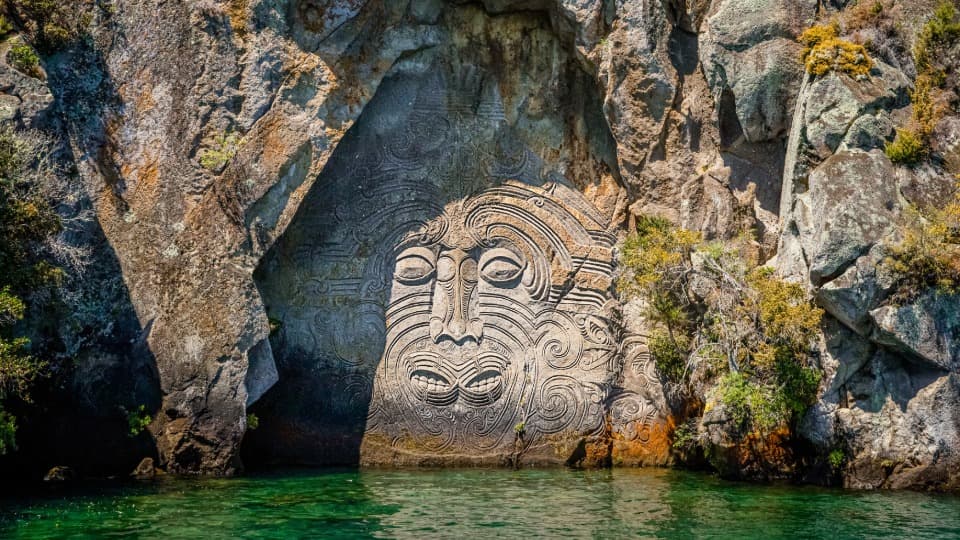
What shapes the language, culture and daily life in New Zealand?
In everyday life, English is the primary language. At the same time, Māori culture shapes the country far more significantly than many newcomers initially expect: te reo Māori is an official language, Māori culture is a visible part of public life, and many place names, values, and cultural references are firmly embedded in everyday life.
What really helps in everyday life:
- English is the most important everyday language
- te reo Māori is an official language
- Māori culture is an integral part of the country
- Place names, rituals, and cultural references are visible in public spaces
- Daily life often feels open, direct, and pragmatic
- Regional differences between the North and South Islands remain noticeable
Tip for expats: If you truly want to settle in New Zealand, you should not only have a solid command of English but also consciously notice Māori references in everyday life. This is precisely what often fosters a deeper understanding of the country, its people, and social customs.
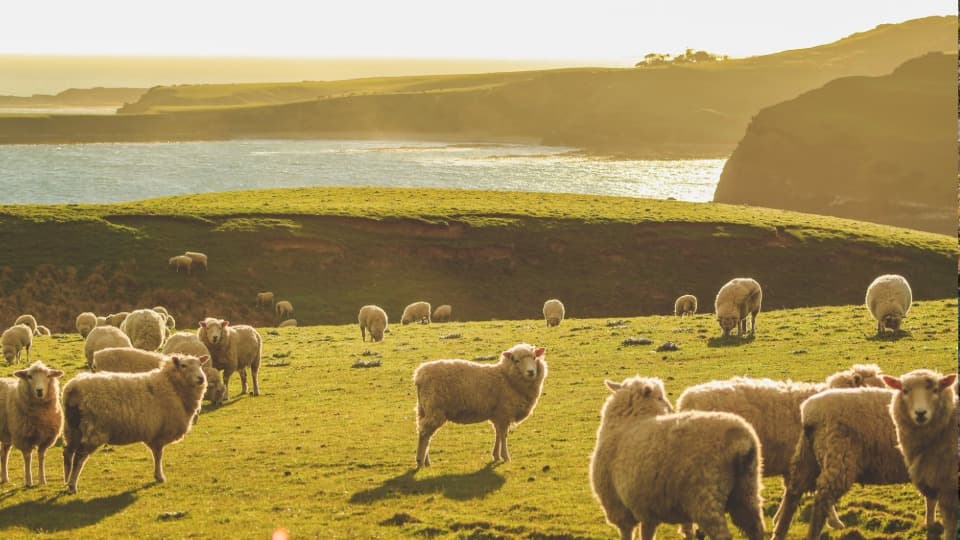
Māori culture, two islands, and incredible natural diversity – what makes New Zealand so special?
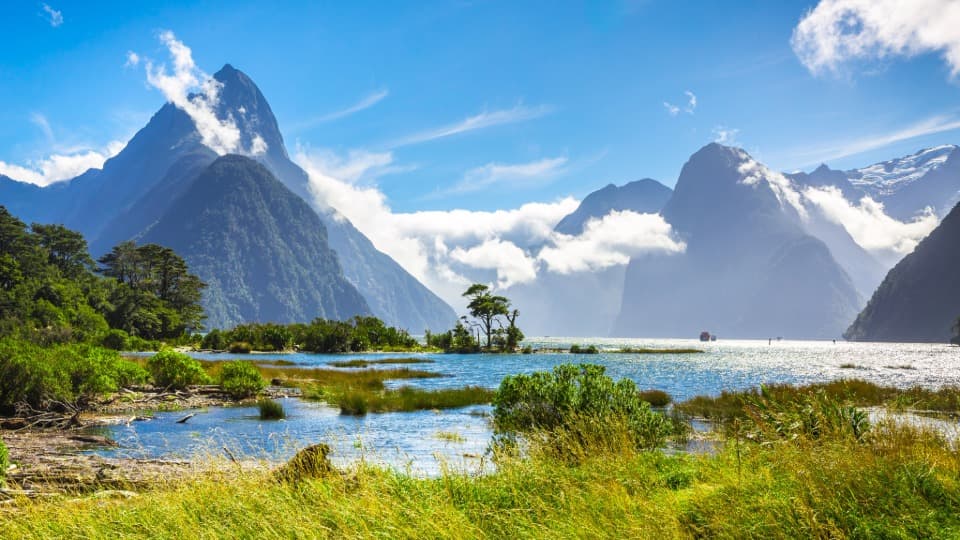
New Zealand stands out above all for its close connection between vibrant indigenous culture and extraordinary natural beauty. Two main islands, fjords, volcanoes, geothermal areas, coastlines, and mountains are all situated in close proximity within a relatively small country. It is precisely this blend of Aotearoa, Māori culture, and extreme scenic diversity that makes New Zealand so distinctive.
In detail:
- Māori culture visibly shapes identity and daily life
- The North and South Islands differ significantly in terms of landscape and culture
- Fjords, volcanoes, mountains, and coastlines are located in close proximity
- Rotorua represents the geothermal side of the country
- Fiordland and the South Island represent extreme natural landscapes
- Nature is not a marginal issue in New Zealand, but a reality of life
Tip for expats: Don’t just use your first few weeks in New Zealand for registration and house hunting, but also for specific weekend trips to both islands. Those who consciously experience a second region in addition to their new place of residence will develop a realistic sense of where to settle down more quickly.

What should you bear in mind when moving to New Zealand with animals?
Moving with pets to New Zealand is generally possible, but the regulations are significantly stricter than in many other countries. The biosecurity requirements are high: depending on the country of origin, the type of animal, and the route, an import permit, veterinary records, tests, and quarantine may be required. For most dogs and cats, a quarantine period of at least ten days must also be planned for.
What you should keep in mind:
- Check vaccination status well in advance
- Prepare complete veterinary documentation
- Get your pet used to the carrier before the flight
- Coordinate entry and flight requirements
- Minimize stress for your pet on moving day
- Actively support the pet’s adjustment to the new home
- Strict biosecurity rules for dogs and cats
- Quarantine is mandatory in many cases
Tip for expats: When moving pets to New Zealand, precision matters more than speed. Those who coordinate tests, permits, quarantine facilities, and travel plans early avoid costly delays.

For whom is New Zealand a suitable destination for emigration?
New Zealand is particularly well-suited for people who want to combine nature, stability, and an English-speaking environment with a high quality of life. The country is especially suitable for skilled professionals, young adults interested in working holidays, families with a clear plan, and expats seeking a quieter, nature-oriented lifestyle.
Checklist before emigrating to New Zealand:
✓ Check entry requirements and residency regulations for New Zealand
✓ Secure health insurance and medical care in New Zealand
✓ Determine a suitable place to live in New Zealand and arrange initial accommodation
✓ Plan an emigration budget for New Zealand, including a buffer
✓ Carefully prepare for the move to New Zealand, including household goods and documents
✓ Use English and be more mindful of Māori cultural references in daily life.
Conclusion: New Zealand stands out for its stability, connection to nature, and a very well-organized daily life. The country is particularly attractive to people seeking an English-speaking environment, a high quality of life, and a mindful, nature-oriented lifestyle.
FAQs for emigrating to New Zealand
Do I need a visa to emigrate to New Zealand?+
Yes. While German citizens can make short-term visits using the NZeTA or the Visa Waiver Program, they need the appropriate visa for work, permanent residence, or longer stays.
How long can I stay in New Zealand without a visa?+
With a German passport, stays of up to 3 months are generally permitted. The total duration may not exceed 6 months within a 12-month period.
Do I need an NZeTA for New Zealand?+
Yes. Travelers from a Visa Waiver Program country, such as Germany, must obtain a valid NZeTA before departure.
Is New Zealand a good place to emigrate to?+
New Zealand can be a very attractive destination for emigrants because it offers stability, a high quality of life, and an English-speaking environment. At the same time, daily life and quality of life depend heavily on where you live, your budget, your visa status, and access to healthcare.
How does the healthcare system work in New Zealand?+
Publicly funded healthcare services in New Zealand are means-tested. Access is available to citizens, residents, and certain visa holders with long-term residency rights, among others. Many newcomers therefore need private health insurance at first.
Is New Zealand safe for expats?+
New Zealand is generally considered a relatively safe country. In everyday life, car break-ins and petty theft are the main concerns. For many expats, however, natural hazards such as earthquakes, floods, landslides, and volcanic eruptions are a greater concern.
Can I move to New Zealand with my dog or cat?+
Yes, that is possible, but it is strictly regulated. Depending on the country of origin and the animal, an import permit, veterinary documents, tests, and often a quarantine period are required. Only animals from Australia can enter the country under simplified conditions.
Are you interested in moving to New Zealand or another destination country?
Then do not hesitate and contact us today.

Related topics

Relocation Service for Individuals
With our relocation service for private individuals, DACHSER & KOLB ensures a relaxed new start abroad and accompanies you throughout your private move from start to finish – personally, reliably, and worry-free.

Relocation Service for Expats
Support for international professionals during onboarding at the new destination. We assist your expats with home search, administrative procedures, and visa processes for a fully secure and smooth “soft landing”.

International Move
Have you been bitten by the travel bug and would like to emigrate? Then you have come to the right place and your belongings are in the best of hands. For many years there has been nothing we would rather do than organize international removals across continents. Whether by ship, by plane or over land.