
Emigrating to Morocco
Visa, safety, costs, and climate in Morocco: a reality check
Price Calculator
Don't know your moving volume? In the next step, simply describe your move in your own words — our AI estimates the volume for you.
- Route
- Size
- Contact
Where is your move going?
Enter the loading and unloading address — we calculate the route for your move.
Don't know your moving volume? In the next step, simply describe your move in your own words — our AI estimates the volume for you.
- Truck
- Container
- Plane
Non-binding and free — a survey only comes if you want one.
Emigrating to Morocco: The most important answers first
✓ Visa-free entry: Entry without a visa is possible for up to 90 days; longer stays must be arranged separately.
✓ Strong economic ties: Opportunities primarily in industry, logistics, tourism, services, and renewable energy.
✓ Security situation generally stable: Many cities and regions are safe; exercise caution in border areas and Western Sahara.
✓ Two-tiered healthcare system: Private care is good in major cities but significantly weaker in rural areas.
✓ Climate varies greatly by region: Mild along the coast, drier and hotter inland, and more extreme in mountainous and desert areas.
✓ Language skills: Arabic and Tamazight are official languages; French is often much more helpful in daily life.
✓ Special feature: Morocco connects Africa, Europe, and the Arab world with a highly distinctive culture.
✓ Moving with pets: Microchips, rabies vaccinations, and health certificates should be arranged well in advance.
Make moving easy with DACHSER & KOLB. Use the moving cost calculator. Get a quote and consultation. Book a tour. Move.
Facts about Morocco

Capital City
Rabat

Population
37.46 million

Surface Area
441,701.71 mi² or 710,850 km²
Continent
Africa

Official Language
Arabic, Tamazight

Currency
Moroccan Dirham (MAD)
What are the customs, visa, and entry requirements for Morocco?
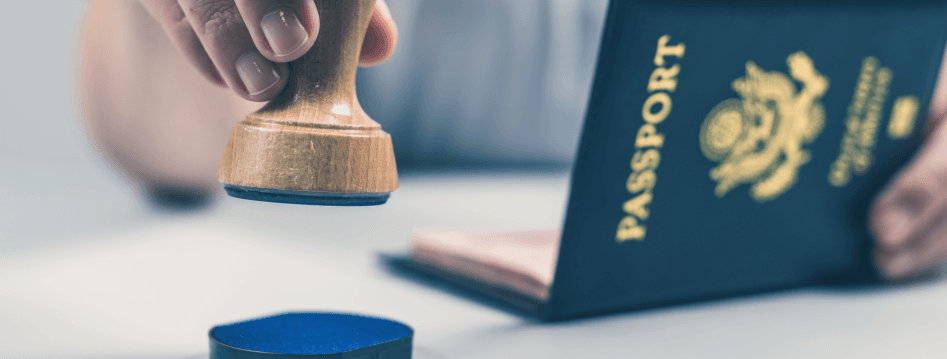
German citizens do not need a visa for tourist or business stays of up to 90 days; after that, a visa is required. In addition, travel documents must be in perfect condition, as damaged passports will result in refusal of entry. When it comes to customs, Morocco is more formal than many expect: cash limits, bans on certain items, and accurate declarations should be checked well in advance of the move.
Documents required for entry:
- Passport: Yes
- Temporary passport: Yes
- ID card: No
- Temporary ID card: No
- Child passport: Yes
Tip for expats: Morocco seems straightforward upon entry, but only at first glance. Those planning to stay longer should sort out residency, documents, and import issues early on to ensure that a smooth start doesn’t turn into an administrative detour.
What are the economic conditions and standard of living like in Morocco for immigrants?
Morocco is economically far more interesting than many might think at first glance. The country positions itself as a manufacturing and export hub with close ties to Europe. Key sectors include industry, construction, logistics, energy, automotive, medical technology, tourism, and digital services. This makes Morocco significantly more attractive to entrepreneurs, skilled workers, and international projects than many other countries in the region.
Key facts at a glance:
- A growing economic hub, even by EU standards, with an average GDP growth of 3–4% per year (1999–2025).
- Income distribution: Gini coefficient = 39.5 (0 = perfect equality; 100 = maximum inequality)
- Strong connections to Europe
- Opportunities in industry, logistics, tourism, and services
- Expansion of energy and infrastructure projects
- Offshoring and digital services are also gaining importance
Tip for expats: Morocco is not an economic sure thing, but it is a market with substance. Those who successfully align location, language, network, and business model have significantly better prospects here than in purely consumption-driven expat markets.
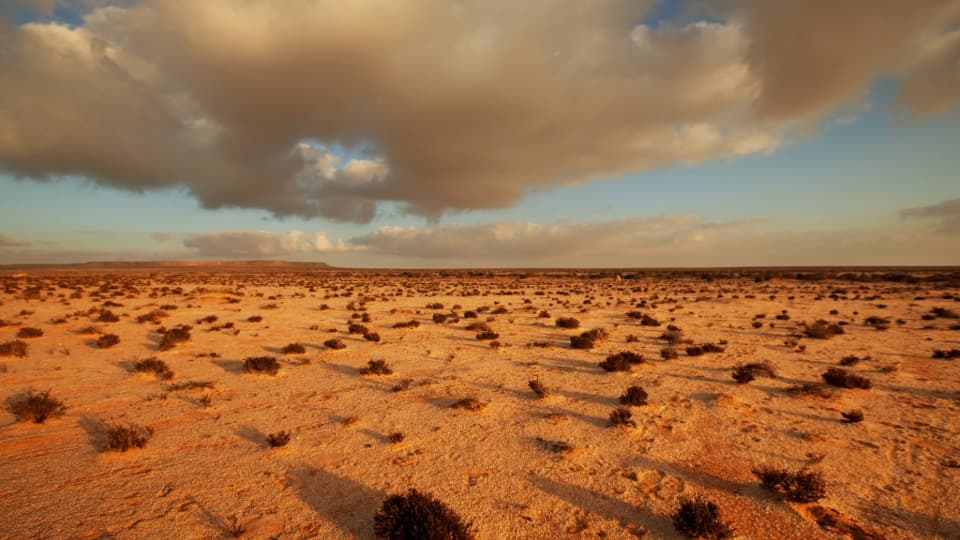
Safety in Morocco: What do expats need to know?
Compared to other countries in the region, Morocco is generally considered stable, but should not be viewed naively. Travel to Western Sahara and the immediate border region with Algeria is strongly discouraged. In tourist centers and historic old towns, there is also an increased risk of theft, robbery, and harassment. Morocco is generally safe, but one should carefully choose where to live, which routes to take, and how to conduct oneself in daily life.
What expats should know:
- Political situation generally stable
- Avoid Western Sahara
- Avoid the border region with Algeria
- Increased risk of theft in medinas
- Avoid driving at night if possible
- Safety awareness is important in daily life
Tip for expats: In Morocco, it’s not just the country that matters, but above all your location within the country. Those who do not romanticize their living situation, travel routes, and daily routines but plan them strategically significantly reduce future risks.

What is the healthcare system like in Morocco?
The healthcare system in Morocco is available to expatriates, but it is clearly divided into two distinct categories. In cities such as Rabat, Casablanca, Tangier, and Fès, there are good private clinics that meet high standards. In rural areas, however, medical care is less developed, both in terms of facilities and staffing. For entry into the country, several travel vaccinations are recommended, as is good private health insurance that covers medical repatriation.
At a glance:
- No mandatory vaccinations for direct entry from Germany
- Travel vaccinations recommended depending on the length of stay
- Good private clinics in major cities
- Rural care significantly weaker
- Drinking water and food hygiene important
- Private health insurance strongly recommended
Tip for expats: Anyone planning to live in Morocco long-term should consider health beyond just costs. A good insurance policy, access to clinics in the destination region, and a robust emergency plan make the difference between acceptable and truly sustainable preparation for emigration.
Are you planning to move to Morocco?
With structured preparation, you can avoid financial surprises. Our moving cost calculator provides clarity — it's simple, convenient, and takes just a few steps.
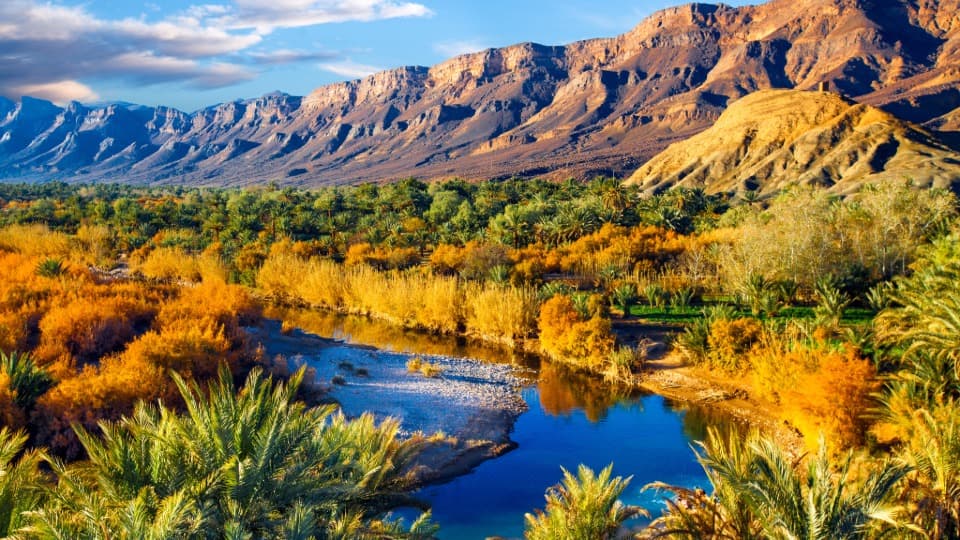
Climate in Morocco: How do the weather, temperatures, and rainy seasons differ?
Cyprus offers Mediterranean conditions with lots of sunshine, mild winters, and hot summers, although there are significant differences between the coast, inland areas, and the Troodos Mountains.
What the climate means for your everyday life:
- Mediterranean climate
- Mild winters, hot summers
- Lots of sunshine throughout the year
- Coastal areas usually more pleasant than inland areas
- Nicosia is often particularly hot in summer
- Snow in the Troodos Mountains in winter
- Consider summer heat, forest fires, and extreme weather
Tip for expats: The heat in Cyprus is often underestimated. If you want to live there permanently, you should not only consider the sea view, but also the microclimate, building standards, shade, and suitability for everyday life in midsummer.
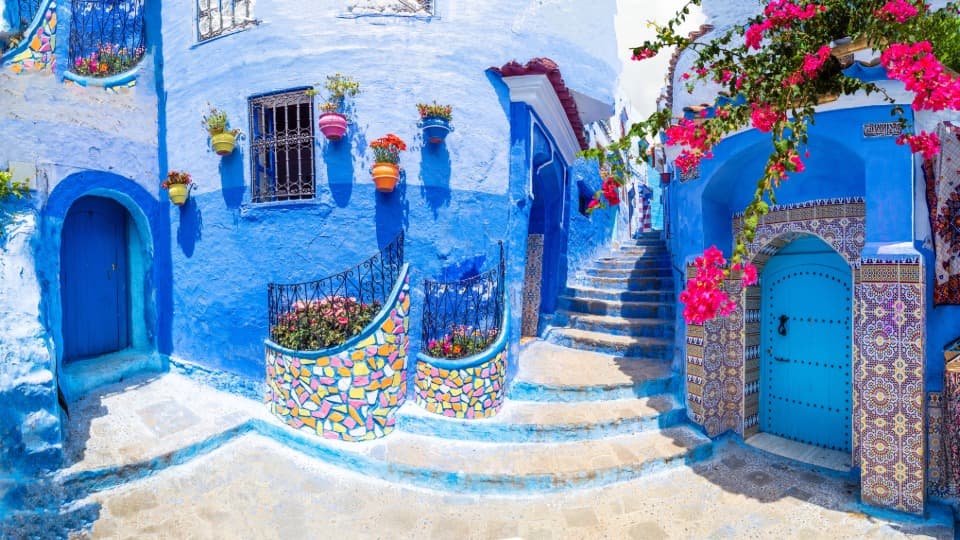
Diversity in Morocco? – Language, culture, and everyday life
Morocco offers linguistic flexibility: the official languages are Arabic and Tamazight, though French remains important in everyday life. English, however, is becoming increasingly significant. At the same time, Morocco is culturally more traditional than many European expats initially expect. Especially when it comes to public behavior, attitudes toward religion, and social norms, adaptability is more valuable than taking Western norms for granted.
What really helps in everyday life:
- Arabic and Tamazight are official
- French is often very helpful in everyday life
- English is on the rise, but not everywhere
- Culturally rather conservative
- Religion shapes the public sphere
- Regional differences are noticeable in daily life
Tip for expats: In Morocco, you’ll often get where you need to go faster in daily life with French than with English. Even more important, however, is cultural sensitivity – this helps avoid friction with government agencies, in your neighborhood, and in daily interactions.
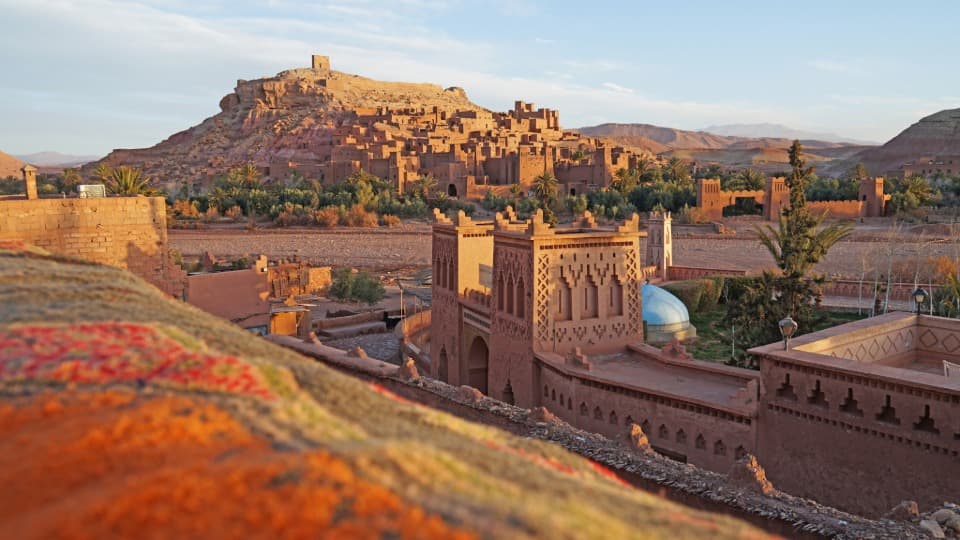
What makes Morocco so special?
Morocco bridges Africa, Europe, and the Arab world. It also boasts Atlantic and Mediterranean coastlines, the Atlas Mountains, the edge of the desert, historic medinas, and a strong sense of cultural identity. The old city centers, such as Fès and Marrakesh, as well as places like Jemaa el-Fna, are particularly distinctive. This blend makes the country truly unique.
In detail:
- Bridge between Africa and Europe
- Coasts on the Atlantic and Mediterranean
- Atlas Mountains and proximity to the desert
- Historic medinas with great charm
- Highly distinctive culture and craft traditions
- A strong blend of tradition and modernity
Tip for expats: Morocco isn’t just appealing because of its climate and proximity to Europe. The country has character, cultural depth, and a pace all its own—for many, this is the biggest plus, but for others, it’s also the biggest adjustment.
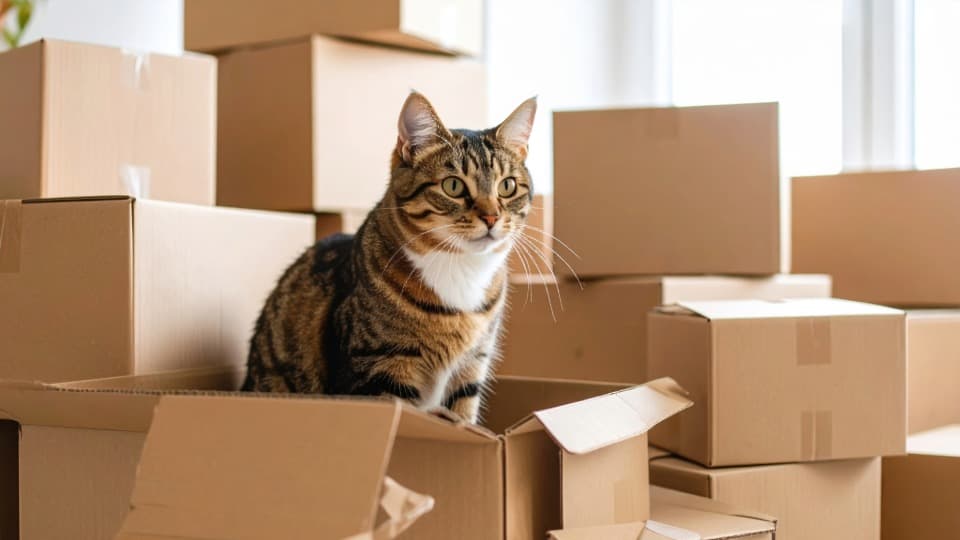
What should you bear in mind when moving to Morocco with animals?
Moving with pets to Morocco requires careful planning and good timing. For dogs and cats, permanent identification, a valid rabies vaccination, and a proper health certificate are essential. In addition, airline requirements and deadlines can significantly impact the process. Starting too late can create unnecessary stress right before departure.
What you should keep in mind:
- Check vaccination status early; rabies vaccination is mandatory
- Prepare complete veterinary documentation
- Get the pet carrier used to it before the flight
- Coordinate entry and flight requirements
- Minimize stress for the pet on moving day
- Actively support acclimatization at the new home
- Microchip or tattoo required; identification must be done before the rabies vaccination
- Health certificate required
Tip for expats: When moving a pet to Morocco, the distance isn’t the problem—it’s the paperwork. If you get your vaccination status, identification, health certificate, and airline approval sorted out early, you’ll avoid most common last-minute mistakes.
For whom is Morocco a suitable destination for emigration?
Morocco is particularly well-suited for people seeking proximity to Europe, a different climate, cultural diversity, and a realistic blend of practicality and international experience. Morocco is less suitable for those who expect German-style bureaucratic procedures, maximum social liberalism, and uniformly high medical standards everywhere.
Checklist before moving to Morocco:
✓ Check entry requirements and residency regulations for Morocco
✓ Secure health insurance and medical care in Morocco
✓ Determine a suitable place to live in Morocco and arrange initial housing
✓ Plan an emigration budget for Morocco, including a buffer
✓ Carefully prepare your move to Morocco with household goods and documents
✓ Make targeted use of French to make daily life there significantly easier
Conclusion: Morocco is an attractive destination for emigration, offering a strategic location, cultural depth, and promising prospects between Europe and Africa. Those who plan realistically, remain flexible regarding language, and thoroughly prepare their living arrangements, health, and residency will find a country here with genuine quality of life and substance.
FAQs for emigrating to Morocco
What do I need to consider when moving to Morocco?+
Anyone planning to move to Morocco should make sure to sort out entry requirements, residency status, health insurance, housing, budget, and language-related matters well in advance. Thorough preparation is especially crucial for longer stays to ensure a smooth transition into daily life.
What are the visa and entry requirements for Morocco?+
German citizens can generally enter Morocco without a visa for stays of up to 90 days. Those who wish to stay in Morocco longer or emigrate permanently must arrange their extended stay separately and should check that their travel documents are valid well in advance.
Is Morocco a safe country to emigrate to?+
Morocco is generally considered a relatively stable country, but expatriates should take regional differences seriously. Certain border areas and Western Sahara are particularly risky, while in cities and tourist areas, maintaining a high level of security awareness in daily life remains especially important.
What is the healthcare system like in Morocco?+
The healthcare system in Morocco is significantly better developed in major cities than in rural areas. For expats, therefore, a good private health insurance plan that provides reliable care and repatriation is a sensible form of protection.
What language is spoken in Morocco?+
The official languages of Morocco are Arabic and Tamazight. In everyday life and the workplace, French is also very useful in many areas, while English is becoming increasingly important, particularly in tourism and international contexts.
What is the climate like in Morocco?+
The climate in Morocco varies greatly depending on the region. It is generally milder along the coast, often hotter and drier inland, while mountainous regions and areas on the edge of the desert can be significantly more extreme.
Is it worth moving to Morocco?+
Moving to Morocco can be particularly appealing to people seeking proximity to Europe, plenty of sunshine, cultural diversity, and a new home with an international flair. Those who are flexible and open to learning the language, adapting to daily life, and embracing cultural differences will find Morocco to be a diverse destination for expats.
Are you interested in moving to Morocco or another destination country?
Then do not hesitate and contact us today.

Related topics

Relocation Service for Individuals
With our relocation service for private individuals, DACHSER & KOLB ensures a relaxed new start abroad and accompanies you throughout your private move from start to finish – personally, reliably, and worry-free.

Relocation Service for Expats
Support for international professionals during onboarding at the new destination. We assist your expats with home search, administrative procedures, and visa processes for a fully secure and smooth “soft landing”.
International Move
Have you been bitten by the travel bug and would like to emigrate? Then you have come to the right place and your belongings are in the best of hands. For many years there has been nothing we would rather do than organize international removals across continents. Whether by ship, by plane or over land.