
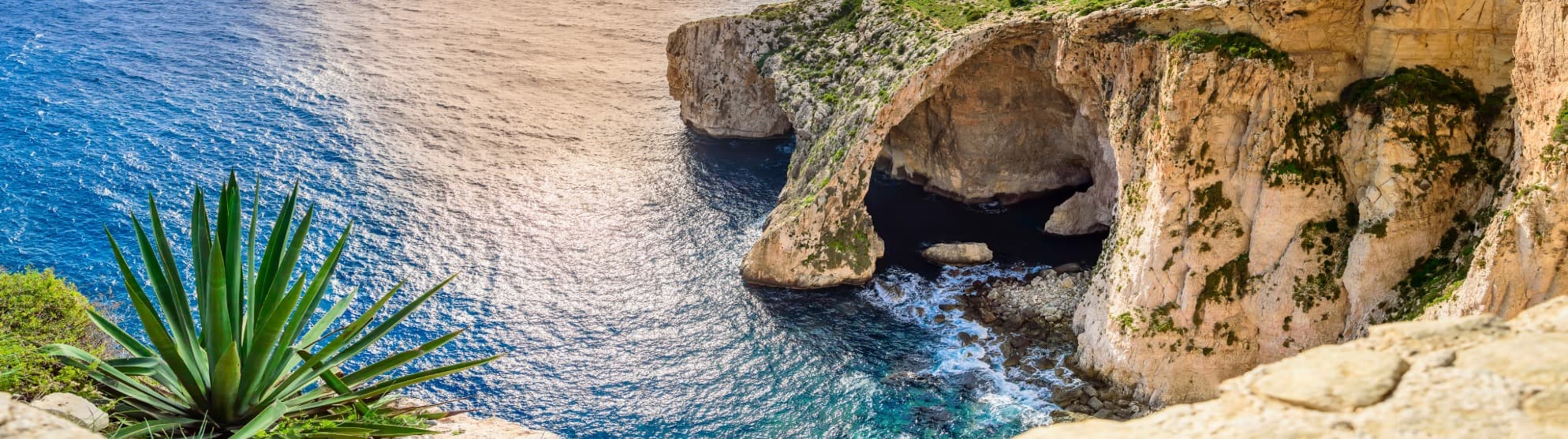
Emigrating to Malta
Visa, safety, costs, and climate in Malta: a reality check
Price Calculator
Price Calculator
A few steps to your personal price
Step 1 of 3
Don't know your moving volume? In the next step, simply describe your move in your own words — our AI estimates the volume for you.
- Route
- Size
- Contact
Where is your move going?
Enter the loading and unloading address — we calculate the route for your move.
Don't know your moving volume? In the next step, simply describe your move in your own words — our AI estimates the volume for you.
- Truck
- Container
- Plane
Non-binding and free — a survey only comes if you want one.
Emigrating to Malta: The most important answers first
✓ Visa-free entry: Entry is possible without a visa, but registration is required for longer stays.
✓ An internationally driven economy: Opportunities exist especially in services, tourism, and skilled professions.
✓ A generally stable security situation: Keep an eye on crime mainly in tourist hotspots.
✓ A well-developed healthcare system: Public healthcare is solid, but private additional coverage is often advisable.
✓ A sunny and very mild climate: Hot summers, short winters, and plenty of sunshine.
✓ Language skills: Everyday life is highly English-friendly, but Maltese is still a cultural advantage.
✓ What makes it stand out: Mediterranean island culture meets an EU framework and an English-speaking environment.
✓ Moving with pets: Good preparation and pre-notification before entry are required.
Relocating made easy with DACHSER & KOLB. Use our moving cost calculator. Get a quote and consultation. Book a tour. Move.
Facts about Malta

Capital City
Valletta

Population
574,250

Surface Area
122 mi² or 316 km²
Continent
Europe

Official Language
Maltese, English

Currency
Euro (EUR)
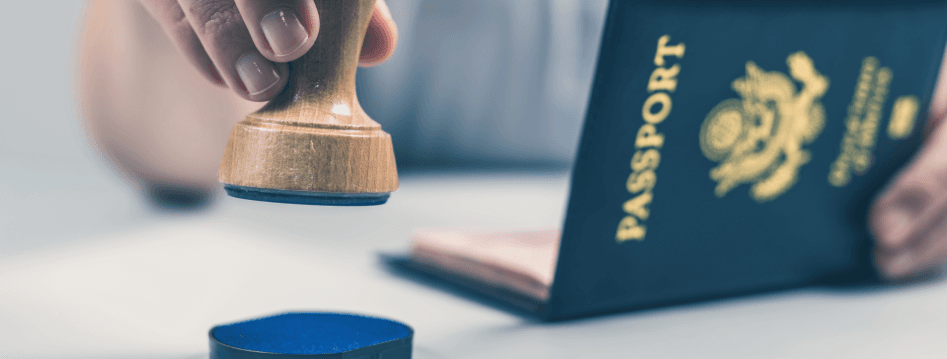
What are the customs, visa, and entry requirements for Malta?
For German citizens, entry into Malta is straightforward: a passport or ID card is sufficient, and no visa is required. For EU citizens, however, longer stays become relevant because after more than three months, registration of residence rights and the application for an eResidence document become mandatory.
Documents required for entry:
- Passport: Yes
- Temporary passport: Yes
- National ID card: Yes
- Temporary national ID card: Yes
- Child passport: Yes
Tip for expats: Malta may look formally easy as an EU destination, but registration and residence logic should still be handled early. Only once the legal framework is in place should housing, job start, and the move itself be finalized.
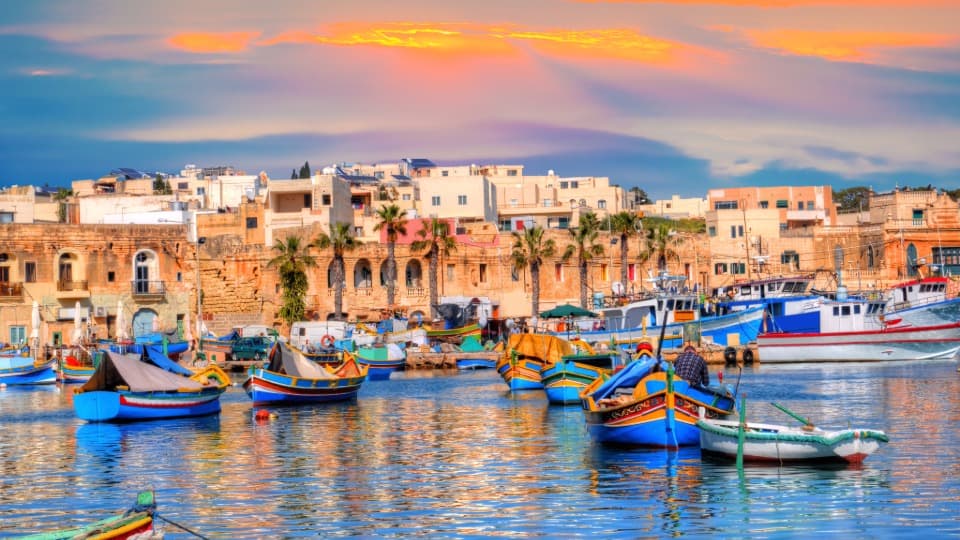
Is Malta economically attractive?
Malta’s economy is strongly international and relies on foreign workers. The country has a low unemployment rate and a shortage of skilled workers across many sectors. At the same time, housing costs and general living expenses are rising noticeably, which makes Malta economically attractive, but not automatically cheap.
Key facts at a glance:
- Strong growth, also compared with the EU, with average GDP growth of 4–5% per year (2001–2025).
- Income distribution: Gini coefficient = 31.8 (0 = perfect equality; 100 = maximum inequality)
- Low unemployment rate
- Shortage of skilled workers in many areas
- Tourism remains a strong sector, while international services are also relevant
- Many foreign employees in the market
- Plan housing costs realistically
Tip for expats: Sunshine and English are not enough as a decision-making basis for Malta. Whether a fresh start works depends above all on salary, rent, coverage, and the right residential location.
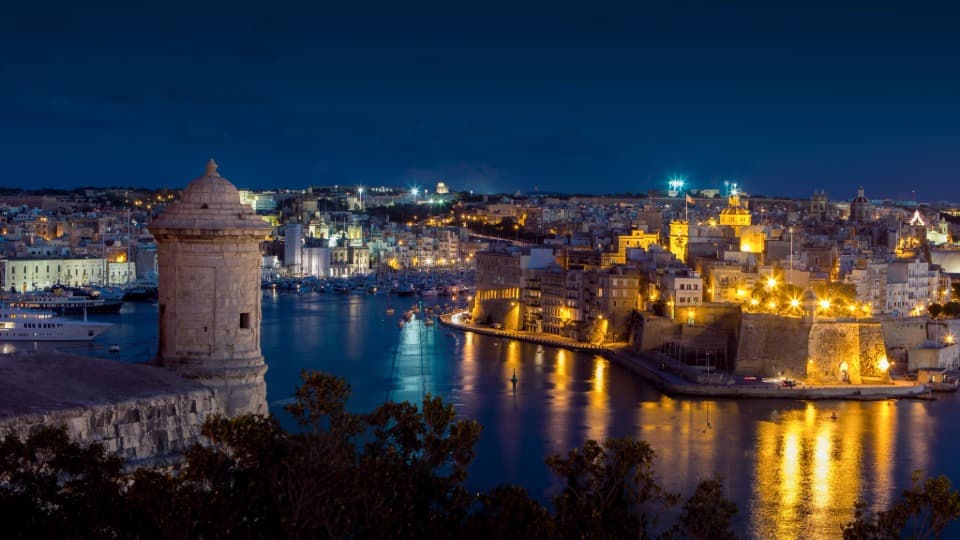
Safety in Malta: What do expats need to know?
Malta is generally a safe emigration destination, but it is not free from everyday risks. There are warnings regarding organized theft and burglary, fraud, and pickpocketing in tourist-heavy areas, especially around Paceville and on heavily used bus routes. In bars, isolated incidents involving drink spiking can also occur. In addition, natural risks such as autumn storms, flooding, and the country’s seismic location also play a role.
What expats should know:
- Crime mainly in hotspots
- Pickpocketing on buses and in tourist zones
- Do not underestimate bars and nightlife
- Organized groups are locally relevant
- Natural hazards, such as autumn storms, heavy rain, and the seismically active setting, should be kept in mind
Tip for expats: Security is rarely a major issue in Malta, but staying alert still makes sense. Anyone who assesses busy zones, nightlife areas, and weather conditions with sound judgment can keep everyday risks well under control.

What is the healthcare system like in Malta?
Malta has a well-functioning public healthcare system with health centers and public hospitals, supplemented by private clinics. For EU citizens, the European Health Insurance Card (EHIC) is relevant for temporary stays. In everyday life, however, what matters is whether your entitlement to public healthcare is clearly established and whether additional private coverage makes sense.
At a glance:
- Public healthcare system in place
- Good basic medical care
- Public and private providers operating side by side
- EHIC (European Health Insurance Card) is relevant for temporary stays, but is only accepted in state facilities
- Private additional coverage is often advisable
- Costs in private practices usually need to be paid upfront
Tip for expats: In Malta, healthcare is above all a structural issue. Anyone who clarifies early which public healthcare applies and where private coverage is needed will save time, money, and uncertainty later on.
Are you planning to move to Malta?
With structured preparation, you can avoid financial surprises. Our moving cost calculator provides clarity — it's simple, convenient, and takes just a few steps.
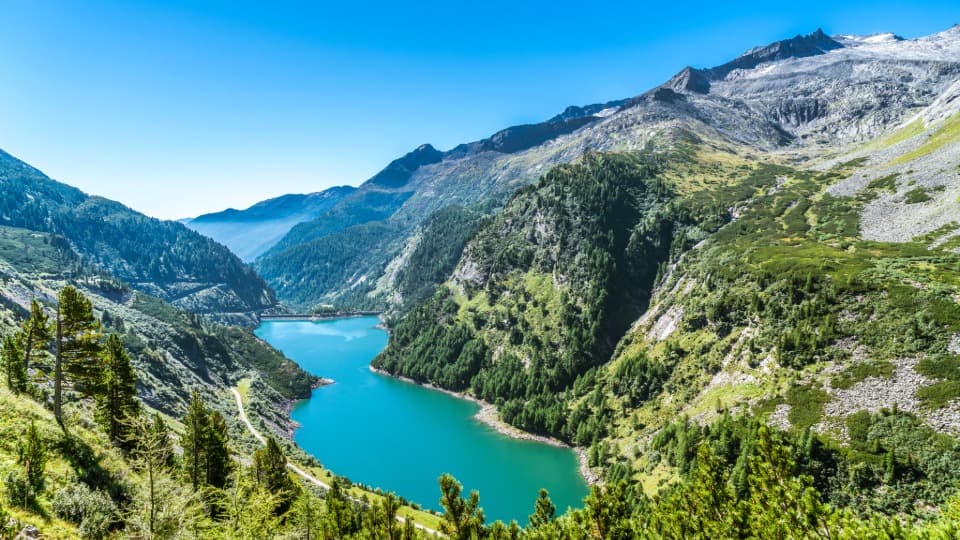
What is the climate like in Malta?
Malta has a clear Mediterranean climate with long, hot summers and mild winters. There are many sunny days and generally pleasant weather throughout the year. At the same time, from August to November in particular, severe autumn storms up to and including medicanes, as well as flooding and landslides, are possible.
What the climate means for your daily life:
- Mediterranean climate
- Long, hot summers
- Winter is usually mild
- Many sunny days throughout the year
- Autumn storms are possible
- Heavy rain and flooding are possible
Tip for expats: Malta clearly scores with its climate, but expectations should still remain realistic. Anyone who takes heat, humidity, and seasonal weather extremes into account will plan arrival and everyday life much more reliably.

What shapes language, culture, and daily live in Malta?
Malta has two official languages: Maltese and English. That makes the transition much easier for German-speaking expats than in many other Mediterranean countries. At the same time, Malta remains culturally distinct: island traditions, a Mediterranean lifestyle, a strong sense of community, and the typical village festas with music, fireworks, and local celebrations visibly shape everyday life.
What really helps in everyday life:
- English is highly present in everyday life
- Maltese remains culturally important
- Bilingualism makes getting started easier
- Village festas shape many localities
- Island life is strongly community-oriented
- Gastronomy and coastal life are part of the local way of life
Tip for expats: In Malta, English helps enormously at the beginning. Truly settling in works better, however, when you also engage with the local culture and take part in local festivities.
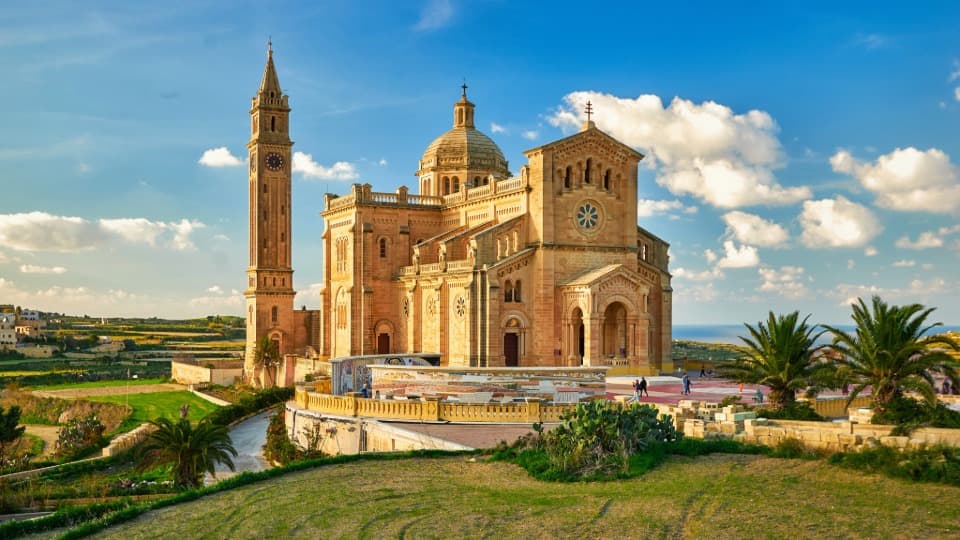
What makes Malta special?
Malta stands out through a rare mix of Mediterranean lifestyle, English-speaking everyday life, and an EU framework. The island state is small, but dense: historic cities, coastal towns, Gozo, Mediterranean cuisine, and a sunny environment throughout the year all lie close together and make the country especially attractive for many expats.
In detail:
- English-speaking EU country
- Mediterranean island culture
- Short everyday distances
- Valletta and Gozo as strong contrasts
- History, sea, and daily life close together
- High quality of life in a compact space
Tip for expats: Malta is especially suitable for people who want to combine Europe, the sea, and international working life. That exact mix is the country’s strongest location advantage.

What should you bear in mind when moving to Malta with animals?
A move with pets to Malta is well manageable, but more formal than in many other EU destination countries. Malta operates under the Pet Travel Scheme, requires pre-notification of entry, and checks pet documents carefully. Anyone who starts too late with the microchip, rabies vaccination, and notification risks unnecessary delays.
What you should keep in mind:
- Check your pet’s vaccination status early, as rabies vaccination is mandatory
- Prepare pet documentation completely and follow the Pet Travel Scheme
- A microchip is required
- Train your pet to use the travel crate before the flight
- Coordinate entry requirements and airline regulations, as pre-notification before entry is required
- Minimize stress for your pet on moving day
- Actively support your pet’s adjustment to the new home
Tip for expats: Moving pets to Malta is very manageable, but it does require planning. Anyone who handles the formalities early avoids unnecessary stress for themselves and for the animal.

For whom is Malta a suitable destination for emigration?
Malta is especially well suited to EU citizens, skilled professionals with an international profile, people working in English-speaking environments, and anyone looking for sunshine, short distances, and a Mediterranean setting. It is less suitable for anyone expecting large living spaces at low prices or wanting to move into highly sought-after areas without a solid rental budget.
Checklist before emigrating to Malta:
✓ Check entry requirements and residence regulations for Malta
✓ Secure health insurance and medical care coverage in Malta
✓ Choose the right place to live in Malta and arrange your initial accommodation
✓ Plan your emigration budget for Malta, including a financial buffer
✓ Prepare your move to Malta carefully, including household goods and documents
✓ Use English and actively get to know Maltese everyday culture
Conclusion: Malta is an attractive emigration destination for anyone looking for a sunny EU country with an international environment and short distances. The combination of English-speaking everyday life, a stable economy, Mediterranean climate, and high quality of life is what makes this island state especially appealing.
FAQs for emigrating to Malta
Do I need a visa for Malta?+
No. German citizens can enter Malta with a valid passport or ID card. Anyone wishing to stay longer than three months, however, must prove as an EU citizen that they are exercising their right of free movement and apply for an eResidence document.
What do I need to pay particular attention to when emigrating to Malta?+
Anyone planning to emigrate to Malta should not only plan entry, but above all the practical settlement process. Key points are residence registration, choice of location, health insurance, social security coverage, a realistic rental budget, and the question on what legal basis you will live and work in Malta.
Is Malta a good country to work in?+
Yes, especially for people with an international profile. The labor market is tight, unemployment is low, and there is a shortage of skilled workers in many sectors. Opportunities exist, among others, in tourism, services, science, IT, and other internationally oriented roles.
How high is the cost of living in Malta?+
Malta is no longer automatically cheap. Rents in sought-after regions such as Sliema, St. Julian’s, Kappara, or Swieqi in particular are significantly higher than many expect before moving, and insurance and everyday living costs have also risen noticeably.
How does the healthcare system work in Malta?+
Malta has a good public healthcare system with health centers and public hospitals, supplemented by private providers. For EU citizens, the EHIC, the European Health Insurance Card, is relevant for temporary stays. For long-term everyday life, however, your entitlement to care and any private additional coverage should be clarified early.
What language do I need in Malta?+
Malta has two official languages: Maltese and English. That makes the transition easier for many expats, but in the long run, a feel for everyday local life and openness to Maltese culture are also a clear advantage.
Can I emigrate to Malta with a dog or cat?+
Yes, moving to Malta with pets is generally well manageable. What matters are early veterinary preparation, complete pet documentation, and the mandatory pre-notification of entry, because Malta checks pet imports more strictly than many other EU destinations.
Are you interested in moving to Malta or another destination country?
Then do not hesitate and contact us today.

Related topics

Relocation Service for Individuals
With our relocation service for private individuals, DACHSER & KOLB ensures a relaxed new start abroad and accompanies you throughout your private move from start to finish – personally, reliably, and worry-free.

Relocation Service for Expats
Support for international professionals during onboarding at the new destination. We assist your expats with home search, administrative procedures, and visa processes for a fully secure and smooth “soft landing”.
International Move
Have you been bitten by the travel bug and would like to emigrate? Then you have come to the right place and your belongings are in the best of hands. For many years there has been nothing we would rather do than organize international removals across continents. Whether by ship, by plane or over land.