
Emigrating to Sri Lanka
Visa, safety, costs, and climate in Sri Lanka: a reality check
Price Calculator
Price Calculator
A few steps to your personal price
Step 1 of 3
Don't know your moving volume? In the next step, simply describe your move in your own words — our AI estimates the volume for you.
- Route
- Size
- Contact
Where is your move going?
Enter the loading and unloading address — we calculate the route for your move.
Don't know your moving volume? In the next step, simply describe your move in your own words — our AI estimates the volume for you.
- Truck
- Container
- Plane
Non-binding and free — a survey only comes if you want one.
Emigrating to Sri Lanka: The most important answers first
✓ Visa required: Entry is only possible with a visa, which must be obtained in advance through the official ETA system.
✓ An economy in recovery: Sri Lanka has recovered from the crisis in economic terms, but it remains structurally vulnerable.
✓ A calm security situation: Relevant everyday issues include protests, fraud, theft, and isolated assaults.
✓ A healthcare system with a solid foundation: Public healthcare is widely available, but private options are generally more relevant.
✓ A tropical and humid climate: Monsoons, high humidity, heavy rainfall, and regional rainy seasons shape everyday life.
✓ Language skills: Sinhala and Tamil are the official languages, while English is the key bridge language.
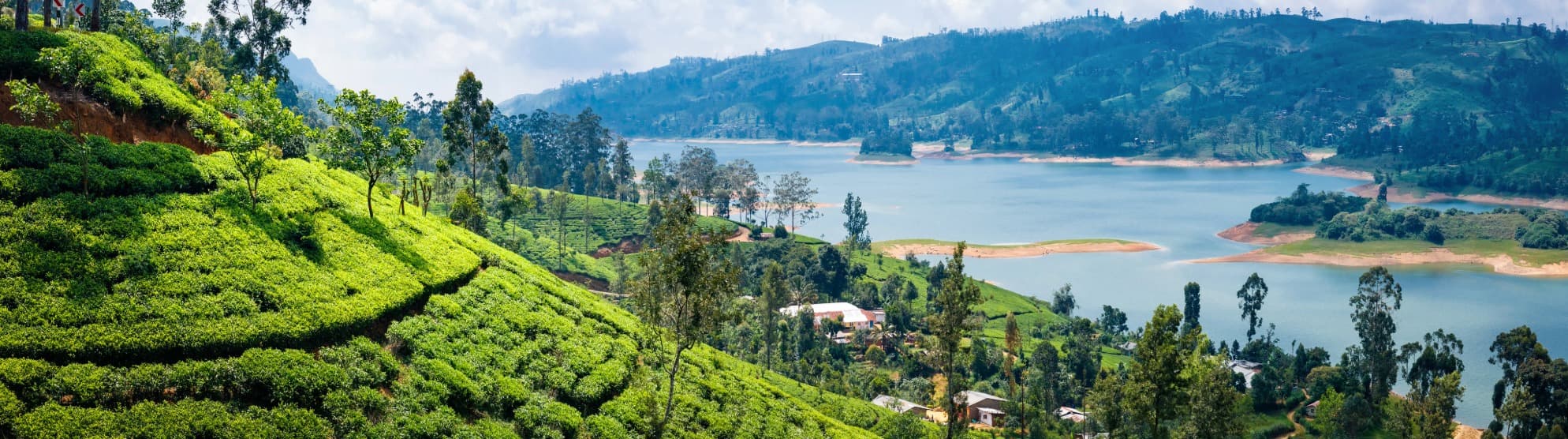
✓ Special feature: Beaches, highlands, tea plantations, and UNESCO cultural heritage within a relatively small area.
✓ Moving with pets: Good preparation and complete documentation are required.
Relocating made easy with DACHSER & KOLB. Use our moving cost calculator. Get a quote and consultation. Book a tour. Move.
Facts about China

Capital City´s
Sri Jayewardenepura Kotte (de jure), Colombo (de facto)

Population
21.9 million

Surface Area
25332,163 mi² or 65.610 km²
Continent
Asia

Official Language
Sinhala and Tamil

Currency
Sri Lanka Rupee (LKR)
What are the customs, visa, and entry requirements for Sri Lanka?
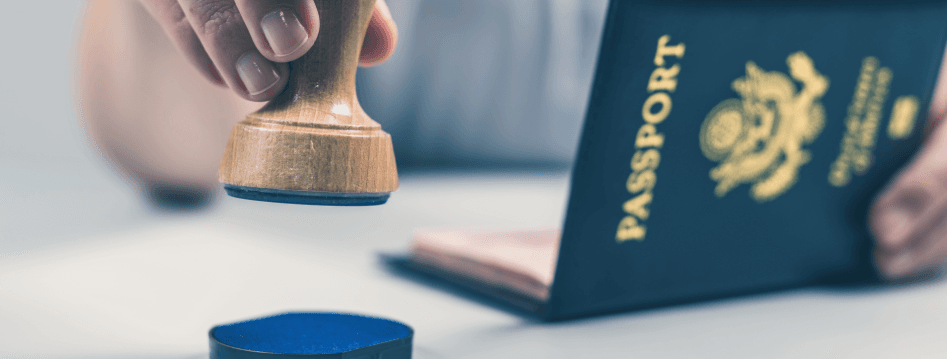
For German citizens, entry into Sri Lanka is not visa-free, but requires a visa. A tourist visa is available either as a 30-day or 180-day option. In practice, short stays are generally handled through the electronic ETA. For longer stays, however, this solution is not sufficient. In those cases, the appropriate long-term status must be arranged in advance through the foreign mission or the relevant visa category.
Documents required for entry:
- Passport: Yes
- Temporary passport: Yes
- National ID card: No
- Temporary national ID card: No
- Child passport: Yes
Tip for expats: Entry into Sri Lanka may seem simpler than it really is for a genuine emigration plan. First align your visa pathway, purpose of stay, documents, and moving date properly, then finalize your new start.
What are the economic conditions and standard of living like in Sri Lanka for immigrants?
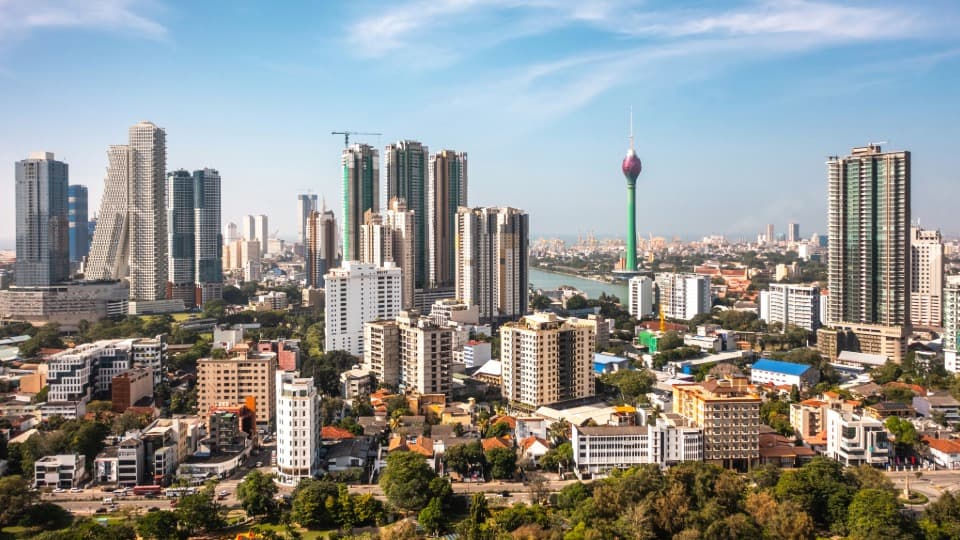
Sri Lanka is not an easy-win market economically, but it is once again far more attractive than it was during the acute crisis phase. The economy has returned to growth in recent years. The recovery is real, but according to current assessments it is still incomplete. That is exactly why Sri Lanka is better suited to people with a clear role, a solid budget, and realistic expectations regarding pace and processes.
Key facts at a glance:
- Economic recovery since 2024
- Strong growth after the crisis, with average GDP growth of 4% per year (2003–2025).
- Income distribution: Gini coefficient = 37.7 (0 = perfect equality; 100 = maximum inequality)
- Tourism and services are becoming more important again
- Structural risks and pressure for reform remain
Tip for expats: From an economic perspective, Sri Lanka is especially attractive when a clear business model meets real local demand. Anyone relying only on low costs or island romance can quickly underestimate the obstacles that may arise in everyday life.
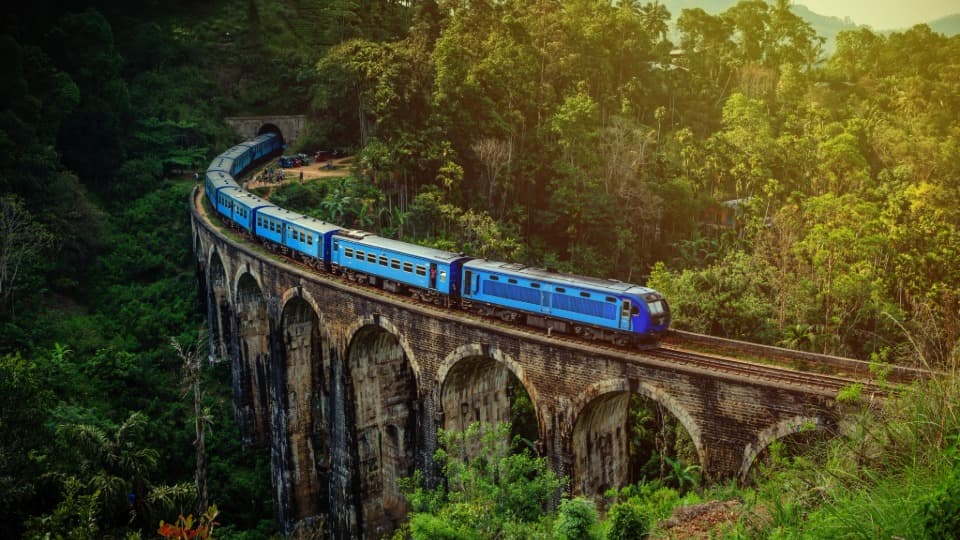
Safety in Sri Lanka: What do expats need to know?
Sri Lanka is much calmer today than it was during the acute crisis years. While serious violent crime is relatively rare, spontaneous protests are still possible. Break-ins, fraud, drugging incidents, and isolated cases of violent or sexual assault also occur. Women traveling or living alone, people staying in budget accommodations, and those moving through large crowds should be especially cautious.
What expats should know:
- Protests and political demonstrations can occur spontaneously
- Large crowds are best avoided
- Break-ins at hotels and guesthouses do happen
- Fraud involving high-value purchases is a relevant issue
- Do not leave drinks or food unattended
- Be especially cautious and alert in train stations, buses, and other busy public places
Tip for expats: In Sri Lanka, security is less a classic country-level issue and more an everyday and situational one. Anyone who takes location, accommodation standards, mobility, and basic precautions seriously can significantly reduce both friction and risk.
What is the healthcare system like in Sri Lanka?
Sri Lanka has a broad public healthcare system that provides the majority of medical care. At the same time, the private sector is growing and is especially relevant for people with a higher budget and for expats. For expats, that means: basic care is available, but for comfort, faster processes, and predictable private medical care, strong international health insurance remains a strategically smart choice.
At a glance:
- No mandatory vaccinations for direct entry from Germany
- Proof of yellow fever vaccination is only relevant when entering from yellow fever risk areas
- Hepatitis A is an important travel vaccination
- For long-term stays, depending on your profile, dengue, hepatitis B, typhoid, rabies, and Japanese encephalitis may also be relevant
- Dengue and chikungunya are an issue nationwide
- Mosquito protection is important in everyday life
Tip for expats: In Sri Lanka, healthcare is not a side issue. Anyone who gets insurance, access to clinics, mosquito protection, and vaccination status fully sorted out before the move will start out on much more stable footing.
Are you planning to move to Sri Lanka?
With structured preparation, you can avoid financial surprises. Our moving cost calculator provides clarity — it's simple, convenient, and takes just a few steps.
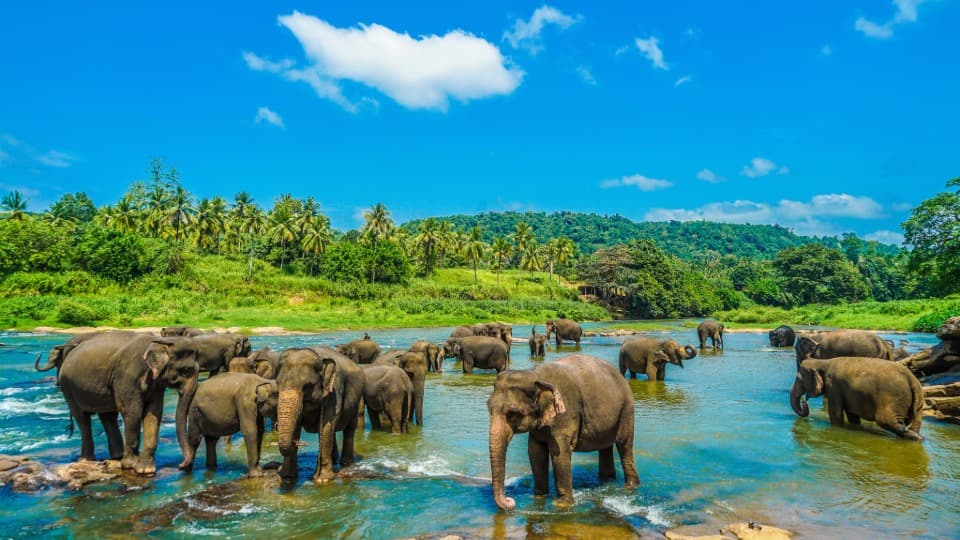
Weather, Temperatures, and Rainy Seasons - What is the climate like in Sri Lanka?
Sri Lanka has a tropical, hot, and humid monsoon climate. In everyday life, what matters most is that the rainy seasons vary by region: in the northeast, they typically run from December to March, while in the southwest they usually fall between June and October. At the same time, these patterns have become less clearly defined. Longer rainy periods, flooding, and weather-related disruptions can now occur practically year-round.
What the climate means for your daily life:
- Tropical and warm year-round
- High humidity in many parts of the country
- Northeast monsoon season usually from December to March
- Southwest monsoon season usually from June to October
- Heavy rainfall can trigger flooding
- Earthquake and tsunami risk is present
Tip for expats: In Sri Lanka, climate is not a minor factor. Anyone choosing where to live, housing standards, and everyday routines without considering the monsoon, humidity, and natural hazards is planning too narrowly.
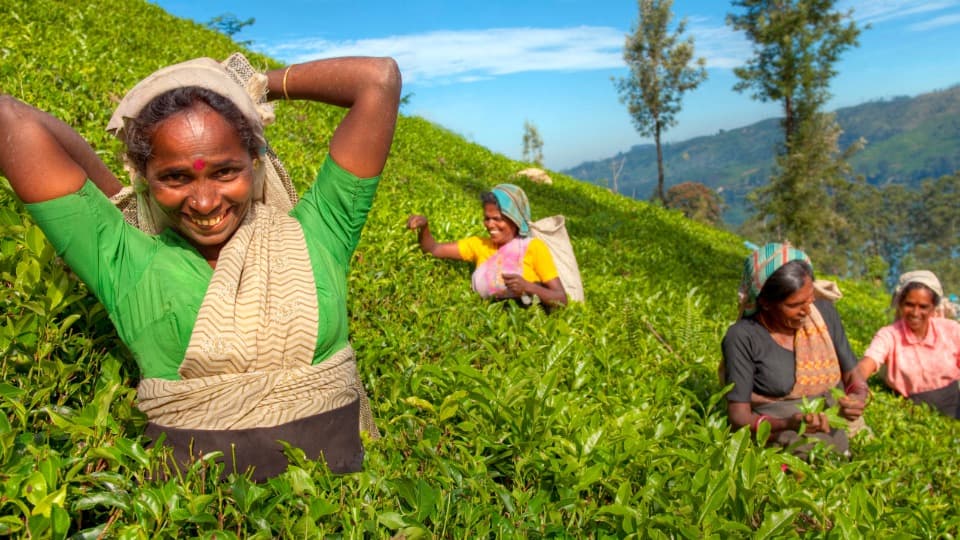
Diversity in Sri Lanka? – Language, culture, and everyday life
Sri Lanka is linguistically and culturally diverse. The official languages are Sinhala and Tamil. English serves as a lingua franca and makes many aspects of daily life easier, especially in urban areas, tourism, and the service sector. Culturally, the country is strongly shaped by religion, family, regional identities, and a daily life that is largely relationship-oriented.
What really helps in daily life:
- Sinhala and Tamil are the official languages
- English is an important bridge language
- Often very useful in cities and service sectors
- Family and social relationships carry great weight
- Religious sensitivity is important in daily life
- Without English or basic local knowledge, many things become unnecessarily difficult
Tip for expats: You can often get further in Sri Lanka with English than in many other countries in South Asia. However, daily life becomes much easier if you respect local cultural norms and don’t rely solely on tourist routines.
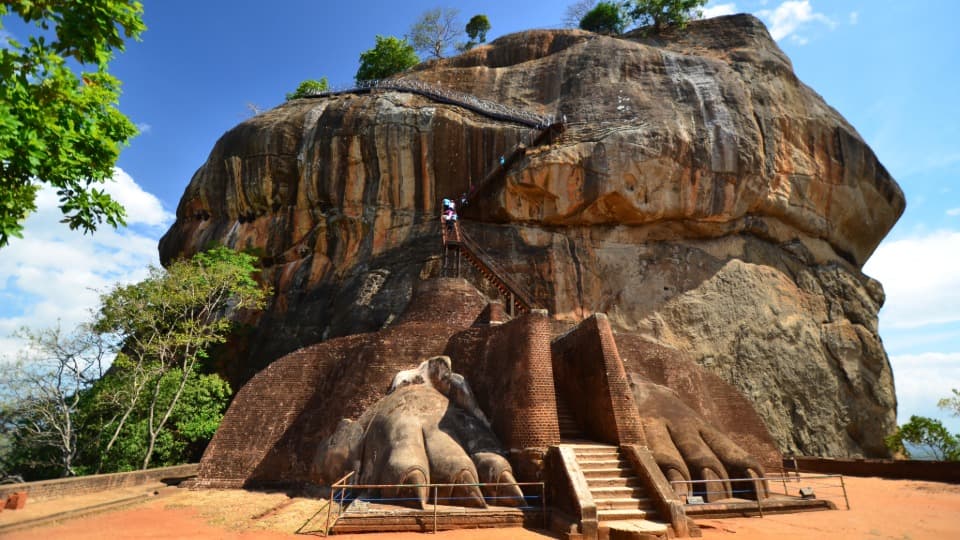
What makes Sri Lanka special?
Sri Lanka stands out for its unusually dense mix of nature, culture, and recognizability. The country is globally known for Ceylon tea, tropical coastlines, and historic sites. Sigiriya is especially iconic. The famous rock fortress is a UNESCO World Heritage Site and exemplifies the country’s cultural appeal. The tea-growing highlands also strongly shape both identity and landscape.
In detail:
- Sigiriya as world-renowned cultural heritage
- Ceylon tea as a strong part of the country’s identity
- Beaches, highlands, and tea plantations within short distances
- High scenic diversity within a small area
- A strong connection between nature and culture
- An island identity with strong recognizability
Tip for expats: Sri Lanka is especially appealing to people looking for nature, culture, and a distinct pace of life. That very density of impressions is one of the country’s biggest strengths.

What should you bear in mind when moving to Sri Lanka with animals?
A move with pets is a formal process and should be started early. Before entry, an Import Permit from the Department of Animal Production and Health is generally required. In addition to transportation, veterinary documentation, deadlines, vaccinations, and animal welfare all need to be coordinated properly. Without a permit or complete documentation, the animal may have to be returned at the owner’s expense.
What you should keep in mind:
- Check your pet’s vaccination status early; proof of rabies vaccination is required
- Prepare all veterinary documents completely in advance, including the health certificate
- Train your pet to use the travel crate before the flight
- Apply for the import permit before entry, and coordinate entry requirements and airline regulations
- Minimize stress for your pet on moving day
- Actively support your pet’s adjustment to the new home
- Depending on the documentation, additional quarantine proof may also be required
- Without authorization, the animal may have to be transported back
Tip for expats: When relocating with pets to Sri Lanka, speed is not the key success factor — completeness is. Anyone who handles the permit, vaccination status, and health certificate too late or incompletely risks real problems upon entry.

For whom is Sri Lanka a suitable destination for emigration?
Sri Lanka is especially well suited to people looking for a tropical environment, island life, a strong connection to nature, and an overall slower pace of life. The country is a good fit for flexible expats, location-independent income models, tourism-related profiles, and people with realistic expectations regarding infrastructure, climate, and processes.
Checklist before emigrating to Sri Lanka:
✓ Check entry requirements and residence regulations for Sri Lanka
✓ Secure health insurance and medical care coverage in Sri Lanka
✓ Choose the right place to live in Sri Lanka and arrange your initial accommodation
✓ Plan your emigration budget for Sri Lanka, including a financial buffer
✓ Prepare your move to Sri Lanka carefully, including household goods and documents
✓ Use English confidently and learn basic Sinhala or Tamil
Conclusion: Emigrating to Sri Lanka can be highly attractive, especially because of its natural setting, cultural richness, and distinctive island identity. At the same time, the country requires a realistic view of visas, climate, healthcare, and everyday organization.
FAQs for emigrating to Sri Lanka
What do I need to consider when emigrating to Sri Lanka?+
Anyone planning to emigrate to Sri Lanka should clarify visa requirements, residence status, health insurance, place of residence, security situation, and budget early on. Because everyday life, infrastructure, and climate vary significantly by region, solid preparation is essential.
What are the visa and entry requirements for Sri Lanka?+
For German citizens, a visa is required to enter Sri Lanka. For short stays, applying via the official ETA system is recommended. For longer stays, however, this solution is not sufficient and an appropriate long-term residence arrangement is required.
Is Sri Lanka a safe country to emigrate to?+
Sri Lanka is much calmer today than during the crisis years, but should still be assessed realistically in terms of safety. Protests, fraud, theft, and isolated assaults do occur, which makes it important to choose your place of residence, accommodation standard, and daily routines carefully.
What is the healthcare system like in Sri Lanka?+
Sri Lanka has a broad public healthcare system, complemented by a private sector that is particularly relevant for expats, especially in Colombo. A good health insurance plan is still advisable, as it enables faster access and better private care options.
What language is spoken in Sri Lanka?+
The official languages in Sri Lanka are Sinhala and Tamil. English serves as an important bridge language and makes everyday life, services, and integration in many urban areas significantly easier.
What is the climate like in Sri Lanka?+
Sri Lanka has a tropical climate with high humidity and regionally varying monsoon seasons. Heavy rainfall, flooding, and weather-related disruptions can affect daily life more strongly than many initially expect.
Who is Sri Lanka a suitable emigration destination for?+
Sri Lanka is especially suited to people looking for a tropical environment, island life, a strong connection to nature, and a slower pace of life. The country is particularly attractive for flexible expats, location-independent income models, and people with realistic expectations regarding climate, infrastructure, and processes.
Are you interested in moving to Sri Lanka or another destination country?
Then do not hesitate and contact us today.

Related topics

Relocation Service for Individuals
With our relocation service for private individuals, DACHSER & KOLB ensures a relaxed new start abroad and accompanies you throughout your private move from start to finish – personally, reliably, and worry-free.

Relocation Service for Expats
Support for international professionals during onboarding at the new destination. We assist your expats with home search, administrative procedures, and visa processes for a fully secure and smooth “soft landing”.
International Move
Have you been bitten by the travel bug and would like to emigrate? Then you have come to the right place and your belongings are in the best of hands. For many years there has been nothing we would rather do than organize international removals across continents. Whether by ship, by plane or over land.