
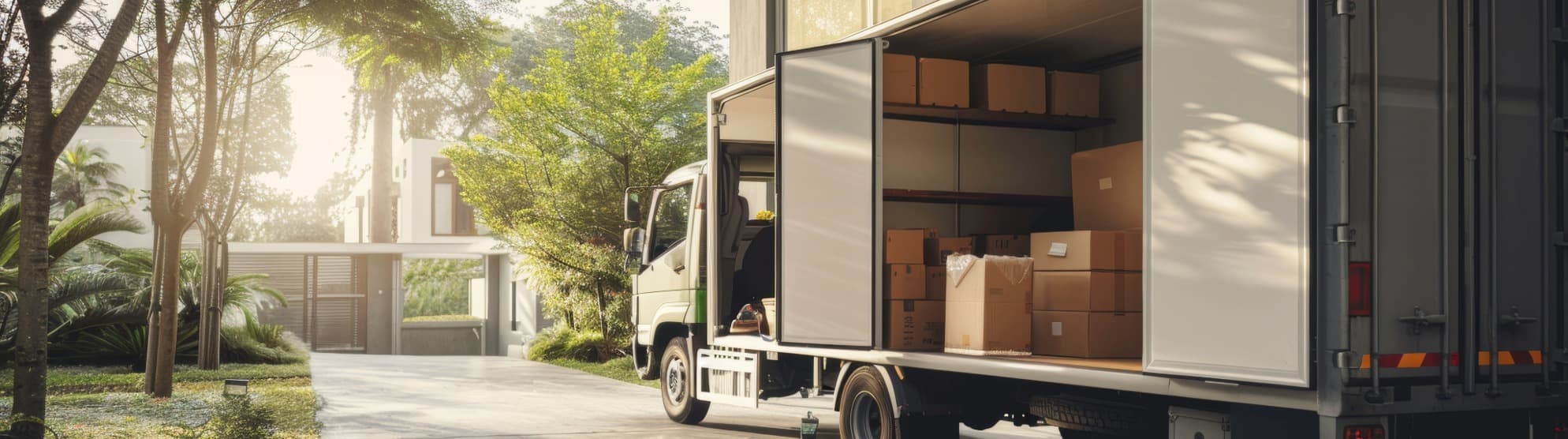
Getting the carrying distance under control: How to plan your move safely and cost-effectively
Why the distance between your front door and the truck determines your moving price—and how you can avoid unpleasant surprises with DACHSER & KOLB.
Price Calculator
Don't know your moving volume? In the next step, simply describe your move in your own words — our AI estimates the volume for you.
- Route
- Size
- Contact
Where is your move going?
Enter the loading and unloading address — we calculate the route for your move.
Don't know your moving volume? In the next step, simply describe your move in your own words — our AI estimates the volume for you.
- Truck
- Container
- Plane
Non-binding and free — a survey only comes if you want one.
Your advantages at a glance
✓ Price transparency: You understand the biggest cost drivers—before you place your order.
✓ Safety: Less risk of damage to furniture, walls, stairwells, and elevators.
✓ Quality & speed: The right teams and tools instead of improvisation on moving day.
✓ Predictability: Realistic time slots for key handover, no-parking zones, and tradespeople.
✓ Less stress: Clear preparation, clear processes, clear responsibilities.
✓ Better quote: Precise data = precise calculation instead of a buffer surcharge.
Why the carrying distance directly affects your moving budget
What is the carrying distance?
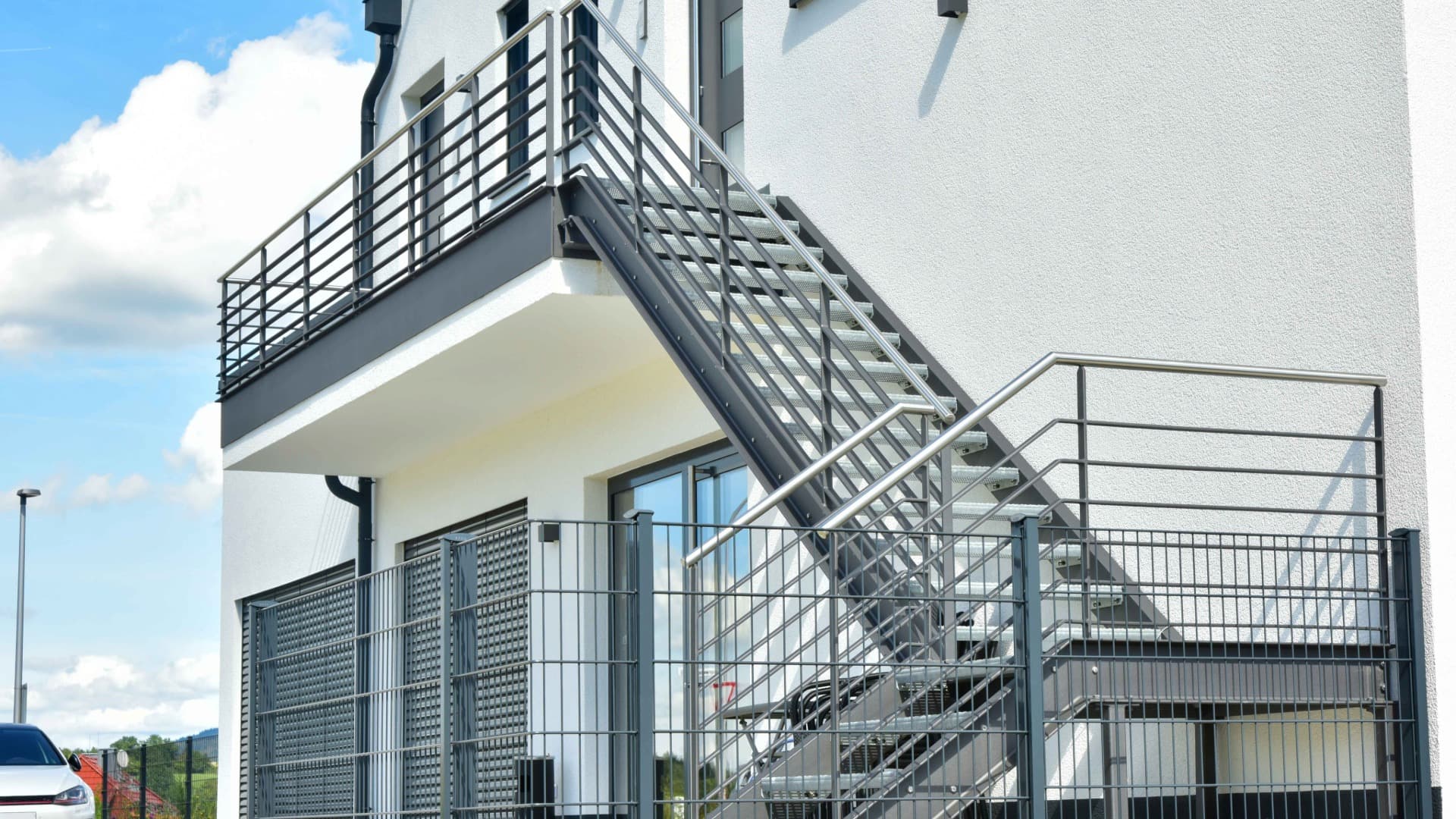
The carrying distance is the distance from the truck parking spot to the final parking spot for your belongings (and vice versa when loading). Typical segments: sidewalk, courtyard, entrance area, stairwell, elevator, long hallways.
The hard fact: every meter is working time
If the carrying distance is longer, narrower, or steeper than expected, the effort required increases immediately:
- more carrying time (and thus more personnel or hours required),
- higher risk of damage,
- greater need for auxiliary equipment (e.g., external elevator, plug-in lift, stair climber),
- greater complexity in terms of no-parking zones and loading organization.
In short: Underestimating the distance = the move becomes more expensive or takes longer.
How to get the carrying distance under control (practical, fast, measurable)
- 1.
Recording the carrying distance in 5 minutes
Measure or estimate as accurately as possible:
- Meters from the parking spot to the front door (including courtyard/access route)
- Floors, steps, landings, tight corners
- Is there an elevator? Can it be used on moving day? Door width/cabin size
- Door and hallway widths (narrow spaces are time-consuming)
- Flooring & protection requirements: sensitive floors → painter's fleece/covering
- Parking/stopping situation: realistic loading zone or daily struggle for parking spaces?
The more accurate this information is, the more precisely duration, personnel, equipment, and costs can be calculated.
Cost drivers that almost always work

Cost driver A: No-parking zone instead of gambling
A well-organized no-parking zone often drastically shortens the distance that materials have to be carried. The result: fewer meters to walk, less time, and less risk.

Cost driver B: External lift/plug-in lift if stairs are a challenge
When staircases are narrow, floors are high, or heavy items (e.g., washing machine, large sofa) need to be moved, an external lift is often a more cost-effective option than “more hands + more time.”
Cost driver C: Shuttle service for difficult access
If the truck cannot get close enough (old town, courtyard only accessible via passageways, construction site), a shuttle service prevents downtime and chaos.

Cost driver D: Packaging & edge protection = less damage
Sturdy packaging materials and a clear protection strategy will ultimately save you money:
- Choose the right moving boxes (book boxes, clothing boxes, wine boxes)
- Bubble wrap, stretch film, moving blankets, edge protectors
- Mattress covers for hygiene/transport protection
- 2.
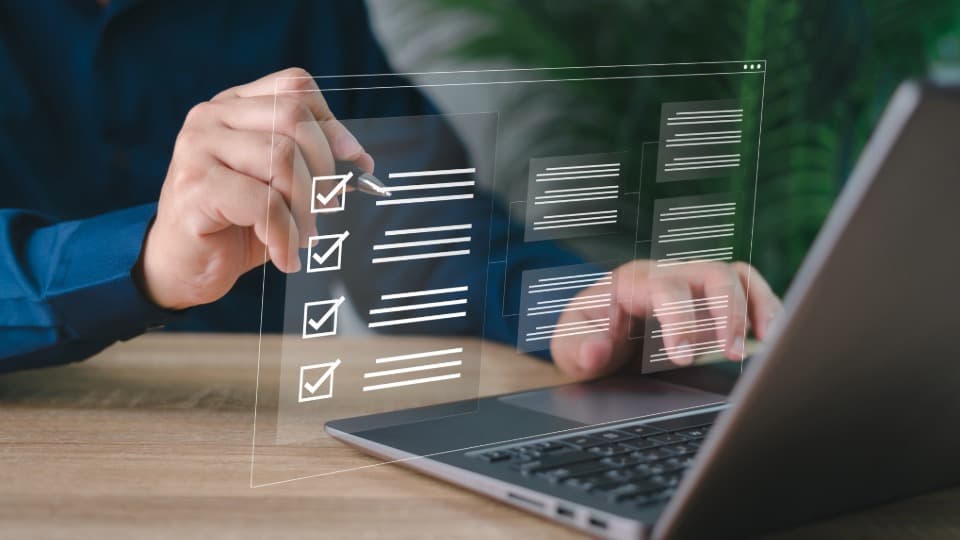
Short checklist: "Defuse" the carrying distance in advance
✓ Clear pathways (carpet edges, strollers, bicycles, shoe racks)
✓ Reserve/announce elevator use (property management/neighbors)
✓ Provide doorstops, clarify locking systems
✓ Mark sensitive edges (corners, railings, freshly painted walls)
✓ Set realistic times for key handover (allow extra time based on risk, not preference)
If you are moving internationally
The carrying distance (origin/destination) also remains relevant for international moves. In addition, key figures such as volume weight and, in air freight, e.g., air chargeable weight (ACW), as well as documents such as air waybills (AWB), are also important, depending on the transport chain and airline handling.
The 6 most important advantages from your point of view

Predictable pricing instead of gut feeling
Cleanly recorded carrying distance = precise offer

Less damage
Protective equipment + proper handling measurably reduces the risk.

Faster moving day
Shorter distances + suitable tools = less downtime.
Greater adherence to deadlines
Realistic scheduling protects your handovers.
Less stress & precise coordination
Clear processes instead of constant questions on moving day.

More quality for the same budget
Money flows into execution, not into unplanned additional time.
What DACHSER & KOLB does for you so that removal costs do not remain a cost driver
When the removal route is challenging, you don't need a “it'll be fine” approach, but rather a systematic setup. DACHSER & KOLB typically takes care of:
- Removal inspection (on site or digitally) for a reliable cost estimate
- Planning of personnel, time slots, and equipment (e.g., external elevator/plug-in lift/stair climber)
- Organization of the no-parking zone and loading process
- Delivery of packing materials (if you want to pack yourself)
- Professional packing, including special packaging (if required)
- Disassembly/assembly (e.g., kitchen assembly) and furniture protection
- Load securing for safe transport

What we need from you to ensure the price and process are right
To enable us to calculate accurately and avoid having to improvise on moving day, we require the following from you:
- Photos/video of the access route (stairwell, elevator, hallways, narrow passages)
- Details of the carrying distance (meters, floors, elevator yes/no)
- Information about the parking situation (parking options, access, restrictions)
- List of bulky/heavy items (e.g., piano, large cabinets)
- Time-sensitive conditions (handover, house rules, quiet hours)
FAQ: Frequently asked questions about the carrying distance and planning
What does “carrying distance” mean when moving?+
The carrying distance is the distance from the truck parking space to the final location of your belongings—including stairwells, elevators, and hallways.
How does the carrying distance affect the moving costs?+
A longer or more difficult carrying distance increase carrying time, personnel requirements, and risk. This directly affects price and duration.
How many meters does the carrying distance have to be to be considered “long”?+
At distances more than 50 meters, the carrying distance is subject to a surcharge, as it significantly increases loading and unloading time.
How do I measure the carrying distance correctly?+
Measure the distance from the parking spot to the door and take into account segments such as courtyards, stairs, elevators, long hallways, and narrow passages (door/hallway widths).
What can I do to shorten the carrying distance?+
Secure the loading zone (no-parking zone), clear paths, organize a lift, identify narrow paths, and, if necessary, plan a shuttle service or external lift.
How does the moving cost calculator help me with the carrying distance?+
You get a price range early on and see how floors, access, and service levels affect the price—ideal for budgeting and decision-making.
Contact us for a free consultation!
When it comes to the carrying distance, DACHSER & KOLB ensures precise, safe, and transparent execution from the truck parking area to the final parking space, so that your move runs smoothly and on schedule. Contact us for a free consultation.
We are here for you
We couldn't answer your questions?
Then don't hesitate to contact us.

Why DACHSER & KOLB is the right choice

Individual consultation
Detailed needs analysis for customized relocation solutions.

Relocation planning from A to Z
Complete relocation planning: from packing to unloading, all from a single source.

Reliable network
Global network for safe, seamless transport.
Discover our moving guides—your guide to a smooth move!
You will find valuable tips and answers to your questions in our extensive collection of moving guides. This will ensure that you are well prepared! If anything remains unclear, we are always happy to assist you.

Household Move
A private move always represents a new beginning. To ensure that you can look forward to the time in your new home in a relaxed manner right from the start, we will gladly take care of everything around your household move and, if necessary, also temporarily store your furniture in our warehouses. Our service is professional, friendly, competent and based on many years of experience.
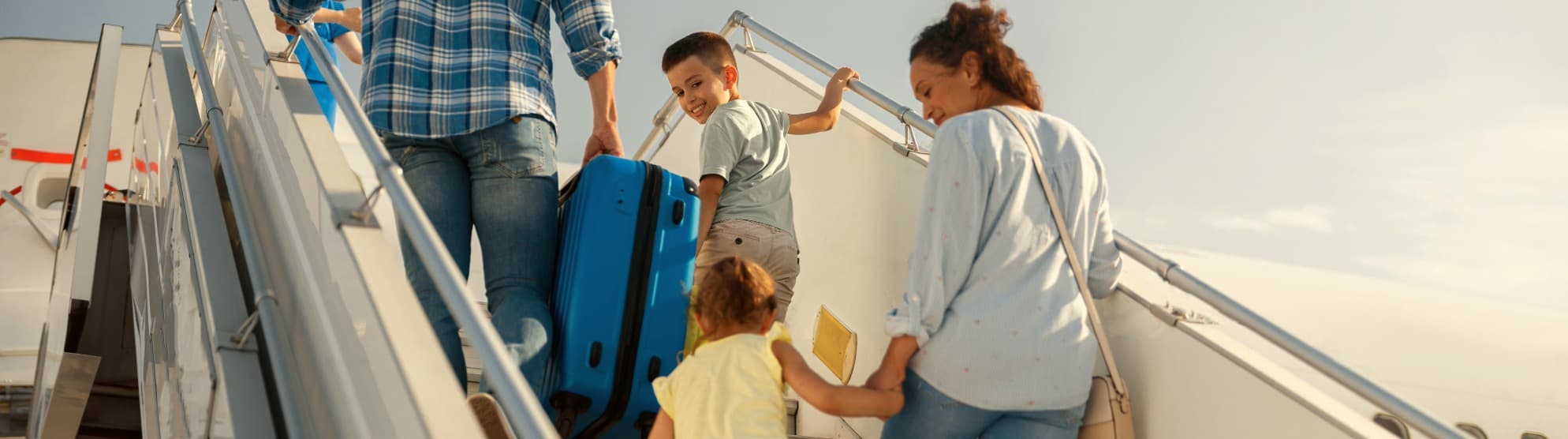
International Move
Have you been bitten by the travel bug and would like to emigrate? Then you have come to the right place and your belongings are in the best of hands. For many years there has been nothing we would rather do than organize international removals across continents. Whether by ship, by plane or over land.
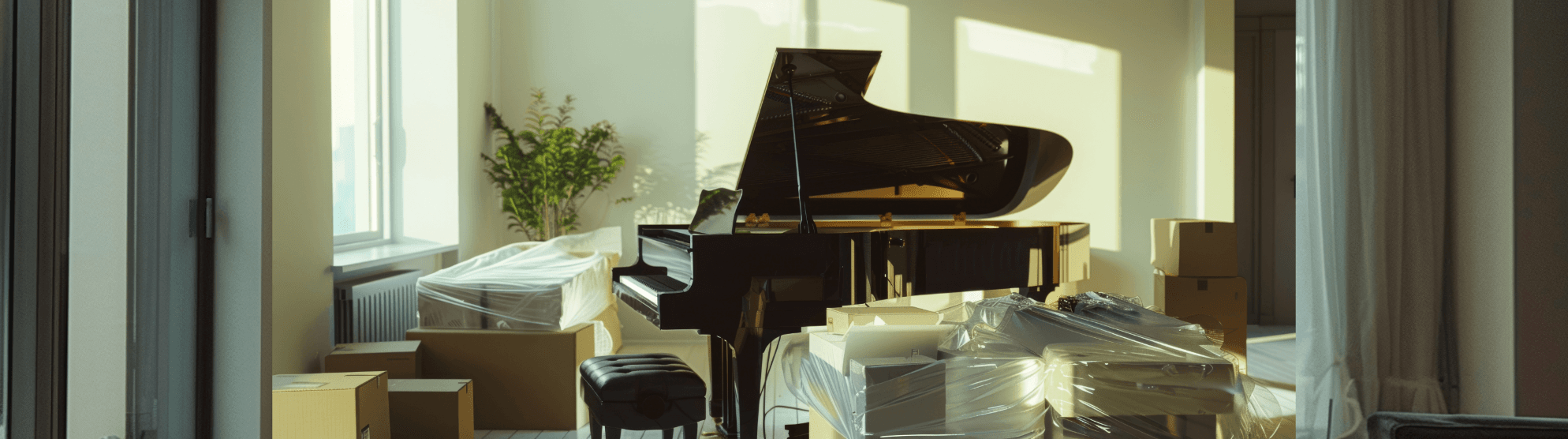
Piano transport & grand piano relocation
A piano or grand piano is not only a valuable instrument, but also an emotional companion that often lasts for generations. The thought of damaging such a delicate and valuable piece during a move worries many people. This is exactly where DACHSER & KOLB’s professional piano transport service comes in. In this blog article, you will learn how to protect your instrument properly and what advantages come with hiring an experienced moving company.